


Hiking Mount Whitney: What to Know Before You Go
At 14,505 feet, Mount Whitney is the highest peak in the contiguous United States. Its Mount Whitney Trail draws hikers with dramatic Sierra Nevada scenery and the challenge of reaching the summit. The hike is rewarding, but its length, elevation gain, and thin air make careful preparation essential.
The Mount Whitney Trail at a Glance
The classic route starts at Whitney Portal, west of Lone Pine, California. The round trip is about 22 miles, with roughly 6,000 to 6,700 feet of elevation gain, depending on how the route is measured. Most hikers take the same trail up and back, making this a long and demanding outing even for people accustomed to mountain hiking.
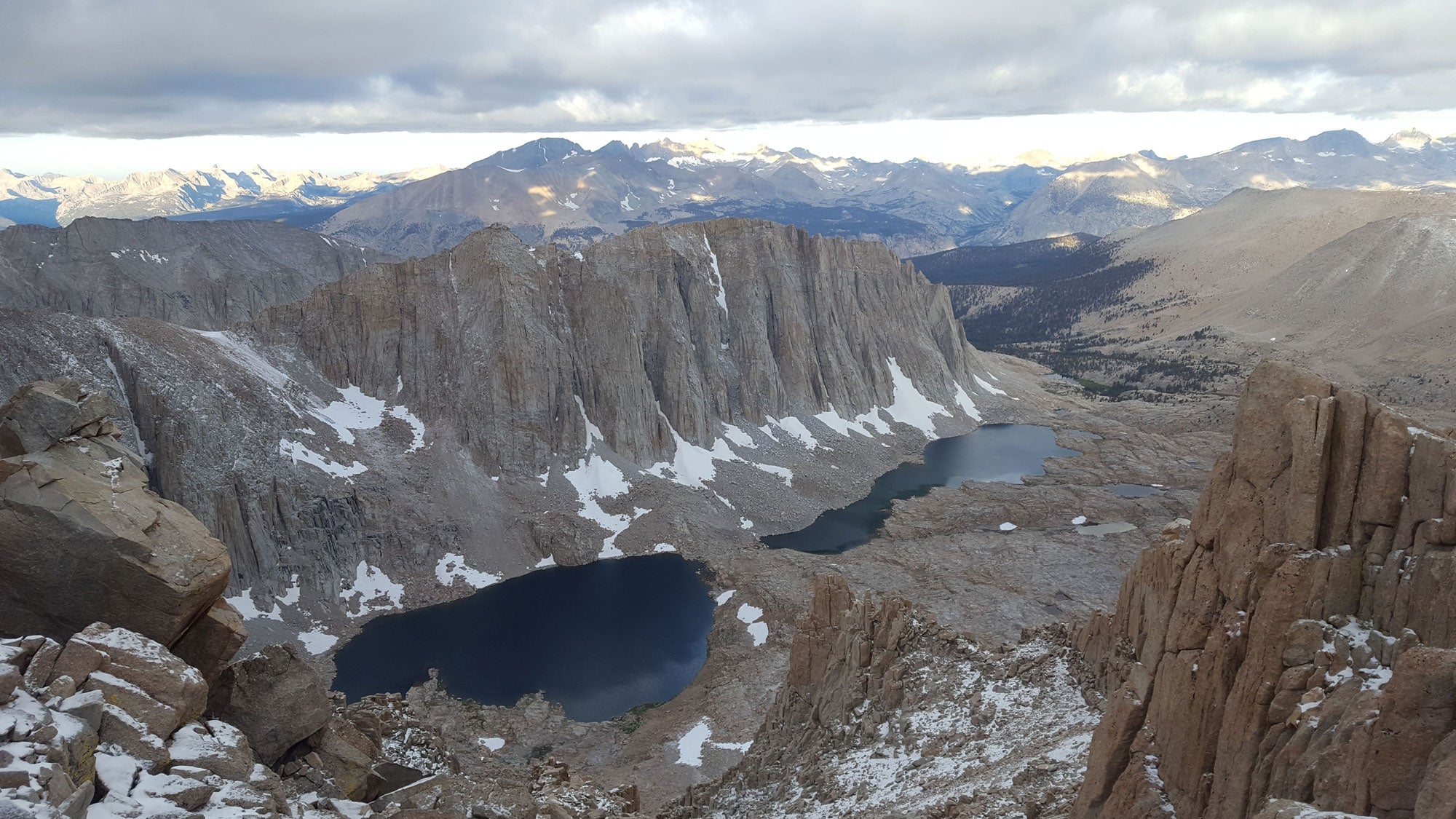
The trail climbs through forest and alpine terrain, passing streams, lakes, and the high-elevation Trail Camp. Above Trail Camp, hikers tackle a long series of switchbacks before reaching Trail Crest. From there, the route follows a high ridge toward the summit. Views expand across the Sierra, but the exposed terrain offers little shelter from wind or storms.
Permits and Planning
A wilderness permit is required to hike the Mount Whitney Trail, whether you plan to make the trip in one day or camp overnight. Access is limited, and permits for the main hiking season are highly sought after. Check the Inyo National Forest and Recreation.gov websites for current rules, application dates, fees, and availability. Regulations can change, so confirm the details before making travel plans.
Most hikers visit during the warmer months, but trail conditions vary from year to year. Snow and ice can remain at high elevations, and early-season travel may require mountaineering experience and appropriate equipment. Even in summer, cold temperatures, strong winds, thunderstorms, and sudden weather changes are possible.
Preparing for the Elevation
Altitude is one of the hike’s biggest challenges. At the summit, the air contains less available oxygen than at sea level, which can cause headache, nausea, dizziness, fatigue, or shortness of breath. Spend time at a moderate elevation before your hike if possible, move at a steady pace, and drink regularly. If symptoms worsen, descend; pushing higher can be dangerous.
Train beforehand with long hikes, elevation gain, and a pack similar to the one you expect to carry. A day hike can take many hours, and a slow, early start leaves more time to turn around before afternoon weather develops. An overnight trip requires additional planning, gear, and food, but does not eliminate the effects of altitude or the physical demands of the route.
What to Bring
Carry more than the bare minimum. Conditions can change quickly, and help may be far away. Essential items include:
- Plenty of water and a way to treat water collected along the route
- High-energy food and extra snacks
- Warm layers, rain protection, and sun protection
- A headlamp with fresh batteries
- A first-aid kit, navigation tools, and a fully charged phone
- Sturdy footwear suited to the current trail conditions
- Any seasonal equipment needed for snow or ice, along with the skills to use it
Do not rely on cell service, and tell someone your route and expected return time. Check the forecast and trail reports shortly before leaving. Set a turnaround time and be willing to use it, even if the summit is close.
Respect the Mountain
Mount Whitney is part of a protected wilderness area. Follow permit instructions, stay on established trails, properly store food, and pack out all trash, including food scraps. Use toilets where provided and follow current human-waste regulations. Leave natural and historic features undisturbed so others can enjoy the mountain, too.
A Challenging Sierra Nevada Classic
The Mount Whitney hike offers a remarkable journey from the forests above Whitney Portal to a high, rugged summit. Reaching the top is not guaranteed, and turning around is a sound decision whenever conditions or how you feel call for it. With a valid permit, realistic preparation, and respect for the mountain, hikers can take on this iconic trail more safely and enjoy the experience along the way.
6 Essential Tips for a Safe and Successful Mount Whitney Hike
- Secure the required permit before your hike.
- Start early to allow plenty of daylight.
- Acclimate to the elevation to reduce altitude-sickness risk.
- Check the forecast and pack warm, waterproof layers.
- Carry enough water and use a reliable treatment method.
- Turn back if weather or symptoms make the hike unsafe.
Secure the required permit before your hike.
Secure the required wilderness permit before hiking Mount Whitney. Permits are required for both day hikes and overnight trips, and demand is high during the main hiking season. Check the latest rules, application dates, fees, and availability through Recreation.gov and the Inyo National Forest, since requirements may change. Don’t start the hike without a valid permit.
Start early to allow plenty of daylight.
Start your Mount Whitney hike early to give yourself plenty of daylight for the long climb and descent. An early departure also builds in extra time for rest breaks, changing weather, and slower-than-expected trail conditions. Bring a reliable headlamp in case you’re out after dark, and set a turnaround time so you can descend safely even if you don’t reach the summit.
Acclimate to the elevation to reduce altitude-sickness risk.
Spend a day or two at a higher elevation before starting the Mount Whitney hike to give your body time to adjust to the thinner air. Increase your elevation gradually, stay hydrated, and keep your pace easy as you acclimate. Altitude sickness can affect anyone, regardless of fitness, so watch for symptoms such as headache, nausea, dizziness, or unusual fatigue. If symptoms worsen, stop ascending and descend to a lower elevation.
Check the forecast and pack warm, waterproof layers.
Weather on Mount Whitney can change quickly, even during summer, so check the latest forecast before your hike and be prepared for colder, wetter conditions than expected. Pack warm layers and waterproof outerwear to help protect against wind, rain, and sudden temperature drops, especially above tree line where shelter is limited.
Carry enough water and use a reliable treatment method.
Carry enough water for the long, strenuous hike, and don’t assume streams along the trail are safe to drink from untreated. Bring a reliable treatment method, such as a filter or purification tablets, and know how to use it before you set out. Plan your water supply around the weather, your pace, and available refill points, while remembering that water sources may be seasonal or unreliable.
Turn back if weather or symptoms make the hike unsafe.
On the Mount Whitney hike, reaching the summit is never more important than getting down safely. Turn back if storms, lightning, high winds, icy trail conditions, or poor visibility make continuing dangerous. Do the same if you develop worsening altitude symptoms such as a severe headache, nausea, dizziness, confusion, or unusual weakness. Set a turnaround time before you start, and don’t hesitate to descend early—conditions can change quickly at high elevation, and descending is the safest response when the hike no longer feels manageable.


