

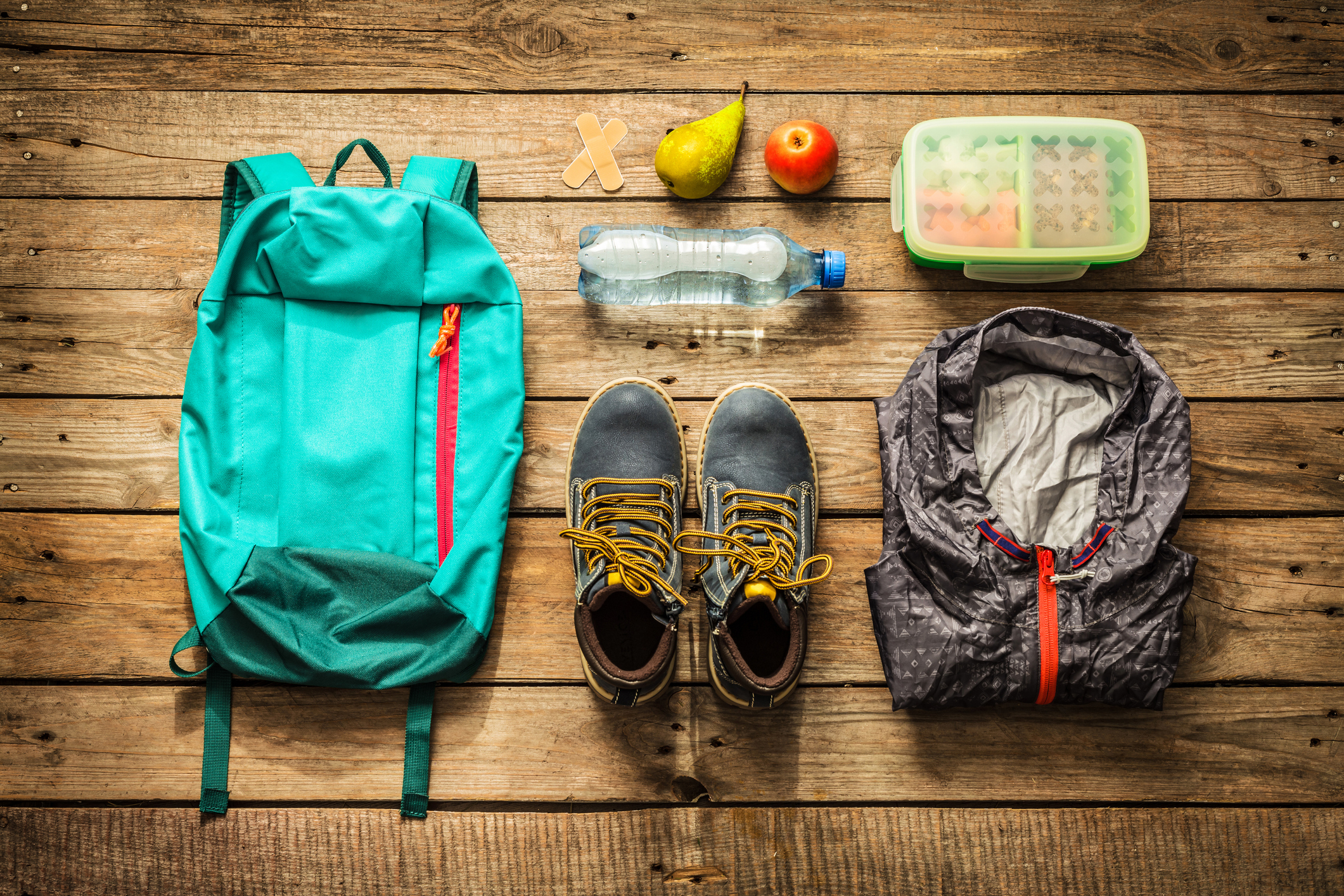

Hiking Essentials: What to Bring on the Trail
A well-planned hike is safer and more enjoyable when you have the right gear. What you need depends on the length and difficulty of the route, the weather, and how far you’ll be from help. Even for a short outing, pack for unexpected delays or changing conditions.
The Hiking Essentials
Navigation
Bring a map of the area and a compass, and know how to use them. A phone with a downloaded map can be useful, but don’t rely on it alone: batteries can run out and service may be limited. Check the route before you leave and keep track of trail markers and junctions.
Water and a Way to Treat It
Carry enough water for the hike, taking the distance, weather, terrain, and your personal needs into account. For longer routes, consider bringing a water filter or another treatment method in case you need to refill. Never assume that water from a stream or lake is safe to drink untreated.
Food and Snacks
Pack more food than you expect to need in case the hike takes longer than planned. Choose convenient, energy-rich options such as trail mix, fruit, granola bars, or sandwiches. For longer hikes, bring a meal and a little extra food for emergencies.
Appropriate Clothing
Dress for the forecast and the possibility of changing weather. Layers are often more practical than one heavy garment: a moisture-wicking base layer, a warm layer, and a rain- and wind-resistant outer layer can help you adjust as conditions change. Avoid cotton in cold or wet weather because it stays damp and can make you lose heat.
Sturdy Footwear
Choose shoes or boots that suit the trail and fit comfortably. A short, smooth path may call for different footwear than a rocky or muddy route. Break in new footwear before a long hike, and consider moisture-wicking socks to help reduce blisters. Bring blister care supplies if you’re hiking for several hours or more.
First-Aid Supplies
A basic first-aid kit can help with minor injuries such as blisters, scrapes, and cuts. Include any personal medications you may need, and make sure you know how to use the supplies. For remote or challenging hikes, consider carrying a more complete kit and learning basic first aid.
Light
Pack a headlamp or flashlight, even if you expect to finish before dark. A headlamp keeps your hands free, and spare batteries or a charged backup can be helpful. Sunset, delays, or an unexpected change of plans can leave you hiking in low light.
Sun Protection
Bring sunscreen, sunglasses, and a hat. Sun exposure can be strong even on cool or cloudy days, particularly at higher elevations or on open trails. Reapply sunscreen as directed, especially after sweating.
Emergency Items
A whistle, a small repair kit, and an emergency blanket can be useful if something goes wrong. A fully charged phone is helpful, but hikers heading into areas with limited service may want to consider a satellite communicator. Tell someone your route and expected return time before you leave.
A Backpack and Waste Bags
Use a comfortable backpack with enough room for your essentials. Bring bags for wrappers, tissues, and other trash so you can carry everything back out. Keep gear organized and pack heavier items close to your back for better balance.
Plan for the Hike
Before setting out, check the weather, trail conditions, distance, elevation gain, and estimated travel time. Be realistic about your fitness and experience, and choose a route that matches the group’s abilities. Start early enough to finish with daylight to spare, and turn back if conditions become unsafe.
If hiking with others, agree on a pace and stay together or establish a clear plan for regrouping. Children and beginners may need more frequent breaks. For solo hikes, make sure someone knows where you’re going and when to expect you back.
Pack Responsibly
Bring only what you need, but don’t leave out essentials to save a little weight. Follow posted rules, stay on marked trails, respect wildlife, and leave natural objects where you find them. Carry out all trash, including food scraps, and be considerate of other trail users.
The best hiking kit is one that fits the route and prepares you for reasonable surprises. With a little planning and the right essentials, you can focus on the scenery, enjoy the journey, and return safely.
9 Essential Tips for a Safe and Enjoyable Hiking Adventure
- Wear sturdy, broken-in hiking boots.
- Carry enough water for the route.
- Pack high-energy snacks.
- Bring a map and compass.
- Check the weather before leaving.
- Dress in moisture-wicking layers.
- Pack a basic first-aid kit.
- Carry a charged phone and power bank.
- Tell someone your hiking plan.
Wear sturdy, broken-in hiking boots.
Wear sturdy hiking boots that fit well and provide good traction for the terrain. Break them in on shorter walks before taking them on a long hike to reduce the risk of blisters and sore feet. Pair them with moisture-wicking socks, and make sure there’s enough room to wiggle your toes, especially on downhill sections.
Carry enough water for the route.
Carry enough water for the entire route, considering the hike’s distance, difficulty, weather, and your personal needs. Hot conditions and steep climbs can increase how much you need, so plan ahead and bring extra for unexpected delays. On longer hikes, a filter or other water-treatment method can help you refill safely, but don’t drink from natural sources without treating the water first.
Pack high-energy snacks.
Pack high-energy snacks to keep your energy up on the trail. Choose lightweight, easy-to-carry options such as trail mix, nuts, dried fruit, or energy bars, and bring a little more than you expect to need in case your hike takes longer than planned. Keep snacks accessible so you can refuel during breaks.
Bring a map and compass.
Bring a map and compass on every hike, even if you plan to use a phone or GPS device. Cell service can be unreliable, and batteries can run out, while a paper map and compass provide a dependable backup. Before you set out, review the route and make sure you know how to use both tools to identify trail junctions and find your way if you get turned around.
Check the weather before leaving.
Check the weather before leaving, and plan for conditions to change during your hike. Look at the forecast for the trail area—not just your hometown—and consider temperature, rain, wind, and any weather alerts. Dress in layers and pack suitable rain or sun protection so you’re prepared if conditions shift.
Dress in moisture-wicking layers.
Dress in moisture-wicking layers to stay more comfortable as the weather and your activity level change. Start with a base layer that moves sweat away from your skin, add an insulating layer for warmth, and bring a lightweight outer layer to block wind or rain. Avoid cotton in cold or wet conditions, since it holds moisture and can leave you chilled.
Pack a basic first-aid kit.
Pack a basic first-aid kit to handle minor trail injuries such as blisters, scrapes, and cuts. Include bandages, antiseptic wipes, blister care, any personal medications, and other supplies suited to the hike. Check the kit before leaving, and make sure you know how to use its contents.
Carry a charged phone and power bank.
Carry a fully charged phone and a power bank so you can use maps, check weather updates, or contact someone in an emergency. Cell service may be unreliable on the trail, so download maps and important information before you leave, and keep your phone protected from water and cold.
Tell someone your hiking plan.
Before you hit the trail, tell a trusted person where you’re going, which route you plan to take, and when you expect to return. Include the names of trailheads or landmarks, and let them know who’s hiking with you. If your plans change, update them when possible. This simple step can help rescuers respond more quickly if you’re delayed or don’t return as expected.


