

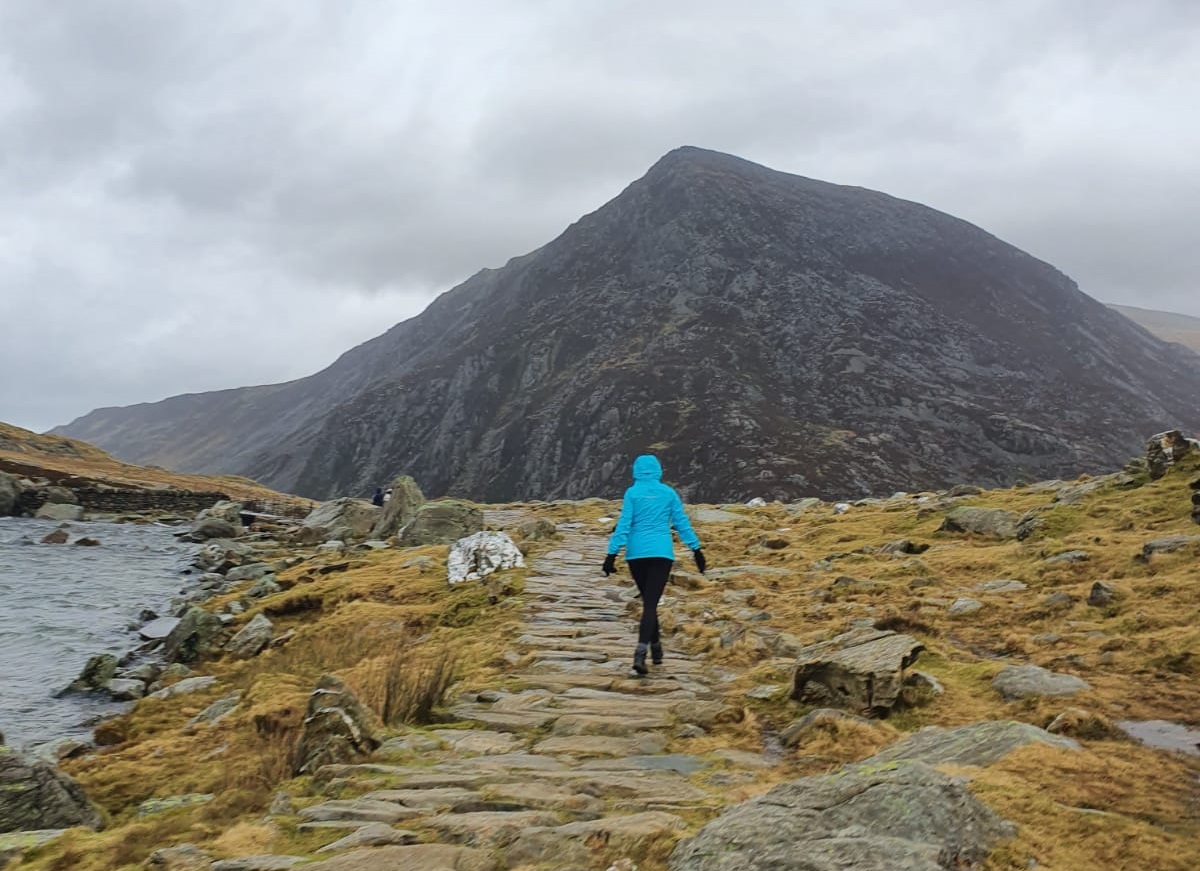

Hiking in the Rain: How to Stay Safe and Enjoy the Trail
Rain doesn’t have to ruin a hiking trip. With the right preparation, a wet-weather hike can be peaceful, refreshing, and full of beautiful sights—from misty forests to rushing streams. The key is to dress for the conditions, choose an appropriate route, and know when it’s safer to turn back.
Check the Forecast and Trail Conditions
Before heading out, check the forecast for the entire area and the full length of your hike. Pay attention to thunderstorms, strong winds, temperature drops, and flood or weather advisories—not just the chance of rain. Conditions can change quickly, especially in exposed areas or at higher elevations.
Look for trail updates, closures, and reports of flooding or washouts. Choose a familiar, well-marked route with options to shorten the hike. Avoid trails that cross streams prone to flooding, run through low-lying areas, or follow steep slopes where heavy rain could trigger landslides.
Wear Layers That Keep You Warm and Dry
A waterproof, breathable rain jacket helps protect you from the weather while allowing heat and perspiration to escape. Add insulating layers underneath as needed, and avoid cotton, which stays wet and can make you cold. Synthetic fabrics and wool are generally better choices in damp conditions.
Waterproof pants can be helpful during steady rain, though they may feel warm during strenuous climbs. Wear comfortable hiking socks and shoes with good traction. Waterproof footwear can help keep your feet dry, but no shoe stays dry in every situation. Gaiters may keep rain and trail debris from entering over the tops of your boots.
Bring a dry set of clothes and socks in a waterproof bag. Even if you don’t need them on the trail, they can make a big difference after the hike.
Protect Your Gear
Use a pack cover or line your backpack with a waterproof liner or dry bags. Protect your phone, map, first-aid supplies, and extra layers from moisture. Keep snacks and water easy to reach, and make sure any electronics are secured in waterproof cases.
Carry the usual essentials for your route, including navigation, a headlamp, food, water, and a first-aid kit. Rain and fog can reduce visibility, so don’t rely only on a phone or on being able to see distant landmarks.
Adjust Your Hiking Style
Wet trails require extra care. Slow down, take shorter steps, and watch for slippery roots, rocks, leaves, boardwalks, and bridges. Use trekking poles if you’re comfortable with them, and keep a steady pace rather than rushing over slick ground.
Stay on the established trail. Walking around puddles can widen the path and damage nearby plants, so step through the center of a muddy section when it’s safe to do so. If a stream crossing looks higher or faster than expected, don’t attempt it. Turn around or choose a safer route.
Know When to Turn Back
Rain itself may be manageable, but severe weather is not. If you hear thunder or see lightning, leave exposed ridges, open fields, and high points. Seek appropriate shelter if available; avoid standing beneath isolated trees or near water. If the weather is severe or shelter is unavailable, prioritize getting to a safer location and follow local emergency guidance.
Turn back if visibility becomes poor, the trail floods, stream levels rise, temperatures drop, or anyone in your group becomes unusually cold, confused, weak, or uncoordinated. These can be signs of a serious problem, including hypothermia. It’s always better to end a hike early than to push on in unsafe conditions.
Enjoy the Rain Responsibly
Rain can reveal a quieter side of the outdoors. Listen for birds, notice the scent of wet earth, and take time to appreciate the changing landscape. Keep a comfortable pace, take breaks in sheltered places, and be considerate of other hikers and trail users.
With thoughtful planning and flexible expectations, hiking in the rain can be a rewarding adventure. Choose a suitable trail, bring the right layers, protect your gear, and be ready to turn back if conditions change.
Hiking in the Rain: 6 FAQs About Safety, Gear, and Staying Dry
- Is it okay to go for a walk when it’s raining?
- How do you keep your feet dry hiking in the rain?
- What is the 20% rule for backpacking?
- Is it safe to hike in rain?
- What to do when it rains while hiking?
- What pants to wear hiking in rain?
Is it okay to go for a walk when it’s raining?
Yes, it’s generally okay to go for a walk in the rain if conditions are mild and you’re prepared. Wear a waterproof jacket and shoes with good traction, choose a familiar route, and watch for slippery surfaces, poor visibility, or rising water. Skip the walk during thunderstorms, strong winds, flooding, or other severe weather, and head indoors if conditions worsen.
How do you keep your feet dry hiking in the rain?
To keep your feet as dry as possible while hiking in the rain, wear waterproof hiking shoes or boots with well-fitting gaiters, and make sure your rain pants overlap the gaiters to keep water from running inside. Choose moisture-wicking wool or synthetic socks, and avoid stepping into deep puddles or streams. Waterproof footwear can still let water in during prolonged rain or stream crossings, so pack an extra pair of socks in a waterproof bag and change into them when needed.
What is the 20% rule for backpacking?
The 20% rule for backpacking is a general guideline that your fully loaded pack should weigh no more than about 20% of your body weight. It isn’t a strict safety standard—your fitness, experience, route, weather, and trip length all matter, and a lighter pack is often more comfortable. Weigh your pack with food, water, and rain gear included, and adjust the load if it feels difficult to carry safely.
Is it safe to hike in rain?
Hiking in the rain can be safe if the weather is mild, the trail is suitable, and you’re properly prepared. Check the forecast and trail conditions before leaving, wear moisture-wicking layers and a waterproof shell, and watch for slippery surfaces, rising streams, and reduced visibility. Avoid hiking during thunderstorms, heavy rain, flood warnings, or other severe conditions, and turn back if the trail becomes unsafe or anyone in your group gets cold or unwell.
What to do when it rains while hiking?
If it starts raining while you’re hiking, put on your waterproof layer, protect your phone and other essentials, and slow down on slippery trails. Check the weather and your route, and turn back if visibility drops, streams rise, or thunder or lightning develops. If you continue, stay on marked trails, avoid flooded areas and exposed ridges, and keep your group together. Once you’re somewhere safe, change out of wet clothes to help stay warm.
What pants to wear hiking in rain?
For hiking in the rain, wear quick-drying synthetic or wool pants, and avoid cotton, which stays wet and can make you cold. In steady or heavy rain, lightweight waterproof rain pants worn over your hiking pants can provide extra protection; choose a breathable pair with enough room to move comfortably. In warm weather or light rain, quick-drying pants may be more comfortable than waterproof ones, which can trap heat.


