

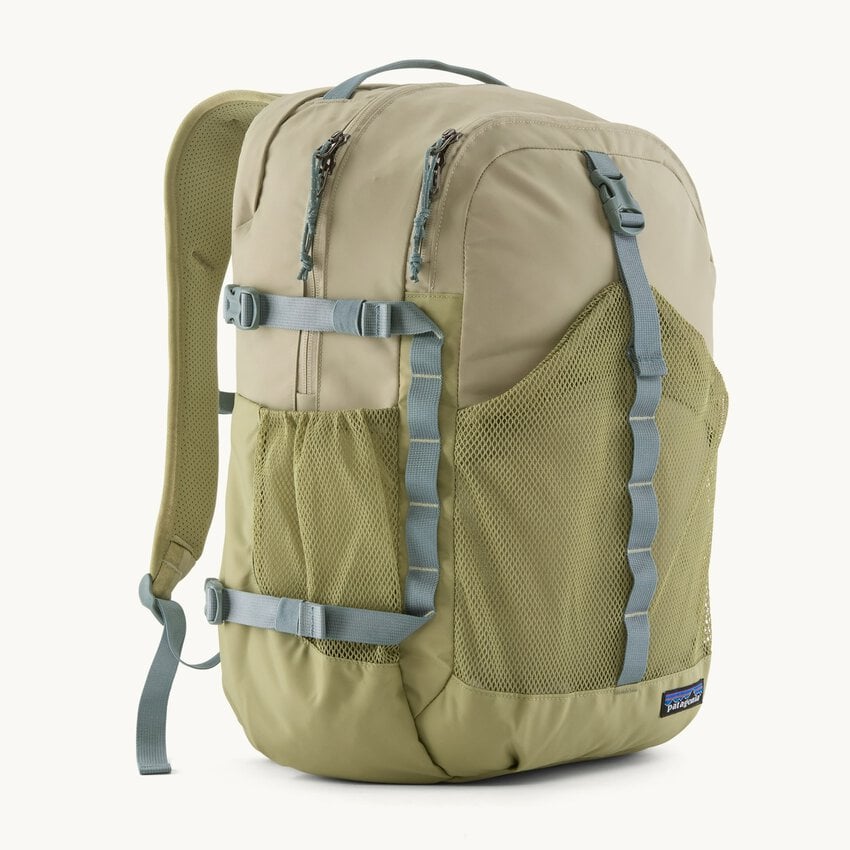

Choosing a Patagonia Hiking Backpack
A good hiking backpack helps carry the essentials comfortably, whether you’re heading out for a short nature walk or planning a full day on the trail. Patagonia offers packs designed for outdoor use, with different sizes and features to suit different activities. The best choice depends less on the logo and more on how you hike, what you carry, and how the pack fits your body.
Choose the Right Capacity
For short hikes, a compact daypack may have enough room for water, snacks, a light layer, and a small first-aid kit. Longer outings may call for more space for extra clothing, meals, navigation tools, and other essentials. Check the pack’s capacity and compare it with your usual gear before buying. A larger pack can be useful, but carrying unnecessary space may encourage you to bring more than you need.
Focus on Fit and Comfort
A comfortable fit can make a major difference on the trail. Look for adjustable shoulder straps and, when appropriate, a supportive hip belt that transfers some of the load from your shoulders. Try the backpack on with weight inside, adjust the straps, and check that it sits securely without rubbing or restricting movement. If possible, compare sizing guidance with your torso measurements.
Consider the Features You’ll Use
Think about how you organize and access your hiking essentials. Useful features may include water-bottle pockets, a hydration-reservoir sleeve, exterior storage for a rain layer, and compartments that keep small items easy to find. For hikes in changeable weather, consider the pack’s materials and whether you’ll need a separate rain cover or dry bags to protect your gear.
Also consider durability and care. Trail use can expose a backpack to abrasion, dirt, and wet conditions. Follow the care instructions for the specific model, and inspect straps, zippers, and seams regularly.
Match the Pack to Your Hike
A Patagonia hiking backpack may be a good fit if its capacity, layout, and carrying system match your needs. Before purchasing, compare current models and product details, since features and availability can vary. If you can, try the pack on with the kind of load you expect to carry. A well-fitting backpack that holds your essentials comfortably is more useful than one chosen for features you’re unlikely to use.
Pack Thoughtfully
Place heavier items close to your back and keep frequently used gear within easy reach. Carry enough water and food for your route, along with weather-appropriate clothing and basic safety supplies. A carefully selected and packed backpack can help make a hike more comfortable, organized, and enjoyable.
9 Tips for Choosing, Fitting, and Caring for Your Patagonia Hiking Backpack
- Choose a pack size that fits your hike length.
- Try it on with weight before buying.
- Adjust the hip belt to carry most of the load.
- Tighten shoulder straps for a snug, stable fit.
- Pack heavy items close to your back.
- Check for hydration-sleeve compatibility.
- Use a dry bag to protect gear from rain.
- Clean your pack according to its care label.
- Inspect zippers, straps, and seams regularly.
Choose a pack size that fits your hike length.
Choose a Patagonia hiking backpack size that matches the length and demands of your hike. A compact daypack is often enough for a short outing with water, snacks, and an extra layer, while a longer or more remote hike may require additional room for food, clothing, and safety essentials. Consider what you’ll actually carry so you have enough space without taking on unnecessary bulk.
Try it on with weight before buying.
Before buying a Patagonia hiking backpack, try it on with weight inside to see how it feels under realistic conditions. Add gear similar to what you’ll carry on the trail, then adjust the shoulder straps and hip belt so the pack sits comfortably and securely. Check for pressure points, rubbing, or excessive movement as you walk. A few minutes of testing can help you find a pack that fits well and feels comfortable when fully loaded.
Adjust the hip belt to carry most of the load.
Adjust the hip belt so it sits snugly around your hips, not your waist. When fitted correctly, it should carry most of the backpack’s weight, easing pressure on your shoulders and helping you hike more comfortably. Tighten the belt securely, then adjust the shoulder straps so they stabilize the pack without bearing the entire load.
Tighten shoulder straps for a snug, stable fit.
Tighten the shoulder straps until the backpack sits snugly against your back without restricting your movement or breathing. A stable fit helps keep the load from shifting as you hike, reducing bouncing and improving comfort on uneven terrain. Adjust the straps evenly, and loosen them slightly if they begin to dig into your shoulders.
Pack heavy items close to your back.
Pack heavier items close to your back to help keep your Patagonia hiking backpack balanced and stable on the trail. Positioning the load near your body can reduce the feeling of being pulled backward and make it easier to move comfortably. Keep lighter items farther out, and adjust the straps so the pack sits snugly without restricting movement.
Check for hydration-sleeve compatibility.
Before choosing a Patagonia hiking backpack, check whether it has a hydration sleeve and a routing port for the drinking tube. Make sure the sleeve fits your reservoir’s size and capacity, and that the tube can be secured where it’s easy to reach while hiking. If you already own a hydration reservoir, compare its dimensions with the pack’s specifications to confirm compatibility.
Use a dry bag to protect gear from rain.
A dry bag is a simple way to keep essential gear protected when rain or wet trail conditions catch you by surprise. Place items such as extra clothing, electronics, a first-aid kit, or snacks inside the bag, seal it securely, and pack it in your Patagonia hiking backpack. Choose a size that fits your gear without taking up unnecessary space, and remember that a dry bag adds protection but doesn’t replace checking your backpack’s own weather-resistance features.
Clean your pack according to its care label.
Clean your Patagonia hiking backpack according to the care label, since materials and finishes may require different care. Empty every pocket, remove loose dirt, and follow the recommended cleaning and drying instructions. Avoid using methods or products the label warns against, as they could damage the fabric, coatings, or hardware.
Inspect zippers, straps, and seams regularly.
Inspect the zippers, straps, and seams of your Patagonia hiking backpack regularly, especially before a long hike. Check that zippers move smoothly, straps show no fraying or loose stitching, and seams remain intact. Catching small signs of wear early can help prevent a gear failure on the trail and give you time to make repairs or replace the pack if needed.


