

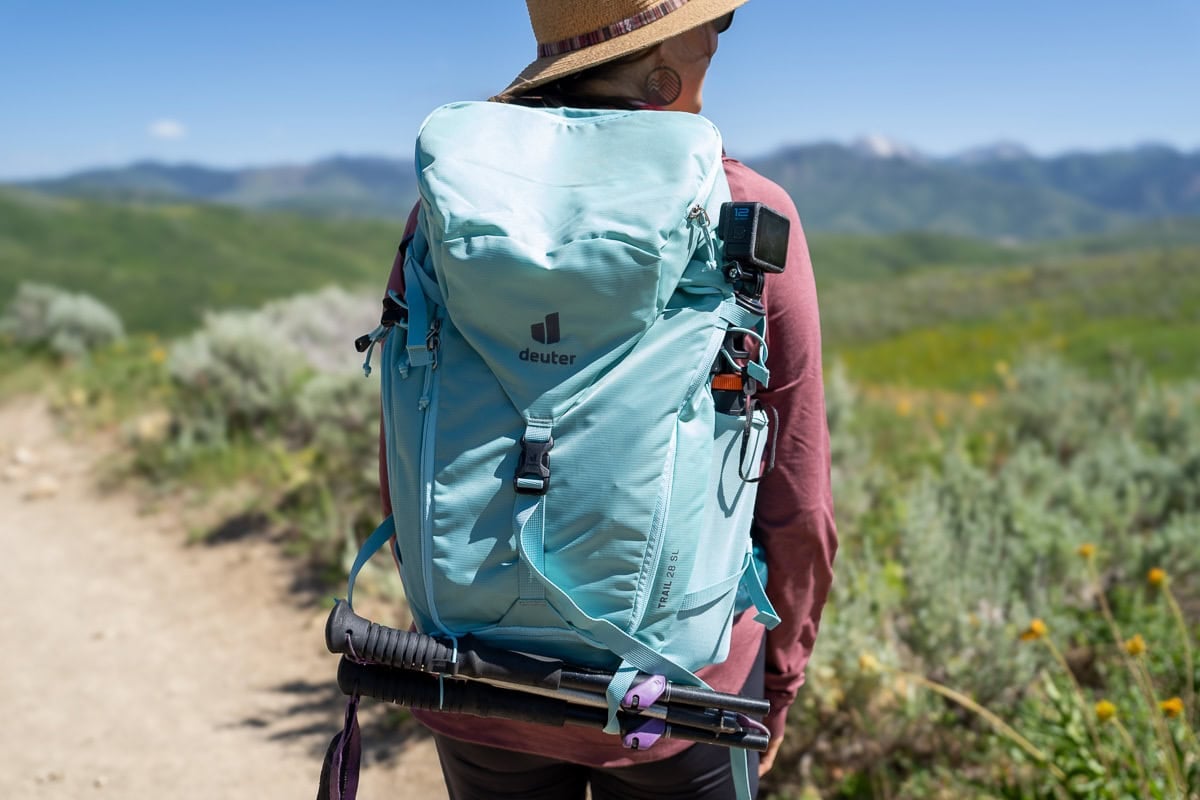

Choosing the Right Mountain Backpack
A mountain backpack carries more than gear—it helps keep essentials organized, balanced, and within reach on the trail. Whether you’re heading out for a short day hike or a multi-day trip, the right pack can make a big difference in comfort and safety. The best choice depends on your trip length, the equipment you need, and how well the pack fits your body.
Choose a Capacity for Your Trip
Backpack capacity is usually measured in liters. A smaller pack can work for a day hike, while longer trips require room for extra clothing, food, shelter, and sleep gear. The amount of space you need also depends on the season: cold-weather equipment often takes up more room than lightweight summer gear.
- Day hikes: A compact pack is often enough for water, food, an extra layer, navigation tools, and safety essentials.
- Overnight trips: Choose a pack with space for a sleeping bag, shelter, cooking supplies, and additional clothing.
- Longer treks: A larger pack may be useful when carrying several days’ worth of food and equipment.
Pack size is only a starting point. A well-organized kit can fit into a smaller pack, while bulky equipment may require more capacity. Try to avoid buying a pack that is much larger than your needs; extra space can encourage overpacking.
Look for a Comfortable Fit
A mountain backpack should fit your torso and sit securely on your hips. Many packs come in different torso lengths or have adjustable suspension systems. When trying one on, load it with some weight and adjust the shoulder straps, hip belt, and sternum strap. The hip belt should carry much of the load, while the shoulder straps keep the pack close and stable.
Walk around, bend, and reach while wearing the pack. It should feel balanced without rubbing, pinching, or restricting your movement. Fit matters more than a long list of features, so take time to compare options before buying.
Consider Important Features
The right features depend on the terrain and your personal preferences. Useful details may include:
- Supportive frame: Helps distribute heavier loads and keep the pack stable.
- Ventilated back panel: Can improve airflow between the pack and your back.
- Accessible pockets: Make it easier to reach water, snacks, maps, or small essentials.
- Attachment points: Can secure trekking poles or other equipment when needed.
- Weather protection: Water-resistant materials or a rain cover help protect gear, though a waterproof liner can add another layer of protection.
- Durable construction: Reinforced fabric and sturdy zippers can stand up to frequent use.
Extra compartments and straps can be convenient, but they may add weight. Focus on features that suit the trips you actually take.
Pack for Balance and Easy Access
How you load a backpack affects how it carries. Keep heavier items close to your back and centered, and place lighter or bulky items farther from your body. Items you may need quickly—such as a rain jacket, snacks, map, or first-aid supplies—should be easy to reach.
Use dry bags or simple stuff sacks to group clothing and protect important items from moisture. Before setting out, tighten compression straps so the load does not shift as you walk. A stable pack is more comfortable, especially on steep or uneven trails.
Maintain Your Backpack
After a trip, empty the pack and shake out dirt and debris. Follow the manufacturer’s care instructions; harsh detergents and high heat can damage fabric, coatings, or buckles. Let the pack dry completely before storing it in a cool, dry place. Check seams, zippers, straps, and buckles occasionally so small problems can be addressed before they become bigger ones.
Find a Pack That Matches Your Adventure
A good mountain backpack balances capacity, comfort, durability, and useful organization. Start by considering the length and conditions of your trips, then focus on fit and the features that support your needs. With a properly adjusted pack and a thoughtful load, you can spend less time managing your gear and more time enjoying the trail.
7 Essential Mountain Backpacking Tips for Comfort and Preparedness
- Choose a well-fitting backpack with a supportive hip belt.
- Pack lightweight layers for changing mountain weather.
- Carry more water than expected and know refill points.
- Keep a map, compass, or GPS easy to reach.
- Store snacks where they’re quick to access.
- Secure heavy items close to your back.
- Use a rain cover or waterproof liner for your gear.
Choose a well-fitting backpack with a supportive hip belt.
Choose a mountain backpack that fits your torso comfortably and has a supportive, adjustable hip belt. When properly positioned, the belt rests around your hips and carries much of the pack’s weight, reducing strain on your shoulders and helping keep the load stable on uneven trails. Try the pack with some weight inside and adjust the straps to make sure it feels secure without pinching or restricting movement.
Pack lightweight layers for changing mountain weather.
Pack lightweight layers to stay comfortable as mountain weather changes throughout the day. A moisture-wicking base layer, an insulating midlayer, and a compact waterproof shell let you adjust to shifts in temperature, wind, and rain without adding unnecessary bulk to your backpack. Keep the shell easy to reach so you can put it on quickly when conditions turn.
Carry more water than expected and know refill points.
When hiking in the mountains, carry more water than you think you’ll need, since steep climbs, warm weather, and changing conditions can increase how much you drink. Before you leave, check your route for reliable refill points, such as maintained taps or dependable water sources, and plan how much water to carry between them. Treat natural water before drinking it, and never assume a stream or spring will be available or safe.
Keep a map, compass, or GPS easy to reach.
Keep a map, compass, or GPS easy to reach in a top pocket or other accessible spot on your mountain backpack. You may need to check your route often, especially at trail junctions or in changing weather, so avoid burying navigation tools beneath other gear. Store them securely and protect electronic devices from moisture, while keeping a paper map and compass available as reliable backups.
Store snacks where they’re quick to access.
Store snacks in an easy-to-reach pocket of your mountain backpack so you can refuel without stopping to unpack your gear. Side pockets, hip-belt pockets, or a top pocket work well for trail mix, energy bars, and other quick bites. Keep snacks secure and protected from rain, and pack out all wrappers to leave the trail clean.
Secure heavy items close to your back.
Secure heavy items close to your back and near the middle of your mountain backpack. Keeping weight centered and close to your body helps the pack feel more balanced, reduces strain, and makes it easier to stay steady on uneven or steep trails. Place lighter gear farther out, and tighten the compression straps so nothing shifts as you move.
Use a rain cover or waterproof liner for your gear.
Use a rain cover or waterproof liner to protect your gear from rain, snow, and splashes on the trail. A rain cover fits over the outside of your mountain backpack, while a liner keeps items dry from the inside if moisture seeps through the fabric. For extra protection, store essentials such as clothing, electronics, and a first-aid kit in waterproof bags.


