

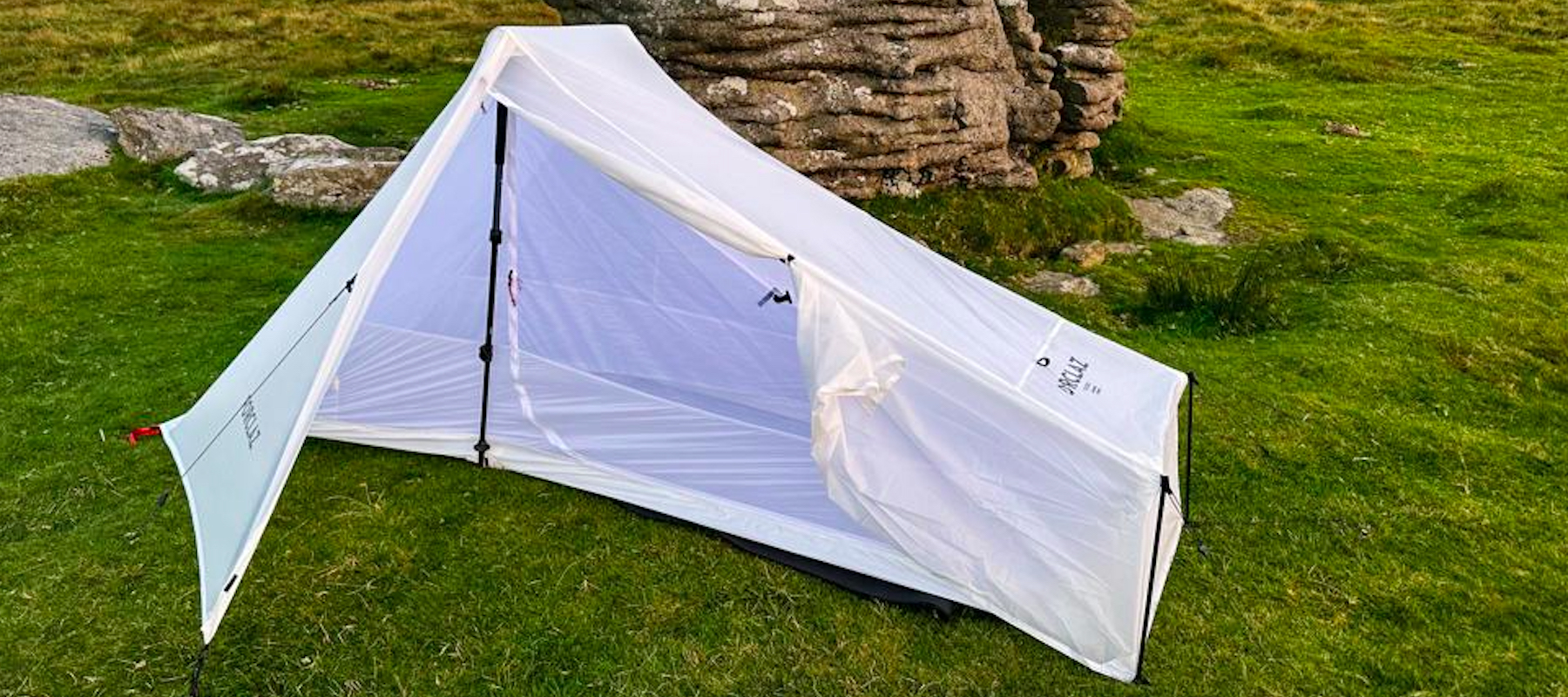

Trekking Pole Tents: A Lightweight Shelter for the Trail
A trekking pole tent uses one or more hiking poles to support its structure instead of relying on a traditional set of tent poles. By reusing gear many hikers already carry, these shelters can reduce pack weight and offer a compact alternative for backpacking. They are available in a range of designs, from minimalist solo shelters to roomier models for two people.
How Trekking Pole Tents Work
Most trekking pole tents are pitched with trekking poles set to a specified height. The poles support a tent peak or ridgeline, while stakes and guylines hold the shelter taut. Some designs use one pole; others use two or more. The tent body may include a floor and mesh panels, while a tarp-style model may provide only an overhead cover. Many shelters also use a separate groundsheet or inner tent.
Unlike freestanding tents, trekking pole shelters depend on secure stake placements for their shape and stability. That can be an advantage in open terrain, where a properly tensioned shelter can be both light and functional, but it may make pitching more challenging on rock, sand, or other surfaces where stakes are difficult to anchor.
Advantages
- Lower pack weight: The shelter can use poles already carried for hiking, eliminating or reducing the need for dedicated tent poles.
- Compact packing: Many models pack down small, leaving more room in a backpack.
- Flexible setups: Some shelters can be pitched in different configurations, such as with or without an inner tent, depending on the weather and trip.
- Efficient design: A simple structure can provide useful coverage with relatively little material.
Potential Drawbacks
A trekking pole tent may take practice to pitch well. The correct pole height, stake placement, and line tension all affect stability and usable space. A poor pitch can lead to sagging fabric, reduced ventilation, or water reaching areas that should stay dry.
These tents are also less convenient when hiking without trekking poles. Some models require poles with adjustable height, while others can be used with fixed-length poles or optional support poles. Before buying, check the shelter’s requirements and confirm that your poles are compatible.
Because many designs have sloping walls, their interior may feel smaller than the floor dimensions suggest. Headroom, usable space near the edges, and room for gear vary considerably. Rain protection and ventilation also depend on the model and how it is pitched, so a lightweight shelter is not automatically suitable for every climate or season.
Choosing the Right Trekking Pole Tent
Start by considering the trips you plan to take. A solo backpacker traveling in mild conditions may prefer a compact, single-pole shelter. Someone sharing a tent, carrying more gear, or expecting frequent rain may value a larger design with an enclosed inner, a generous vestibule, or better ventilation.
- Capacity and interior space: Look beyond the stated number of occupants. Compare floor dimensions, peak height, vestibule area, and the shape of the walls.
- Weather protection: Review the fabric, seams, rainfly coverage, and design details. Consider the conditions expected on your routes rather than relying on a season label alone.
- Pitching requirements: Check the number of poles, required pole height, stake count, and whether the shelter needs a particular pitching surface.
- Weight: Compare complete packed weights, including stakes, guylines, inner tent, and groundsheet if those items are needed.
- Ventilation: Mesh panels and adjustable openings can help manage condensation, though ventilation can be affected by weather and campsite selection.
- Durability and repair: Consider fabric strength, replacement parts, and how easily the shelter can be repaired in the field.
Tips for Pitching
Practice setting up a trekking pole tent at home before taking it into the backcountry. Read the manufacturer’s instructions, since each design has its own pole-height and stake-placement requirements. Choose a reasonably level campsite, clear away sharp debris, and orient the shelter to suit the expected wind and weather.
Stake the corners securely, set the poles to the recommended height, and adjust the guylines until the fabric is taut without being overstretched. In windy conditions, use every recommended guyline and check the stakes after the shelter is pitched. A footprint or groundsheet can protect the floor, but it should not extend beyond the tent in a way that collects rainwater underneath.
Is a Trekking Pole Tent Right for You?
A trekking pole tent can be a practical choice for hikers who prioritize low weight and already use trekking poles. It may be less suitable for someone who wants a quick, freestanding setup or often camps where stakes are difficult to use. Comparing designs and practicing the pitch can help determine whether this style matches your gear, experience, and typical conditions.
When selected and pitched appropriately, a trekking pole tent offers an efficient shelter option for backpacking. The best choice is the one that balances weight with comfort, weather protection, and ease of use for the trips you actually take.
7 Reasons Trekking Pole Tents are Perfect for Backpackers: Lightweight, Compact, and Versatile
- Lightweight for backpacking
- Packs down compactly
- Uses trekking poles you already carry
- Reduces the need for tent poles
- Offers flexible pitch options
- Can provide generous vestibule space
- Available in ultralight designs
Challenges of Using Trekking Pole Tents: Stability, Equipment Needs, Space Limitations, and Terrain Suitability
- Can be tricky to pitch securely.
- Requires suitable trekking poles and stakes.
- Often has less interior space than freestanding tents.
- May be difficult to set up on rocky or sandy ground.
Lightweight for backpacking
A trekking pole tent can be an excellent choice for backpackers looking to reduce pack weight. Because it uses trekking poles you may already carry, it can eliminate the need for separate tent poles and help keep your gear compact. A lighter shelter can make long hiking days feel more manageable, while still providing dependable protection when properly pitched.
Packs down compactly
One of the biggest advantages of a trekking pole tent is how compactly it packs down. Because many models use your hiking poles for support instead of bulky tent poles, the shelter can fit neatly into a backpack and leave more room for other essentials. This space-saving design is especially useful on long trips, when every bit of pack space counts.
Uses trekking poles you already carry
One of the biggest advantages of a trekking pole tent is that it uses the trekking poles you already carry on the trail. Instead of packing separate tent poles, you can use your hiking poles to support the shelter, reducing duplicate gear and helping keep your pack lighter.
Reduces the need for tent poles
One key advantage of a trekking pole tent is that it reduces the need to carry separate tent poles. The shelter uses trekking poles you may already bring on the trail for support, helping simplify your gear and save pack space and weight. This makes it an appealing option for backpackers looking to travel lighter without giving up a dependable place to sleep.
Offers flexible pitch options
Trekking pole tents offer flexible pitch options that let you adapt your shelter to the weather, terrain, and trip. Depending on the design, you can pitch the rainfly on its own for a lightweight setup, add an inner tent for bug protection, or adjust the height and configuration to improve ventilation or create more coverage. This versatility makes it easier to tailor your shelter to changing conditions without carrying a separate tent for every situation.
Can provide generous vestibule space
Many trekking pole tents use steeply angled walls and extended rainfly panels to create generous vestibule space for storing backpacks, boots, and other gear outside the sleeping area. This extra covered storage can help keep the tent interior uncluttered and protect equipment from rain, while still leaving room to enter and exit comfortably.
Available in ultralight designs
Trekking pole tents are available in ultralight designs that help reduce the weight of a backpacking setup. By using trekking poles many hikers already carry for support, these tents can avoid the weight of separate tent poles. For long-distance hikes or trips where every ounce matters, an ultralight model can make carrying shelter more manageable without giving up essential protection from the elements.
Can be tricky to pitch securely.
Trekking pole tents can be tricky to pitch securely because they rely on carefully placed stakes and properly tensioned guylines rather than a freestanding frame. Uneven ground, soft soil, or rocky terrain can make it harder to anchor the stakes, while incorrect pole height or loose lines may leave the shelter sagging or less stable in wind. Practicing the setup at home and carrying suitable stakes can make pitching easier on the trail.
Requires suitable trekking poles and stakes.
A trekking pole tent depends on compatible trekking poles and secure stakes to hold its shape, so it may not work well with every hiker’s gear or campsite. Some designs require poles with adjustable heights or specific setup lengths, while rocky, sandy, or hard-packed ground can make it difficult to anchor stakes firmly. Before choosing one, check the shelter’s pole requirements and consider carrying suitable stakes or a backup pitching option.
Often has less interior space than freestanding tents.
Trekking pole tents often provide less usable interior space than freestanding tents, even when their listed floor dimensions seem similar. Their sloping walls can reduce headroom and make it harder to sit up, move around, or keep gear inside without brushing against the fabric. This can feel especially limiting for two people or during long periods spent sheltering from bad weather.
May be difficult to set up on rocky or sandy ground.
Trekking pole tents rely on stakes and taut guylines for support, so pitching them can be challenging on rocky or sandy ground. Rocks may prevent stakes from going into the soil, while loose sand may not hold them securely. In these conditions, campers may need to search for firmer ground, use specialized stakes, or anchor guylines to rocks or other stable objects.


