

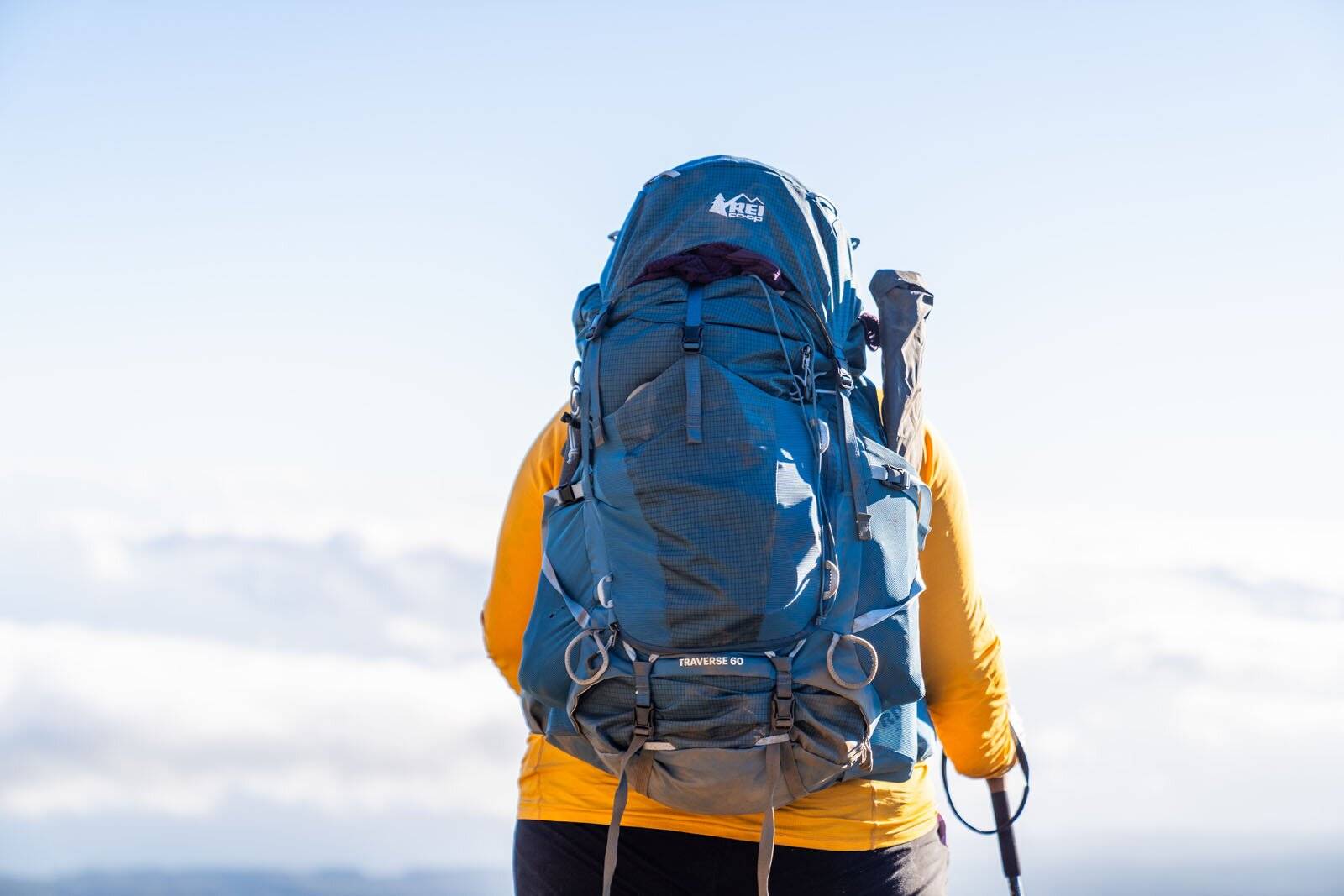

How to Choose the Right REI Hiking Backpack
A good hiking backpack helps you carry water, food, extra layers, and other essentials comfortably. REI Co-op offers hiking packs in a range of sizes and styles, from lightweight daypacks to larger backpacks designed for overnight trips. The best choice depends on how long you’ll be out, what you need to carry, and how the pack fits your body.
Choose a Pack Size for Your Hike
Backpack capacity is usually measured in liters. A smaller pack may be enough for a short hike, while a longer outing or overnight trip calls for more room. As a general guide:
- Day hikes: A compact daypack can carry water, snacks, a first-aid kit, and an extra layer.
- Long day hikes: A larger daypack provides space for additional food, clothing, and safety gear.
- Overnight trips: A backpacking pack offers more capacity for a sleeping bag, shelter, cooking equipment, and clothing.
Capacity needs vary with the season, the length of the trip, and how much gear you bring. If possible, lay out your equipment before choosing a pack so you can estimate the space you’ll need.
Pay Attention to Fit
Fit is just as important as capacity. Many hiking backpacks are designed around torso length, so check the manufacturer’s sizing information and adjust the straps before heading out. The hip belt should sit comfortably around your hips and carry much of the pack’s weight. Shoulder straps should feel secure without digging in, and the pack should rest close to your body without restricting movement.
Try a pack with some weight inside, if you can. Walk around, adjust the hip belt and shoulder straps, and notice whether anything rubs or feels unbalanced. A well-fitting backpack can make a long trail day more comfortable.
Look for Useful Features
Consider which features will make your hikes easier. Common options include side pockets for water bottles, a sleeve for a hydration reservoir, hip-belt pockets for small items, and attachment points for trekking poles. Some packs also include a rain cover or a separate compartment for gear you want to keep apart.
More features can add weight, so focus on what you’ll actually use. For a simple day hike, an easy-to-access water pocket and a comfortable back panel may matter more than numerous straps or compartments.
Pack Comfortably and Safely
Place heavier items close to your back and toward the middle of the pack to help maintain balance. Keep frequently used items, such as snacks, a map, or a phone, in easy-to-reach pockets. Before leaving, check that buckles are fastened and loose straps are secured. Bring enough water and weather-appropriate layers, and make sure essential safety supplies are easy to access.
Care for Your Backpack
After a hike, empty the pack and let it air-dry completely before storing it. Brush off dirt and follow the care instructions provided by the manufacturer. Avoid storing the backpack while it is damp, as moisture can lead to odors or damage over time. Regularly check zippers, buckles, and straps for wear.
Find a Pack That Fits Your Plans
The right REI hiking backpack is one that fits your body, carries your gear, and suits the kinds of trips you take. Compare capacity, weight, fit adjustments, and features before making a decision. With a comfortable pack and a thoughtful setup, you’ll be better prepared to enjoy the miles ahead.
Essential FAQs for Choosing the Perfect REI Hiking Backpack
- What size backpack is good for a 3 day hike?
- Which backpack is best for hiking?
- Is 40L backpack enough for hiking?
- Is 55L enough for backpacking?
What size backpack is good for a 3 day hike?
For a 3-day hike, a backpack with a capacity of about 40 to 60 liters is often a good choice, especially if you’re carrying camping gear, food, and extra clothing. The right size depends on your equipment, the weather, and whether you’re sharing items such as a tent or cooking gear. Lightweight or experienced hikers may manage with a smaller pack, while bulky cold-weather gear may require more space. Pack your essentials before choosing, and make sure the loaded backpack fits comfortably.
Which backpack is best for hiking?
The best backpack for hiking is one that fits your body comfortably and has enough capacity for your trip. For a day hike, a lightweight daypack with room for water, snacks, extra layers, and safety essentials is usually a good choice; overnight hikes call for a larger backpack with space for camping gear. Look for adjustable straps, a supportive hip belt, and pockets or attachment points that suit the gear you carry. If possible, try the pack on with weight inside to check its fit before you buy.
Is 40L backpack enough for hiking?
A 40L backpack is typically enough for a full day hike and may also work for an overnight trip if you pack lightweight, compact gear. For day hikes, it offers plenty of room for water, food, extra layers, and safety essentials, though it may feel larger than necessary for shorter outings. For multi-day trips, whether 40 liters is sufficient depends on your gear, the season, and whether you need to carry a tent, sleeping bag, and cooking supplies. Pack your essentials and check the fit and weight before heading out.
Is 55L enough for backpacking?
Yes, a 55-liter backpack is enough for many overnight and weekend backpacking trips, especially if your gear is compact and you pack efficiently. It may also work for longer trips in mild weather, but bulky cold-weather clothing, extra food, or specialized equipment can require more space. Before choosing a pack, consider your trip length and gear, and check that the loaded backpack fits comfortably.


