


The Ultimate Guide to Fish Finders: How They Work and Why You Need One
If you’re an avid angler looking to up your fishing game, a fish finder is a must-have tool in your arsenal. Whether you’re a beginner or a seasoned pro, having a fish finder onboard can significantly increase your chances of landing the big catch. But what exactly is a fish finder and how does it work?
What is a Fish Finder?
A fish finder, also known as a depth finder or sounder, is an electronic device used by fishermen to locate fish underwater. It uses sonar technology to detect objects and structures beneath the surface of the water, including fish schools, vegetation, and bottom contours.
How Does a Fish Finder Work?
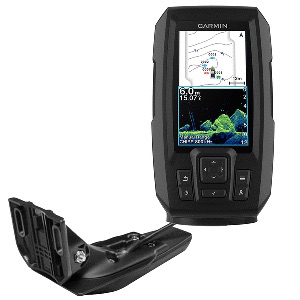
A typical fish finder consists of two main components: a transducer and a display unit. The transducer is mounted on the hull of the boat or kayak and emits sound waves into the water. When these sound waves encounter objects or fish, they bounce back to the transducer, which then sends the information to the display unit.
The display unit shows this information in the form of visual representations such as fish icons, arches, and depth readings. By interpreting these signals, anglers can determine the location and depth of fish in real-time, allowing them to adjust their fishing techniques accordingly.
Benefits of Using a Fish Finder
There are several benefits to using a fish finder while out on the water:
- Increased Catch Rate: By accurately locating fish hotspots, anglers can focus their efforts on productive areas, leading to more successful fishing trips.
- Save Time and Energy: Instead of aimlessly casting your line in random spots, a fish finder helps you target specific areas where fish are most likely to be found.
- Explore New Waters: Fish finders allow you to explore unfamiliar waters with confidence by providing valuable insights into underwater topography and potential fishing spots.
Choosing the Right Fish Finder
When selecting a fish finder for your fishing adventures, consider factors such as frequency range, power output, screen resolution, and additional features like GPS integration and mapping capabilities. Choose a model that best suits your fishing style and budget for optimal performance on the water.
In Conclusion
A fish finder is an invaluable tool that can revolutionize your fishing experience by providing essential information about what lies beneath the surface. Whether you’re targeting specific species or simply looking to improve your overall catch rate, investing in a quality fish finder is sure to enhance your time on the water and help you reel in more memorable catches.
Master Your Fish Finder: 9 Essential Tips for Anglers
- Ensure the fish finder is compatible with your type of fishing (freshwater, saltwater, ice fishing, etc.)
- Learn how to interpret the sonar readings to identify fish and underwater structures
- Adjust the sensitivity settings based on water depth and conditions for better accuracy
- Use GPS features to mark productive fishing spots and navigate unfamiliar waters
- Regularly update software to access new features and improvements
- Keep the transducer clean and positioned correctly for optimal performance
- Practice using different display modes to customize information according to your preferences
- Consider investing in a unit with CHIRP technology for enhanced target separation and clarity
- Read the user manual thoroughly to understand all functions and make the most of your fish finder
Ensure the fish finder is compatible with your type of fishing (freshwater, saltwater, ice fishing, etc.)
When selecting a fish finder, it is crucial to ensure that the device is compatible with your type of fishing, whether it be freshwater, saltwater, ice fishing, or any other specific conditions. Different environments may require specific features or capabilities in a fish finder to optimize its performance and accuracy. By choosing a fish finder that is tailored to your fishing needs and environment, you can enhance your fishing experience and increase your chances of success on the water.
Learn how to interpret the sonar readings to identify fish and underwater structures
Understanding how to interpret sonar readings is essential for effectively using a fish finder to identify fish and underwater structures. By learning how to analyze the visual representations on the display unit, such as fish icons, arches, and depth readings, anglers can pinpoint the location and behavior of fish in real-time. Additionally, being able to distinguish between different types of underwater structures like vegetation, rocks, and drop-offs can help anglers identify potential fishing hotspots and adjust their fishing tactics accordingly. Mastering the art of interpreting sonar readings can significantly enhance your fishing success and make your time on the water more rewarding.
Adjust the sensitivity settings based on water depth and conditions for better accuracy
To optimize the accuracy of your fish finder readings, it is essential to adjust the sensitivity settings according to the water depth and conditions you are fishing in. By fine-tuning the sensitivity settings, you can eliminate unwanted noise and interference, resulting in clearer and more precise information about fish activity beneath the surface. In shallow waters, lower sensitivity levels may be more suitable to avoid cluttered readings, while in deeper waters or murky conditions, higher sensitivity settings can help detect fish targets more effectively. Experimenting with different sensitivity levels based on the specific environment will enhance the performance of your fish finder and improve your fishing success.
Use GPS features to mark productive fishing spots and navigate unfamiliar waters
Utilizing the GPS features on your fish finder can be a game-changer when it comes to fishing success. By marking productive fishing spots and navigating unfamiliar waters with precision, you can maximize your time on the water and increase your chances of landing the big catch. Whether you’re exploring new fishing grounds or revisiting tried-and-true locations, leveraging the GPS capabilities of your fish finder allows you to fish with confidence and strategic efficiency.
Regularly update software to access new features and improvements
To make the most of your fish finder, it is essential to regularly update its software. By keeping the software up-to-date, you ensure access to new features and improvements that can enhance your fishing experience. Updates often include bug fixes, performance enhancements, and additional functionalities that can help you locate fish more efficiently and effectively. Stay ahead of the game by staying current with software updates for your fish finder.
Keep the transducer clean and positioned correctly for optimal performance
To ensure optimal performance of your fish finder, it is crucial to keep the transducer clean and positioned correctly. The transducer plays a vital role in transmitting and receiving sonar signals, allowing you to accurately locate fish underwater. By regularly cleaning the transducer and ensuring it is mounted in the right location on your boat or kayak, you can maintain clear and reliable sonar readings. This simple tip can make a significant difference in the effectiveness of your fish finder and ultimately enhance your fishing experience.
Practice using different display modes to customize information according to your preferences
To enhance your fishing experience with a fish finder, it’s beneficial to practice using different display modes to customize the information based on your preferences. By experimenting with various settings and modes, such as adjusting sensitivity levels, color palettes, and split-screen views, you can tailor the display to provide you with the most relevant and useful information while out on the water. This customization allows you to optimize your fishing strategy and make the most of your time on the water by focusing on the details that matter most to you.
Consider investing in a unit with CHIRP technology for enhanced target separation and clarity
When choosing a fish finder, it’s worth considering investing in a unit equipped with CHIRP technology for enhanced target separation and clarity. CHIRP (Compressed High-Intensity Radiated Pulse) technology allows the fish finder to provide more detailed and accurate information about underwater targets, making it easier to distinguish between fish and other objects. This advanced technology can significantly improve your fishing experience by giving you a clearer picture of what lies beneath the surface, ultimately increasing your chances of success on the water.
Read the user manual thoroughly to understand all functions and make the most of your fish finder
To make the most of your fish finder, it is crucial to read the user manual thoroughly to understand all functions and features. By familiarizing yourself with the device’s capabilities, settings, and operation instructions, you can optimize its performance on the water. Taking the time to learn how to use your fish finder effectively will not only enhance your fishing experience but also increase your chances of success in locating and catching fish.


