

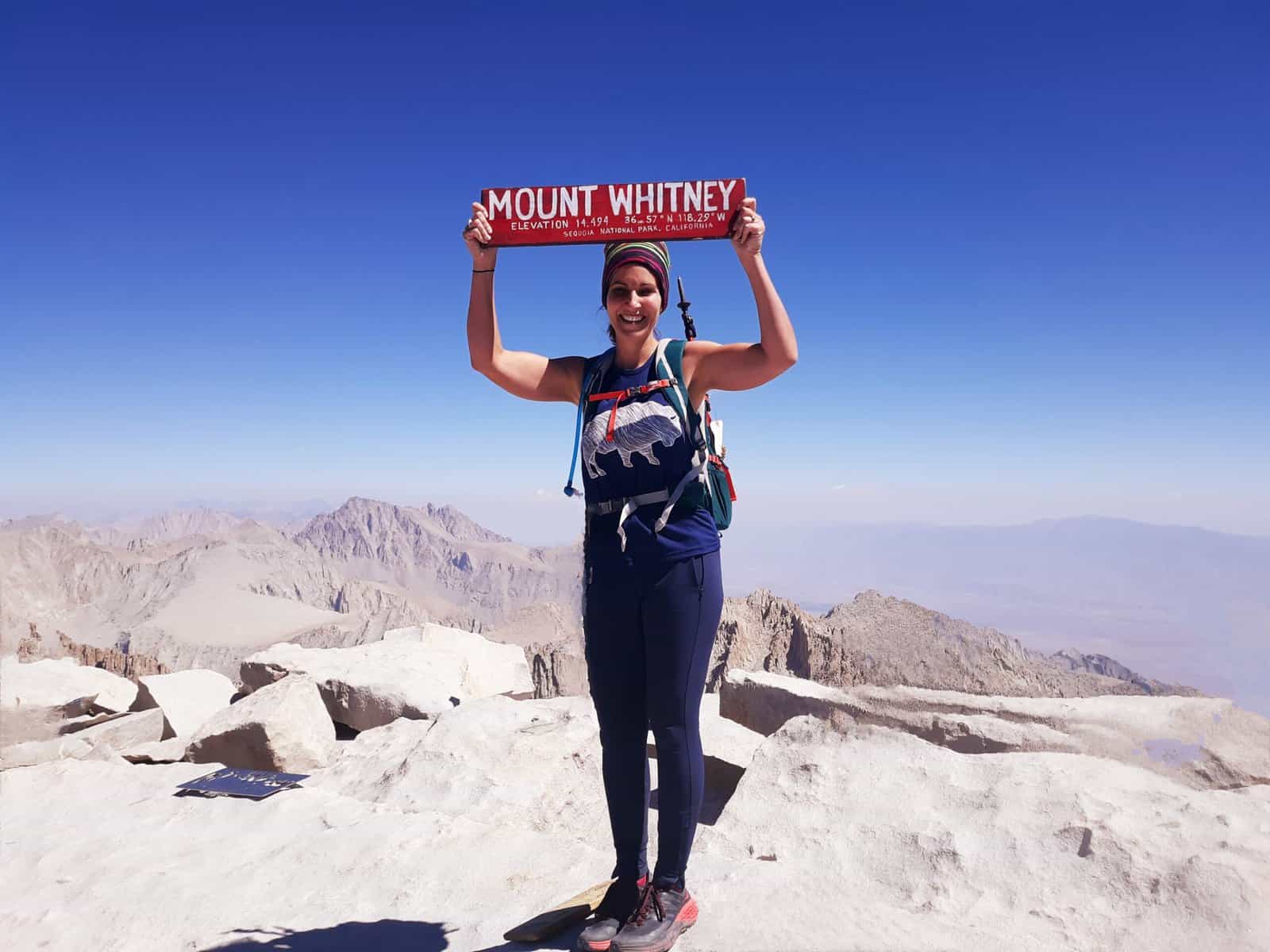

Mount Whitney Hike: A Challenging Journey to the Highest Peak in the Contiguous United States
Rising to 14,505 feet above sea level, Mount Whitney is the highest mountain in the contiguous United States and one of the most sought-after hiking destinations in the country. The classic route begins at Whitney Portal in California’s Eastern Sierra and climbs through rugged alpine terrain to the summit. The views are extraordinary, but the hike is long, strenuous, and high enough to pose serious altitude and weather risks. Careful preparation is essential.
What to Expect on the Mount Whitney Trail
The standard Mount Whitney Trail is about 22 miles round trip, with roughly 6,000 feet of elevation gain. The trailhead at Whitney Portal sits at approximately 8,360 feet, and the summit reaches 14,505 feet. Most hikers complete the route as a very demanding day hike, while others split the journey into an overnight backpacking trip.
The route climbs steadily through forests and open mountain scenery, passing Lone Pine Lake and Outpost Camp before reaching Trail Camp at around 12,000 feet. Above Trail Camp, the trail makes a series of exposed switchbacks toward Trail Crest, near 13,600 feet. From there, hikers follow a high, rocky ridge to the summit. The final miles are especially challenging because of the elevation, exposure, and accumulated fatigue.
Permits and Planning
A permit is required to hike beyond the Mount Whitney Zone boundary, whether you plan to make a day hike or an overnight trip. Demand is high, particularly during the main hiking season, and permits are allocated through a lottery and other reservation opportunities. Rules and application dates can change, so check the current information from the Inyo National Forest and Recreation.gov well before making plans.
Plan transportation, lodging, and trailhead logistics in advance. Whitney Portal is a short drive from Lone Pine, California, but services are limited near the trailhead. Allow time for rest and acclimatization before the hike, and avoid treating a permit as a guarantee that conditions will be safe on your chosen day.
Altitude, Weather, and Safety
Altitude is one of the biggest challenges on Mount Whitney. At high elevations, the body receives less oxygen, and even fit hikers may develop symptoms such as headache, nausea, dizziness, unusual fatigue, or shortness of breath. Ascending gradually and spending time at elevation beforehand can help with acclimatization, but it does not eliminate the risk. If symptoms worsen, descend; severe symptoms require urgent attention.
Mountain weather can change quickly. Cold temperatures, strong winds, thunderstorms, snow, and ice may affect the route, including during the warmer months. Check the forecast and trail conditions shortly before departure, and be prepared to turn around. A summit is never worth continuing into dangerous weather or pushing through serious symptoms.
Carry enough water and food for a long day, along with layers for changing conditions, a headlamp, navigation tools, sun protection, and a first-aid kit. A water filter or other treatment method is useful if you plan to refill from natural sources. Do not rely on cell service along the trail.
Leave No Trace
Mount Whitney’s popularity places pressure on its fragile alpine environment. Follow all permit and wilderness regulations, stay on established trails where possible, and pack out trash. Human waste must be managed according to current local rules; hikers are commonly required to carry and use a human-waste disposal bag in the Mount Whitney area. Check the latest instructions before your trip, and never leave waste or equipment behind.
Is the Mount Whitney Hike Right for You?
Mount Whitney is not a casual day hike. Its distance, elevation gain, and high-altitude conditions demand strong preparation, sound judgment, and the ability to change plans when necessary. Training on long climbs, testing gear beforehand, and hiking with a realistic pace can make the experience safer and more enjoyable.
For hikers who prepare carefully, the journey offers a remarkable progression from forested trail to stark alpine wilderness, ending with broad views across the Sierra Nevada. Reaching the summit is memorable, but a safe turnaround and a responsible return to the trailhead matter just as much.
Essential Tips for a Successful Mount Whitney Hike
- Secure a permit well in advance.
- Acclimate to altitude before your hike.
- Start early and set a firm turnaround time.
- Check weather and trail conditions before you go.
- Carry plenty of water and treat all natural water.
- Pack layers, food, and a reliable navigation tool.
Secure a permit well in advance.
A permit is required to hike the Mount Whitney Trail, and demand is especially high during the peak season. Apply through the official lottery or check for later permit opportunities well ahead of your planned trip, and confirm current rules and dates with the Inyo National Forest or Recreation.gov. Don’t make nonrefundable travel plans until your permit is secured, and remember that a permit doesn’t guarantee safe trail or weather conditions.
Acclimate to altitude before your hike.
Spend time at higher elevations before your Mount Whitney hike to give your body a chance to adjust to thinner air. If possible, arrive in the area a day or two early and take gradual hikes or rest at altitude rather than making a rapid ascent from sea level. Acclimatization can reduce the risk of altitude-related illness, but it doesn’t eliminate it—watch for symptoms such as headache, nausea, dizziness, or unusual fatigue, and descend if they worsen.
Start early and set a firm turnaround time.
Start your Mount Whitney hike early to make the most of daylight and give yourself time to handle a slow pace, rest breaks, or changing trail conditions. Before you set out, choose a firm turnaround time and stick to it—even if you haven’t reached the summit. Turning back on schedule helps preserve enough time and energy to descend safely, especially when afternoon weather, fatigue, or altitude becomes a concern.
Check weather and trail conditions before you go.
Before setting out on the Mount Whitney hike, check the latest weather forecast and trail conditions, then keep monitoring them as your trip approaches. High-elevation weather can change quickly, bringing cold temperatures, strong winds, thunderstorms, snow, or ice—even during the usual hiking season. Check official updates from the Inyo National Forest, pack for the conditions, and be ready to adjust your plans or turn back if the forecast or trail becomes unsafe.
Carry plenty of water and treat all natural water.
Carry plenty of water on the Mount Whitney hike, especially because the long, strenuous climb and high elevation can increase your risk of dehydration. Plan your water supply around the route, weather, and your needs, and bring a reliable way to treat water if you expect to refill from streams or lakes. Natural water can contain harmful microorganisms, so filter, boil, or chemically treat it before drinking.
Pack layers, food, and a reliable navigation tool.
Pack layers, plenty of food, and a reliable navigation tool for your Mount Whitney hike. Temperatures and weather can change quickly at high elevation, so bring clothing you can add or remove as conditions shift. A steady supply of snacks and meals will help sustain you through the long climb, while a map, GPS device, or downloaded offline route can help you stay oriented where cell service is limited.

