

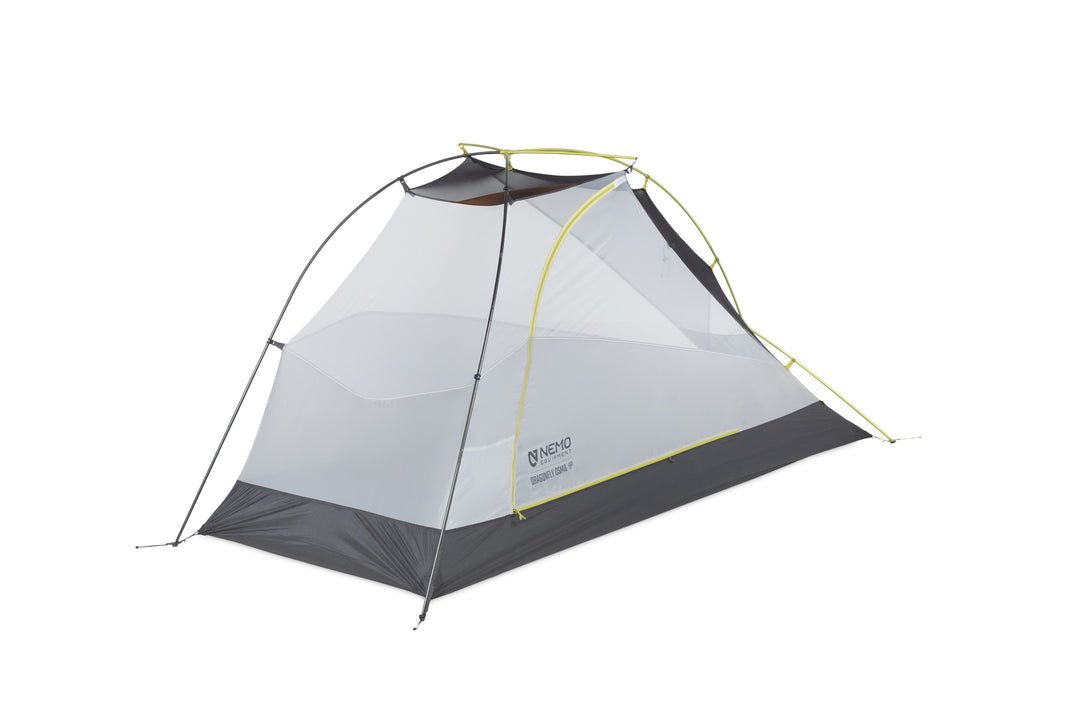

How to Choose an Ultralight Backpacking Tent
An ultralight backpacking tent can make long days on the trail more comfortable by reducing the weight in your pack. But the lightest shelter is not automatically the best one. Space, weather protection, durability, setup, and the kind of trips you take all matter. The goal is to find a tent that provides dependable shelter without carrying features you do not need.
What Counts as Ultralight?
There is no single standard for the term “ultralight.” Many backpackers use it for tents weighing about 2 pounds or less, while minimalist shelters can weigh considerably less. Compare the trail weight—typically the tent body, rainfly, and poles—with the packed weight, which may include stakes, stuff sacks, guylines, and repair materials. Check what each manufacturer includes, since listed weights are not always directly comparable.
Also consider the weight you will actually carry. A two-person tent shared between two hikers can weigh less per person than two separate one-person shelters.
Common Types of Ultralight Tents
Freestanding Tents
Freestanding tents use a pole frame to hold their shape without requiring stakes at every corner. They are convenient on rocky or hard-packed ground where it can be difficult to anchor stakes. The tradeoff is that they often weigh more than comparable non-freestanding designs. Many still need stakes or guylines for secure, weather-resistant setup.
Non-Freestanding Tents
These shelters rely on stakes and tension to maintain their shape. They can be exceptionally light and pack down small, but they require suitable ground and careful pitching. A taut setup is important for stability, rain protection, and interior space.
Trekking-Pole Shelters
Trekking-pole tents use one or more hiking poles in place of dedicated tent poles. This can save weight if you already carry trekking poles. Before choosing one, make sure you are comfortable with the setup and that the shelter can be pitched securely in the terrain and conditions you expect to encounter.
Key Features to Consider
- Capacity and space: A one-person tent saves weight, but may leave little room for a pack or for changing clothes. A two-person tent can offer more comfort for one hiker, or space for two people traveling together.
- Weather protection: Look for a design suited to the rain, wind, and temperatures you expect. A full-coverage rainfly and well-designed ventilation can help manage wet conditions and condensation.
- Floor and rainfly materials: Lightweight fabrics reduce pack weight, but can require more careful handling. Consider whether the material and construction suit your intended use.
- Ventilation: Mesh panels and vents can reduce condensation, though they may provide less protection from windblown rain or cold air depending on the design.
- Vestibules: Covered areas outside the inner tent provide a place for footwear and gear. Larger vestibules add convenience but may add weight.
- Ease of setup: Practice pitching the tent at home before relying on it outdoors. A shelter that is difficult to pitch in wind or low light can become frustrating when conditions are poor.
- Durability and repair: Check the quality of seams, zippers, poles, and attachment points. A small repair kit and knowledge of basic fixes can be valuable on a trip.
Ultralight Does Not Mean Suitable for Every Trip
Reducing weight often involves tradeoffs. A lighter tent may have less room, thinner fabric, fewer features, or a more demanding setup. Some models are intended for three-season use rather than heavy snow or severe storms. Read the manufacturer’s guidance, and consider the likely conditions instead of choosing based on weight alone.
For exposed or unpredictable routes, stability and weather protection may be more important than saving a few ounces. For a mild-weather trip on established trails, a simpler shelter may be a sensible choice.
Tips for Using Your Tent
- Practice before your trip. Learn the setup, adjustment points, and packing routine at home.
- Choose a good campsite. Follow local regulations and established camping practices. Avoid low spots where water can collect, and assess exposure to wind and falling branches.
- Pitch it taut. Proper tension helps the shelter perform as designed. Recheck guylines if the fabric or ground conditions change.
- Manage condensation. Use vents where possible, avoid pitching beside water when conditions allow, and keep damp gear from touching the inner walls.
- Protect the fabric. Clear sharp debris from the site and handle lightweight materials with care. Use a compatible groundsheet if recommended by the manufacturer.
- Dry it before storage. Let the tent dry completely after use to help prevent mildew and fabric damage.
Finding the Right Balance
The best ultralight backpacking tent is the one that fits your trips and your comfort needs—not simply the one with the lowest advertised weight. Compare complete trail weights, check usable interior and vestibule space, and consider the weather and terrain where you plan to camp. A well-chosen shelter can reduce pack weight while still providing reliable protection and a good night’s rest.
Ultralight Backpacking Tents: 7 Frequently Asked Questions
- What is considered an ultralight backpacking tent?
- How much should an ultralight backpacking tent weigh?
- Are ultralight backpacking tents durable enough for regular use?
- Should I choose a freestanding or trekking-pole tent?
- How do I choose the right tent size for backpacking?
- Can an ultralight backpacking tent handle rain and strong winds?
- How can I reduce condensation inside an ultralight backpacking tent?
What is considered an ultralight backpacking tent?
There’s no official weight limit, but an ultralight backpacking tent is commonly considered one that weighs about 2 pounds or less. Some minimalist models weigh under 1.5 pounds, while roomier or more weather-resistant designs may be heavier. Compare trail weight—the tent body, rainfly, and poles—and check whether stakes and stuff sacks are included; for a tent shared by two hikers, consider the weight each person carries.
How much should an ultralight backpacking tent weigh?
An ultralight backpacking tent typically weighs about 2 pounds or less for the shelter’s trail weight, though minimalist models can be lighter. Check what the listed weight includes: trail weight usually covers the tent body, rainfly, and poles, while packed weight may also include stakes, guylines, and stuff sacks. For a shared tent, compare the weight per person, since splitting a two-person shelter can be lighter than carrying separate tents. The right choice balances weight with space, weather protection, durability, and ease of setup.
Are ultralight backpacking tents durable enough for regular use?
Yes, ultralight backpacking tents can be durable enough for regular use when they’re well made and properly cared for, but their thinner fabrics and lighter components may be less resistant to abrasion and rough handling than those of heavier tents. Choose a model suited to your typical conditions, pitch it on clear ground, use a compatible groundsheet if recommended, and handle zippers and poles carefully. With routine cleaning, thorough drying before storage, and prompt repairs to small tears or damaged seams, an ultralight tent can serve reliably on many trips.
Should I choose a freestanding or trekking-pole tent?
Choose a freestanding tent if you want a simple setup and often camp on rocky or hard-packed ground where stakes are difficult to use; it is generally easier to move after pitching, but may weigh more. A trekking-pole tent can save weight if you already carry trekking poles, though it depends on well-placed stakes and may take more practice to pitch securely. Consider your usual terrain, weather, comfort with setup, and whether you want to carry dedicated tent poles—the best choice is the one you can pitch reliably where you hike.
How do I choose the right tent size for backpacking?
Choose a backpacking tent size based on the number of people, your gear, and how much room you want to sleep comfortably. A one-person tent is lighter and compact, but may feel tight if you’re tall or want to keep gear inside; a two-person tent offers more space for one hiker or can be shared by two, though it adds weight. Check the tent’s floor dimensions, peak height, and vestibule area—not just its capacity rating—and, if possible, try lying in it before buying.
Can an ultralight backpacking tent handle rain and strong winds?
Yes, many ultralight backpacking tents can handle rain and strong winds when they’re designed for those conditions and pitched correctly, but performance varies by model. Look for a full-coverage rainfly, sturdy poles or a secure trekking-pole setup, reinforced attachment points, and well-designed guylines. Choose a sheltered campsite, stake the tent firmly, and tension it properly; even then, ultralight materials and designs may be less suitable for severe storms or exposed alpine conditions. Check the manufacturer’s weather guidance and match the tent to the conditions expected on your trip.
How can I reduce condensation inside an ultralight backpacking tent?
To reduce condensation inside an ultralight backpacking tent, choose a well-ventilated campsite away from water, damp ground, and low spots where cool air settles. Open vents or doors when weather allows, and pitch the tent with enough space between the inner body and rainfly for airflow. Keep wet gear and damp clothing in the vestibule, and avoid breathing directly toward the tent walls. If condensation forms, wipe it away with a small cloth and dry the tent thoroughly when you can.


