

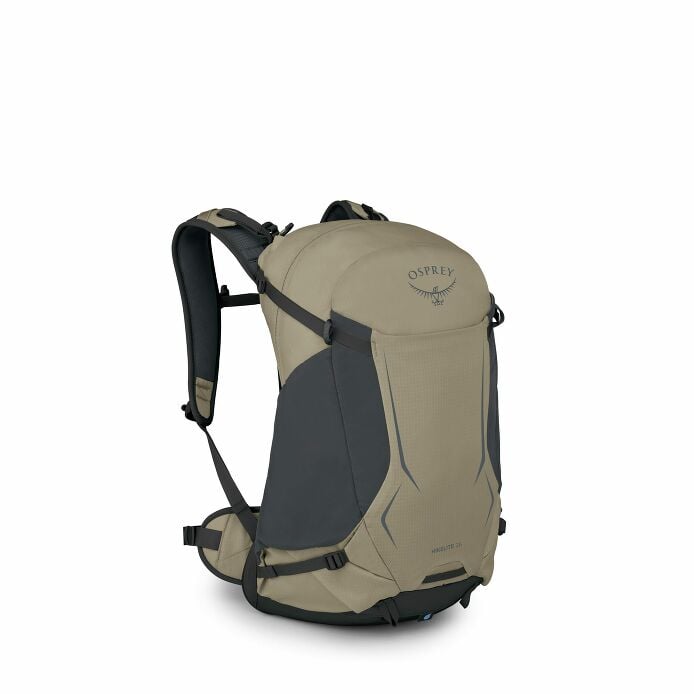

How to Choose an Osprey Hiking Backpack
An Osprey hiking backpack can be a dependable companion for day hikes, weekend trips, and longer adventures. The right pack should fit your body comfortably, carry the gear you need, and suit the kind of trails and trips you enjoy. Since Osprey offers packs in different sizes and designs, it helps to compare capacity, fit, and features before choosing one.
Start with the Right Capacity
Backpack capacity is usually measured in liters. A smaller pack may work well for short hikes when you only need water, snacks, an extra layer, and a few essentials. For longer day hikes or overnight trips, you may need more room for additional clothing, food, and equipment. The best size depends on the length of your outings, the season, and how much gear you typically carry.
Try not to choose a larger pack simply because it has more space. Extra capacity can encourage overpacking and may make the backpack feel bulky on the trail. Aim for enough room to carry your essentials without sacrificing comfort.
Look for a Comfortable Fit
Fit is one of the most important factors when buying a hiking backpack. A well-fitted pack should sit securely against your back, with the hip belt resting comfortably around your hips and the shoulder straps supporting the load without digging in. Many Osprey packs are offered in different sizes or fit options, so check the product details and consult the manufacturer’s fitting guidance.
Whenever possible, try the backpack on with some weight inside. Adjust the hip belt, shoulder straps, and sternum strap, then walk around for a few minutes. A pack that feels comfortable in the store is more likely to feel good after several miles on the trail.
Consider the Features You’ll Use
Osprey hiking backpacks may include features such as exterior pockets, trekking-pole attachments, hydration-system compatibility, rain covers, or ventilated back panels. These can be useful, but they should match your needs rather than dictate your choice.
- Pockets: Side and hip-belt pockets make frequently used items easier to reach.
- Hydration compatibility: A sleeve and hose routing can make it convenient to carry a reservoir, if you prefer drinking on the move.
- Weather protection: Some packs include a rain cover, while others may require a separate one. A pack cover helps in wet conditions, but keeping important gear in waterproof bags adds another layer of protection.
- Attachment points: Loops and straps can help secure items such as trekking poles or a sleeping pad.
- Back ventilation: Different suspension designs manage airflow and load support in different ways. Consider what feels comfortable for your body and hiking conditions.
Day Hikes and Overnight Trips
For day hikes, prioritize a lightweight design with space for water, food, a first-aid kit, navigation tools, and weather-appropriate layers. A simple layout can make it easier to organize essentials and keep the pack from becoming unnecessarily heavy.
For overnight backpacking, look for a larger pack with enough capacity for your sleeping system, shelter, cooking equipment, and several days of supplies. Pay close attention to the suspension and hip belt, since a heavier load makes proper fit even more important. Pack your gear before a trip and take a short test hike to check for pressure points or shifting weight.
How to Care for Your Backpack
After a hike, empty the pack and shake out dirt, leaves, and crumbs. If it needs cleaning, follow the care instructions provided by the manufacturer. In general, gentle spot cleaning and air-drying are preferable to machine washing or high heat. Store the backpack in a dry place, and check zippers, buckles, and straps occasionally so small issues can be addressed before your next trip.
Choose for Your Adventures
The best Osprey hiking backpack is not necessarily the one with the most features or the largest capacity. It is the one that fits well, carries your usual gear, and feels comfortable on the trails you hike. Compare current models, review their size and fit information, and test the pack with weight before making a decision. A little time spent choosing the right backpack can make long days outdoors more comfortable and enjoyable.
Essential FAQs for Choosing and Using Your Osprey Hiking Backpack
- How do I choose the right size Osprey hiking backpack?
- How should an Osprey hiking backpack fit?
- What size Osprey backpack is best for a day hike?
- Are Osprey hiking backpacks compatible with hydration reservoirs?
- How do I adjust the straps on an Osprey hiking backpack?
- How do I clean and care for an Osprey hiking backpack?
- Do Osprey hiking backpacks come with a rain cover?
How do I choose the right size Osprey hiking backpack?
To choose the right-size Osprey hiking backpack, consider both its capacity and its fit. Pick a capacity based on your trip length and gear, then measure your torso and compare it with the sizing guidance for the specific pack, since sizing can vary by model. When trying it on with weight inside, adjust the hip belt so it sits comfortably on your hips and make sure the shoulder straps feel secure without pinching. A short test walk can help reveal pressure points before you hit the trail.
How should an Osprey hiking backpack fit?
An Osprey hiking backpack should feel secure and balanced, with most of the weight resting on your hips rather than your shoulders. Position the hip belt so it sits comfortably around your hip bones, then tighten the shoulder straps until they hug your shoulders without pulling the belt upward. Adjust the sternum strap for a stable, comfortable fit, and make sure the pack does not sway or create pressure points as you move. Fit can vary by model and torso length, so check Osprey’s sizing guidance and try the pack on with some weight inside whenever possible.
What size Osprey backpack is best for a day hike?
For most day hikes, an Osprey backpack in the 20- to 30-liter range offers room for water, food, extra layers, and essential gear without feeling oversized. A smaller pack may suit short hikes with minimal equipment, while a larger one can be useful for long outings, changing weather, or carrying extra supplies for a group. Choose based on what you’ll carry and how the pack fits your body.
Are Osprey hiking backpacks compatible with hydration reservoirs?
Many Osprey hiking backpacks are compatible with hydration reservoirs, but compatibility and setup vary by model. Look for an internal reservoir sleeve and a port or routing clip for the drinking hose, and check the pack’s product specifications to confirm which reservoir sizes it supports. Some models may require purchasing a reservoir separately.
How do I adjust the straps on an Osprey hiking backpack?
To adjust an Osprey hiking backpack, loosen the straps first, then put on the pack with a light load. Position the hip belt over your hip bones and tighten it so it carries most of the weight. Pull the shoulder-strap ends down until the straps sit snugly against your shoulders, then fasten and adjust the sternum strap so it feels comfortable without restricting breathing. If your model has load-lifter straps, tighten them gently to bring the top of the pack closer to your body. Adjust the straps while walking, and check your pack’s instructions for any model-specific torso or harness adjustments.
How do I clean and care for an Osprey hiking backpack?
To clean an Osprey hiking backpack, first empty every pocket and remove any detachable parts, such as the rain cover, if the care label allows. Use a soft brush or damp cloth with lukewarm water and mild soap to spot-clean dirt, then rinse with a clean, damp cloth. Avoid washing machines, bleach, and harsh detergents, which can damage the fabric, coatings, or frame. Hang the pack open to air-dry completely, away from direct heat or sunlight. Before storing it in a cool, dry place, check the zippers, buckles, and straps, and follow the care instructions for your specific model.
Do Osprey hiking backpacks come with a rain cover?
Some Osprey hiking backpacks come with a rain cover, while others do not. Whether one is included depends on the specific model, so check the product’s features or included accessories before buying. If your pack doesn’t include one, you can purchase a compatible rain cover separately.


