

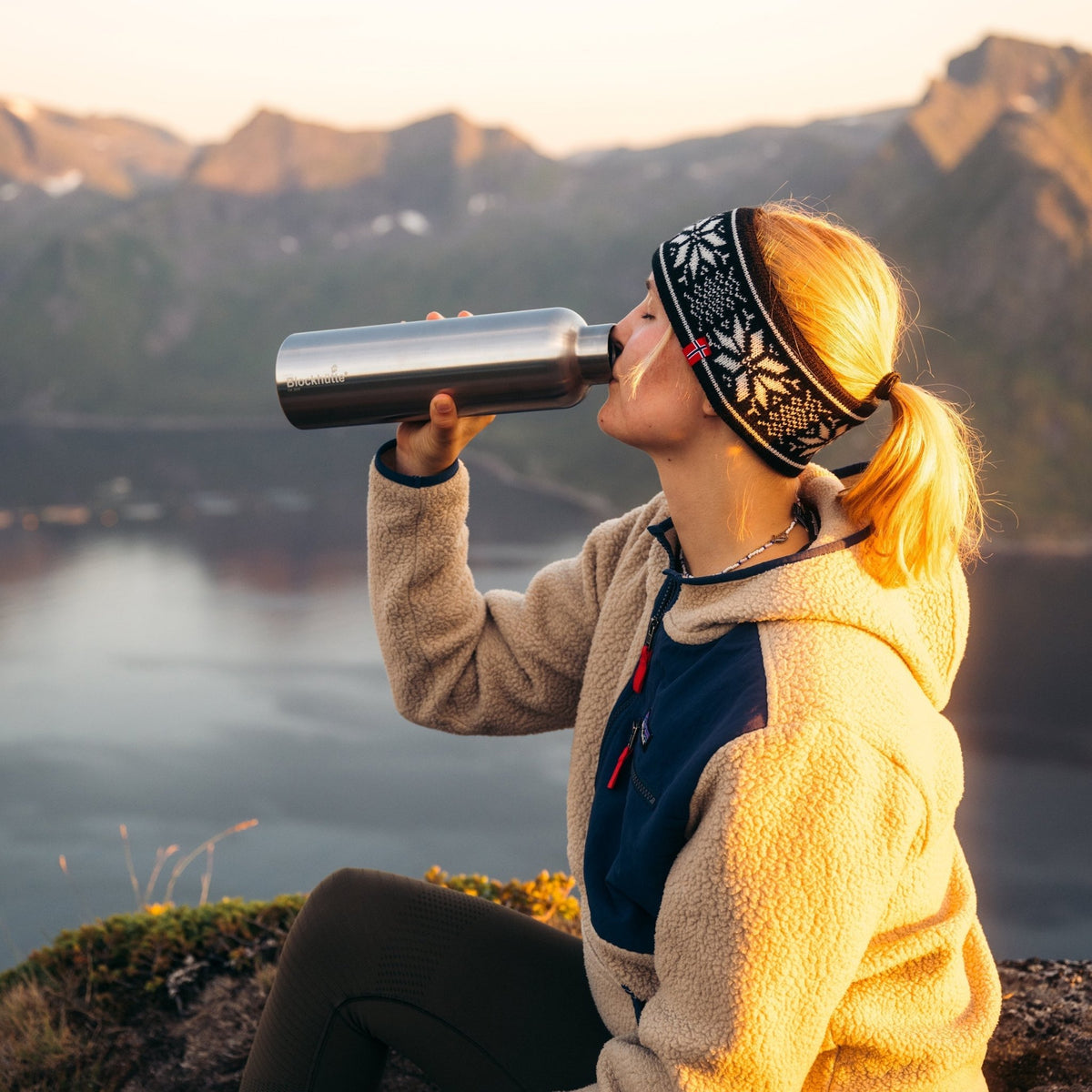

How to Choose the Right Hiking Water Bottle
A dependable hiking water bottle helps you carry water comfortably and drink regularly on the trail. The right choice depends on your hike, the weather, how much water you need, and what kind of pack you carry. A bottle that works well for a short afternoon walk may not be the best option for a long, exposed route.
What to Look for in a Hiking Water Bottle
Capacity
Choose a capacity that suits the length and conditions of your hike. A smaller bottle may be convenient for a short outing, while longer or hotter hikes may require more water or room for a refill. Check whether reliable water sources are available along your route, and carry enough for the distance between them. Water needs vary with temperature, exertion, and individual health, so plan ahead rather than relying on a one-size-fits-all rule.
Material and Weight
Common bottle materials include plastic, stainless steel, and lightweight metal. Plastic bottles are often light and easy to carry. Stainless-steel bottles are sturdy, but can weigh more; insulated versions can help keep drinks cold or hot. Compare the empty weight as well as the full weight, since water adds significant load to a pack.
Shape and Packability
A bottle should fit securely in your backpack’s side pocket and be easy to reach. If you prefer to store it inside the pack, look for a leak-resistant cap and consider using a protective sleeve. A narrow profile may fit more easily in some pockets, while a wide opening can make filling and cleaning simpler.
Lid and Drinking Style
Choose a lid that is easy to use while hiking and unlikely to leak when closed. Screw-top lids are simple and reliable; flip-top or spout lids can make drinking quicker. If you use a bottle with a bite valve or other small parts, check that those parts can be cleaned thoroughly.
Bottle or Hydration Reservoir?
A bottle is easy to refill, clean, and check at a glance. It can also be moved between a pack and a car or campsite with little fuss. A hydration reservoir, which connects to a drinking tube, makes it convenient to sip without stopping, but it can be harder to inspect and clean. Some hikers carry both: a reservoir for regular sipping and a bottle for extra water or mixing a drink.
Using Your Bottle on the Trail
- Plan your water supply around the route, weather, pace, and available refill points.
- Keep the bottle somewhere accessible so drinking does not require unpacking your gear.
- Use a marked bottle or measurement lines if you want to track how much you have consumed.
- Before a hike, check the cap and seals for leaks or damage.
- Follow local guidance for treating water collected from natural sources. Clear-looking water is not necessarily safe to drink.
Cleaning and Care
Wash your bottle after use with warm water and dish soap, paying attention to the cap, threads, and any mouthpiece. Let all parts dry fully before storing them. Follow the manufacturer’s instructions, especially for insulated bottles, filters, or lids with removable components. Avoid leaving a sealed bottle with leftover drinks inside for long periods.
Make Your Choice for the Hike Ahead
The best hiking water bottle is one that fits your pack, is comfortable to carry, and makes it easy to keep water available. Consider the route and conditions first, then choose the capacity, material, and lid that suit your needs. A little planning—and a clean, reliable bottle—can make time on the trail more comfortable.
6 Benefits of Bringing a Water Bottle on Your Hike
- Keeps water within easy reach.
- Helps you stay hydrated on the trail.
- Reusable and easy to refill.
- Available in lightweight designs.
- Fits many backpack pockets.
- Useful for hikes of all lengths.
4 Drawbacks of Hiking Water Bottles
- Can add weight to your pack when full.
- May leak if the cap is not secured.
- Some materials are difficult to clean.
- Insulated bottles can be bulky.
Keeps water within easy reach.
A hiking water bottle keeps water within easy reach, making it simple to take a drink without stopping or digging through your pack. When your bottle fits securely in an accessible pocket or holder, you can hydrate regularly as you hike and stay focused on the trail ahead.
Helps you stay hydrated on the trail.
A hiking water bottle makes it easier to drink regularly while you’re on the trail. Keeping water within reach can help you stay hydrated during climbs, warm weather, and long stretches between breaks, so you can focus on enjoying the hike.
Reusable and easy to refill.
A reusable hiking water bottle is easy to refill at home, at a campground, or at safe water stations along the trail. Instead of relying on disposable bottles, you can refill the same bottle throughout your hike, helping reduce waste and keeping water close at hand. Before using water from a natural source, follow local guidance and treat it as needed to make it safe to drink.
Available in lightweight designs.
Many hiking water bottles are available in lightweight designs, making them easier to carry on the trail without adding unnecessary weight to your pack. This can be especially helpful on long hikes, when every ounce counts and comfortable gear makes a difference.
Fits many backpack pockets.
A hiking water bottle designed to fit many backpack pockets is easy to carry and access on the trail. Its shape and size can slide into a range of side pockets, helping keep water close at hand without taking up space inside your pack. This convenient fit also makes it easier to stay hydrated during quick breaks.
Useful for hikes of all lengths.
A hiking water bottle is useful on trails of all lengths. For a short walk, it provides convenient access to water without adding much bulk, while on longer hikes, it can be refilled along the route or carried alongside a larger water supply. Choosing a bottle that fits your pack makes it easy to bring water whenever you head outdoors.
Can add weight to your pack when full.
A full hiking water bottle can add noticeable weight to your pack, especially on a long hike or when you carry multiple bottles. Water weighs about 2.2 pounds per liter, so choosing an appropriate capacity and planning refill points can help keep your load manageable.
May leak if the cap is not secured.
A hiking water bottle may leak if its cap isn’t secured tightly, potentially soaking items in your backpack or leaving you with less water on the trail. Before setting out, check that the cap is properly closed and the seal is clean and in good condition.
Some materials are difficult to clean.
Some hiking water bottles are harder to clean than others, especially models with narrow openings, straws, bite valves, or lids made up of several small parts. Dirt, drink residue, and moisture can collect in these hard-to-reach areas, leading to odors or buildup if the bottle isn’t cleaned and dried thoroughly. Choose a design with removable parts and an opening wide enough for a bottle brush to make routine cleaning easier.
Insulated bottles can be bulky.
Insulated hiking water bottles can be bulky, taking up valuable space in a backpack and making side pockets harder to use. Their extra weight may also feel cumbersome on longer hikes, especially when the bottle is full. If pack space and weight are priorities, a slimmer, lightweight bottle may be a better choice.


