


Runyon Canyon Hike: A Classic Los Angeles Trail
For a hike with sweeping city views and a quick escape from the streets of Hollywood, Runyon Canyon is a popular choice. This compact urban park in the Hollywood Hills offers several trails, steep climbs, and scenic overlooks—all close to central Los Angeles.
What to Expect
Runyon Canyon has a network of dirt and paved paths that can be combined into routes of different lengths. Many visitors start near the Fuller Avenue entrance, just north of Hollywood Boulevard, while other trail access is available from the park’s northern side. The routes climb quickly, with some steep and uneven sections, so even a short hike can feel like a workout.
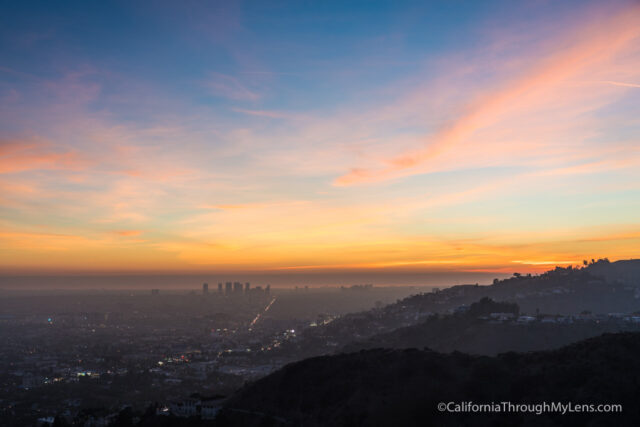
From the higher trails, hikers can take in views of the Los Angeles Basin and surrounding hills. On clear days, the view may stretch toward the ocean. The Hollywood Sign is visible from some parts of the park, though the exact view depends on the route and conditions.
Choosing a Route
There is no single required loop. A shorter out-and-back can suit visitors looking for a brief walk, while connecting the park’s trails makes for a longer, more challenging outing. Some paths are paved, but many are rough or steep. Check the route before setting out, and allow extra time for climbs and photo stops.
Tips for a Better Hike
- Bring water. Much of the trail is exposed, and shade is limited.
- Wear sturdy shoes. Loose dirt and uneven ground can be slippery, especially on descents.
- Plan around the heat. Morning or late-afternoon hikes are generally more comfortable than midday outings.
- Expect limited parking. Street parking nearby can be scarce and may be subject to posted restrictions. Read signs carefully and consider arriving early or using a rideshare.
- Follow park and dog rules. Dogs are welcome, and designated off-leash areas are available. Keep pets under control and follow posted leash requirements.
- Stay on marked paths. This helps protect the landscape and reduces the risk of getting lost or injured.
Is Runyon Canyon Worth Visiting?
Runyon Canyon is a convenient option for travelers and locals who want a vigorous walk without leaving the city. It can be busy, especially on weekends, but the mix of accessible trails and broad views makes it one of Los Angeles’s best-known urban hikes. Check current park information before visiting, bring water, and choose a route that matches your fitness level.
Everything You Need to Know About Hiking Runyon Canyon: FAQs Answered
- How long does the Runyon Canyon hike take?
- How difficult is the Runyon Canyon hike?
- Where are the entrances to Runyon Canyon?
- Is there parking near Runyon Canyon?
- Are dogs allowed on the Runyon Canyon trails?
- What should visitors bring for a Runyon Canyon hike?
- What views and landmarks can hikers see from Runyon Canyon?
- What is the best time of day to hike Runyon Canyon?
How long does the Runyon Canyon hike take?
The Runyon Canyon hike typically takes about 1 to 2 hours, depending on your route, pace, and how often you stop to enjoy the views. A shorter out-and-back can take around 45 minutes, while a longer loop with steep climbs may take closer to 2 hours or more. Allow extra time on busy days, and bring water—especially in warm weather.
How difficult is the Runyon Canyon hike?
The Runyon Canyon hike ranges from moderate to strenuous, depending on the route you choose. Some paths are relatively short, but steep climbs, uneven dirt, and exposed sections can make the hike more challenging than expected. A good level of fitness, sturdy shoes, and plenty of water are recommended, especially on hot days.
Where are the entrances to Runyon Canyon?
Runyon Canyon has several entrances, with the most commonly used at the south end near Fuller Avenue, just north of Hollywood Boulevard. Another main access point is at the north end on Mulholland Drive. You can also reach the park from the Solar Drive area. Entrance and parking conditions may vary, so check current park information and posted street signs before you go.
Is there parking near Runyon Canyon?
Parking near Runyon Canyon is limited, and there is no large dedicated lot at the main entrance. Some street parking is available in nearby residential areas, but restrictions vary, so check posted signs carefully to avoid a ticket or tow. Arriving early may make it easier to find a legal space; rideshare, public transit, or walking from nearby areas can be more convenient, especially on weekends.
Are dogs allowed on the Runyon Canyon trails?
Yes, dogs are allowed on the Runyon Canyon trails. The park has designated off-leash areas, but leash rules apply in other sections, so check posted signs and keep your dog under control. Bring water for your pet, watch for hot pavement and steep, uneven paths, and clean up after your dog.
What should visitors bring for a Runyon Canyon hike?
Visitors should bring plenty of water, sunscreen, a hat, and sturdy shoes with good traction, since Runyon Canyon’s trails can be steep, uneven, and exposed to the sun. A charged phone, light snacks, and waste bags for dogs are also useful. Check the weather and park conditions before heading out, and carry out any trash.
What views and landmarks can hikers see from Runyon Canyon?
From Runyon Canyon’s trails and overlooks, hikers can enjoy sweeping views of Los Angeles, including the Hollywood skyline, Downtown LA, and the surrounding hills. On clear days, the view may extend to the Pacific Ocean. The Hollywood Sign is visible from some points, and hikers may also spot landmarks such as the Griffith Observatory and, from certain vantage points, the San Fernando Valley. Views vary by route and weather, so a clear day offers the best chance to take in the city’s landmarks.
What is the best time of day to hike Runyon Canyon?
The best time to hike Runyon Canyon is early in the morning, when temperatures are cooler and the trails are generally less crowded. Late afternoon can also be pleasant, especially for softer light and sunset views, but check sunset time and leave enough daylight to finish safely. Midday hikes are best avoided on hot, sunny days because much of the trail has little shade. Bring water, wear sun protection, and check local conditions before you go.


