


North Kaibab Trail: A Journey into the Grand Canyon
The North Kaibab Trail is the only maintained trail that descends from the North Rim of Grand Canyon National Park to the Colorado River. It offers a dramatic route through changing landscapes, from cool, forested high country to the canyon’s hot, rugged inner depths. The trail is renowned for its scenery, but its steep grades, distance, and extreme temperature changes make it a demanding hike that requires careful planning.
Trail Overview
The trailhead sits near the North Rim Lodge at an elevation of about 8,200 feet. From there, the route descends roughly 5,700 feet toward the Colorado River. It is about 14 miles one way to the river and the Bright Angel Campground area, making a rim-to-river hike a strenuous undertaking. Hiking down and back to the North Rim in a single day is not recommended by the National Park Service.
Along the way, the trail passes through several distinct environments. Ponderosa pine and fir give way to red-rock cliffs, narrow canyon passages, and the dry inner gorge. The changing scenery is one of the route’s great rewards—and a reminder that hikers must be prepared for very different conditions during the same trip.
Notable Stops Along the Route
- Supai Tunnel: A short distance below the trailhead, this tunnel is a familiar landmark and a useful point to pause before continuing into the canyon.
- Roaring Springs: This major spring emerges from the canyon wall and supplies water to parts of the park. Access to water along the trail can vary, so check current conditions before setting out.
- Manzanita Rest Area: Located near Bright Angel Creek, this area provides a place to rest. Facilities and water availability may change seasonally.
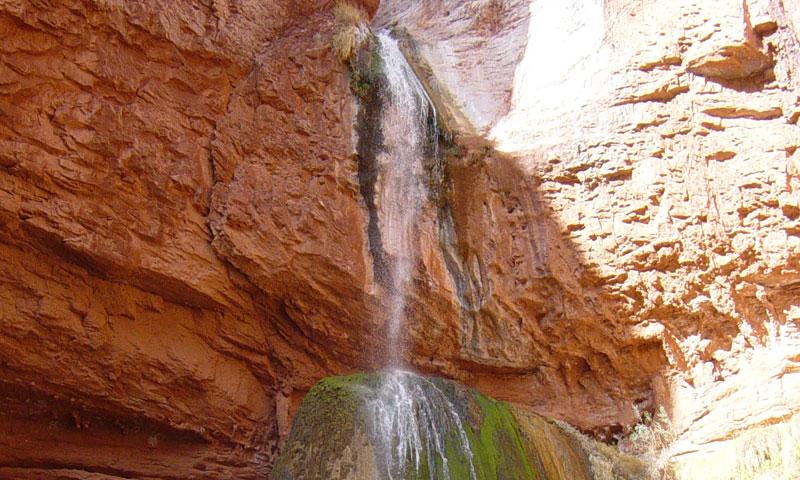
- Ribbon Falls: A scenic side trip near the trail, the falls are a popular destination for hikers traveling to or from the North Rim. Follow posted guidance and use caution around wet, uneven surfaces.
- Phantom Ranch and the Colorado River: Far below the rim, hikers reach the inner-canyon corridor near Phantom Ranch and the river. Reservations are required for overnight stays at Phantom Ranch, and availability is limited.
Choose a Hike That Fits Your Experience
Visitors do not need to hike all the way to the river to enjoy the North Kaibab Trail. A short out-and-back hike from the trailhead can provide impressive views without committing to a long descent. Remember that every step downhill must eventually be climbed on the return, and the ascent can feel especially difficult after a full day in the canyon.
For an overnight trip, permits are required for backcountry camping, and hikers should arrange their plans well in advance. The trail is also part of longer Grand Canyon routes, including rim-to-rim hikes. These trips require substantial preparation, reliable transportation planning, and close attention to weather, trail, and water conditions.
Safety and Preparation
Grand Canyon hiking is more challenging than the distance alone may suggest. The North Kaibab Trail loses elevation quickly, and temperatures can rise sharply as hikers descend. Carry enough water, food, and sun protection for the entire hike, and do not rely on water sources being available. Check the National Park Service’s current trail and water reports before leaving.
- Start early to avoid the hottest part of the day.
- Set a conservative turnaround time and be prepared to shorten your hike.
- Wear sturdy footwear and carry layers for changing temperatures.
- Take regular breaks, eat, and drink before you feel depleted.
- Stay on the trail and follow posted signs and park guidance.
Because the North Rim is at high elevation and experiences seasonal weather, access and services may be limited at certain times of year. Trail conditions, water availability, facilities, and road access can change. Check the official Grand Canyon National Park website for the latest information before traveling.
A Remarkable Canyon Experience
The North Kaibab Trail offers an unforgettable way to experience the scale and variety of Grand Canyon National Park. Whether you take a brief walk below the rim or plan a carefully prepared multi-day journey, the route rewards hikers with remarkable scenery and a close-up view of the canyon’s changing geology. Respecting the trail’s challenges is essential to enjoying it safely.
8 Essential Tips for Hiking the North Kaibab Trail Safely
- Start before sunrise to avoid the midday heat.
- Carry plenty of water and refill only at confirmed, open sources.
- Check trail and water conditions before setting out.
- Wear sturdy shoes with good traction.
- Pace yourself—the climb out is long and strenuous.
- Bring salty snacks and eat regularly.
- Turn around before you run low on water or energy.
- Pack sun protection and a headlamp.
Start before sunrise to avoid the midday heat.
Start your hike on the North Kaibab Trail before sunrise to make the most of the cooler morning temperatures and reduce your exposure to the intense midday heat. The trail descends into the canyon, where temperatures can climb quickly, so an early start gives you more time to hike at a steady pace and reach your turnaround point safely. Bring a headlamp for the pre-dawn hours, and check current trail and weather conditions before you go.
Carry plenty of water and refill only at confirmed, open sources.
Carry plenty of water on the North Kaibab Trail, where heat and strenuous climbs can quickly lead to dehydration. Don’t assume water will be available at every stop: sources may be seasonal, temporarily closed, or out of service. Check the National Park Service’s latest trail and water updates before your hike, and refill only at sources confirmed to be open and safe to use.
Check trail and water conditions before setting out.
Before setting out on the North Kaibab Trail, check the National Park Service’s latest trail and water-condition updates. Closures, hazards, and water availability can change with weather, maintenance, or seasonal conditions, so don’t assume that water sources or facilities will be operating as expected. Use current information to plan your route, carry enough water for the hike, and adjust or postpone your plans if conditions are unsafe.
Wear sturdy shoes with good traction.
Wear sturdy, well-fitting shoes with good traction on the North Kaibab Trail. Its steep, uneven terrain can include loose rocks, dusty stretches, and slippery patches, so dependable footwear helps you stay steady and comfortable on both the descent and the climb back to the rim.
Pace yourself—the climb out is long and strenuous.
Pace yourself on the North Kaibab Trail, especially on the descent, because every step down adds to the long, strenuous climb back to the North Rim. Take regular breaks, drink water, eat along the way, and turn around before you feel exhausted. A steady, manageable pace can help you conserve energy and make the return hike safer and more enjoyable.
Bring salty snacks and eat regularly.
Bring salty snacks and eat regularly on the North Kaibab Trail to help keep your energy up during the strenuous hike. Trail mix, pretzels, or other easy-to-carry snacks can be useful, especially in the heat, when you’re sweating heavily. Eat small portions throughout the hike, drink water regularly, and don’t rely on salty foods as a substitute for hydration.
Turn around before you run low on water or energy.
On the North Kaibab Trail, set a turnaround point before you begin and head back while you still have plenty of water and energy. The trail climbs steeply on the return, and heat, distance, and elevation can make the ascent more demanding than expected. Don’t wait until you feel exhausted or nearly out of water—your safety depends on having enough reserves for the hike back.
Pack sun protection and a headlamp.
Pack sun protection and a headlamp before hiking the North Kaibab Trail. As you descend into the canyon, shade can be limited and temperatures can rise sharply, so bring sunscreen, sunglasses, and a wide-brimmed hat. A headlamp is useful if your hike starts before sunrise or takes longer than expected, helping you navigate safely in low light.


