

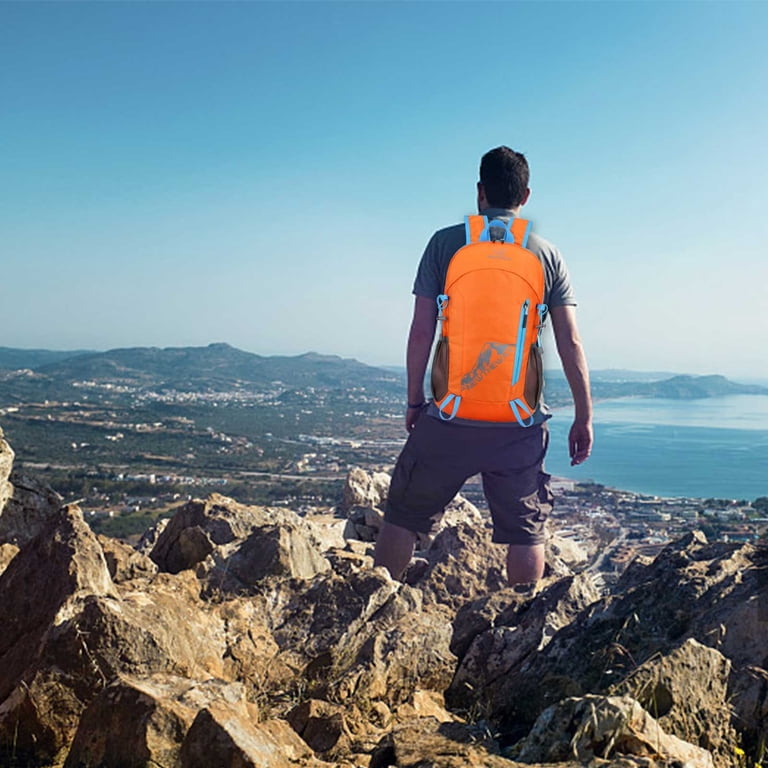

How to Choose a Lightweight Hiking Backpack
A lightweight hiking backpack can make a day on the trail feel more comfortable by reducing the weight you carry on your back. The best pack, however, is not always the one with the lowest number on the scale. It should fit your body, hold the gear you need, and carry that gear comfortably for the kind of hikes you take.
What Counts as a Lightweight Backpack?
“Lightweight” can mean different things depending on the pack’s purpose. A compact daypack may weigh well under two pounds, while a backpack designed for overnight trips will usually weigh more because it needs greater capacity and stronger support. Compare packs within the same category, and look at the total weight alongside features, materials, and intended load.
Some packs are built for hikers who keep their gear especially minimal. These designs may use thin fabrics, fewer pockets, and less padding to save weight. They can work well when carrying a modest load, but may be less comfortable or durable if packed heavily or used on rough trails.
Choose the Right Capacity
Backpack capacity is usually listed in liters. The right size depends on how long you’ll be out, the season, and how much gear you need to carry.
- Short hikes: A small pack can hold water, snacks, a first-aid kit, an extra layer, and other essentials.
- Long day hikes: A larger daypack may provide room for additional food, clothing, and safety gear.
- Overnight trips: A multi-day pack offers space for a sleep system, shelter, food, and cooking equipment. The required capacity varies considerably with your gear and conditions.
A pack that is too small can force you to attach items awkwardly on the outside. One that is much larger than you need may encourage overpacking. Consider the volume of your actual gear before choosing a capacity.
Prioritize Fit and Carry Comfort
Fit matters just as much as pack weight. Many hiking backpacks are sized according to torso length, which is different from overall height. Measure your torso or ask an outdoor retailer to help you find the right size. If a pack comes in multiple sizes, check the manufacturer’s sizing guide.
Try a pack on with weight inside whenever possible. Adjust the shoulder straps, hip belt, and load lifters according to the maker’s instructions. A well-fitted hip belt should transfer some of the load to your hips, while the shoulder straps should feel secure without digging in. Walk around with the pack and notice whether it shifts, rubs, or feels unbalanced.
Frame design also affects comfort. Frameless packs are often very light but are generally best for smaller, carefully organized loads. Packs with a frame or supportive back panel may weigh more, but can feel more stable and comfortable when carrying heavier gear.
Look for Useful Features
Extra features add convenience, but they can also add weight. Focus on the ones you will actually use:
- Water access: Side pockets or a hydration sleeve can make it easier to drink on the move.
- Hip-belt pockets: Handy for snacks, sunscreen, or a phone.
- Compression straps: Help secure a partly filled pack and reduce shifting.
- Rain protection: A rain cover may be included, but a pack liner or waterproof bags can also help keep important items dry.
- Attachment points: Loops and straps can carry trekking poles or other equipment, but items attached outside the pack should be secured carefully.
- Ventilation: A breathable back panel may improve comfort, though it can change how the pack sits against your body.
Balance Weight, Durability, and Price
Lightweight packs often use thinner materials to reduce weight. That does not automatically make them fragile, but it does mean you should consider how and where you plan to use the pack. If you hike on rugged trails, carry bulky equipment, or expect frequent use, reinforced fabric and sturdy stitching may be worth a little extra weight.
Check the warranty and care instructions, and read product specifications carefully. A pack’s listed weight may not include accessories such as a removable rain cover or frame components. Comparing complete configurations gives a more accurate picture.
Pack Smart and Hike Safely
Even a comfortable lightweight backpack can feel cumbersome if its contents shift around. Place heavier items close to your back and centered in the pack, then use softer items to fill gaps. Keep things you may need quickly—such as water, snacks, a map, or a rain layer—easy to reach.
Do not leave essential safety items behind just to reduce weight. Carry enough water for the route and conditions, along with appropriate clothing, navigation tools, food, and a basic first-aid kit. Check the weather and trail information before leaving, and adjust your gear for the season and the length of your hike.
Final Thoughts
The right lightweight hiking backpack is a balance of low weight, comfortable fit, suitable capacity, and dependable construction. Choose one for the hikes you actually take, try it with a realistic load, and pay attention to how it feels after walking for a while. A pack that carries your essentials securely and comfortably is a better choice than one that is merely the lightest on the shelf.
7 Essential Tips for Choosing the Perfect Lightweight Hiking Backpack
- Choose a pack sized for your trip.
- Look for a comfortable hip belt.
- Pick durable, lightweight fabric.
- Use a rain cover or dry bags.
- Pack heavy items close to your back.
- Adjust straps for a snug fit.
- Test the loaded pack before hiking.
Choose a pack sized for your trip.
Choose a backpack sized for the trip you’re planning. A small daypack is usually enough for water, snacks, an extra layer, and safety essentials, while longer hikes or overnight trips may require more room for food, clothing, and camping gear. A pack that’s too small can leave you struggling to fit your equipment, while an oversized pack adds unnecessary weight and can tempt you to overpack. Consider your gear, the weather, and the length of your hike before choosing a capacity.
Look for a comfortable hip belt.
Choose a hiking backpack with a comfortable hip belt that sits securely on your hips without pinching or rubbing. A well-fitted belt helps transfer some of the pack’s weight from your shoulders to your hips, making longer hikes feel more manageable. Try the pack with weight inside, adjust the belt according to the manufacturer’s instructions, and check that it stays in place as you walk.
Pick durable, lightweight fabric.
Choose a backpack made from durable, lightweight fabric to reduce the load without sacrificing reliability on the trail. Fabrics such as ripstop nylon are designed to resist small tears from spreading, while reinforced panels can help protect high-wear areas. Check the material’s weight and construction, and consider how often and where you hike—ultralight fabrics may suit careful day hikers, while rougher conditions may call for a sturdier pack.
Use a rain cover or dry bags.
Use a rain cover or dry bags to protect your gear when the weather turns wet. A rain cover fits over the outside of your backpack, while dry bags or waterproof liners help keep essentials like clothing, food, and electronics dry inside. For extra protection, place items you can’t afford to get wet in separate sealed bags, since rain can sometimes find its way through zippers or seams.
Pack heavy items close to your back.
Pack heavy items close to your back to help keep your lightweight hiking backpack balanced and stable on the trail. Placing dense gear near your torso reduces the feeling of being pulled backward and can make the load more comfortable to carry. Keep lighter items around the outside, and secure everything so it doesn’t shift as you walk.
Adjust straps for a snug fit.
Adjust the backpack’s straps for a snug, stable fit before hitting the trail. Tighten the shoulder straps so the pack rests close to your back, then fasten and adjust the hip belt so it sits comfortably over your hips and helps support the load. If your pack has sternum or load-lifter straps, fine-tune them without pulling so tightly that they restrict movement or breathing. A properly adjusted pack should feel balanced and secure, with no slipping, rubbing, or uncomfortable pressure points.
Test the loaded pack before hiking.
Before heading out on the trail, test your lightweight hiking backpack with the gear and water you plan to carry. Adjust the shoulder straps and hip belt, then walk around for several minutes to check for shifting, pressure points, or rubbing. A short test at home can reveal fit problems early, giving you time to rearrange the load or adjust the pack before they become uncomfortable on the hike.


