

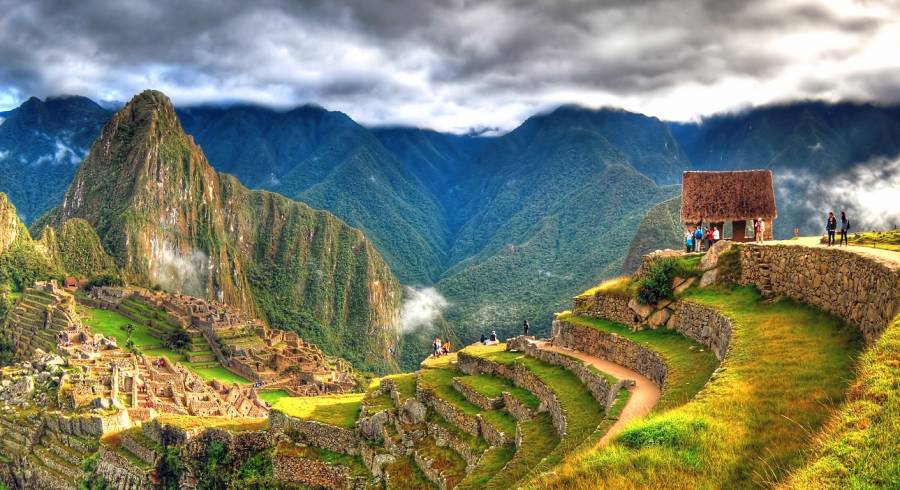

The Significance of UNESCO Cultural Heritage Sites
UNESCO (United Nations Educational, Scientific and Cultural Organization) has designated numerous sites around the world as UNESCO World Heritage Sites in recognition of their cultural, historical, scientific, or other forms of significance. These sites are considered to be of outstanding value to humanity and are protected for future generations to appreciate and enjoy.
Preservation of Cultural Diversity
UNESCO Cultural Heritage Sites play a vital role in preserving the cultural diversity of our world. These sites often represent unique aspects of human history, art, architecture, and traditions that have shaped societies over centuries. By safeguarding these sites, UNESCO helps ensure that different cultures are celebrated and shared globally.
Conservation of Natural Beauty
In addition to cultural significance, many UNESCO World Heritage Sites also showcase the natural beauty and ecological importance of our planet. From stunning landscapes to biodiversity hotspots, these sites serve as reminders of the need to protect our environment and conserve natural resources for future generations.
Promotion of Sustainable Tourism
UNESCO Cultural Heritage Sites attract millions of visitors each year who come to admire their beauty and learn about their historical importance. Sustainable tourism practices at these sites help promote responsible travel behavior that minimizes negative impacts on the environment and local communities while supporting conservation efforts and economic development.
Global Recognition and Collaboration
Being designated as a UNESCO World Heritage Site is a prestigious honor that brings global recognition to a location’s cultural or natural significance. It also fosters international collaboration among countries to protect and preserve these valuable sites through shared knowledge, expertise, and resources.
Conclusion
In conclusion, UNESCO Cultural Heritage Sites play a crucial role in safeguarding our shared human heritage and promoting sustainable development practices worldwide. By recognizing the importance of these sites and working together to preserve them, we can ensure that future generations will continue to benefit from their beauty, history, and cultural richness.
7 Benefits of UNESCO Cultural Heritage Sites: Preserving History, Boosting Economies, and Promoting Global Understanding
- Preservation of cultural heritage for future generations
- Recognition of historical significance on a global scale
- Promotion of cultural diversity and understanding
- Boost to local economies through tourism and job creation
- Conservation of natural beauty and ecosystems
- Fostering international cooperation and collaboration
- Opportunities for education and research in various fields
Challenges of UNESCO Cultural Heritage Sites: Balancing Development, Tourism, and Preservation Costs
- Restrictions on development and modernization in the vicinity of UNESCO Cultural Heritage Sites may limit economic growth and infrastructure improvements in those areas.
- Increased tourism at UNESCO sites can lead to overcrowding, environmental degradation, and cultural commodification if not managed sustainably.
- Maintenance and preservation costs of UNESCO Cultural Heritage Sites can be high, requiring significant financial resources from governments or organizations for upkeep.
Preservation of cultural heritage for future generations
The preservation of cultural heritage through UNESCO Cultural Heritage Sites ensures that the rich history, traditions, and artistic achievements of societies are safeguarded for future generations to cherish and learn from. By protecting and maintaining these sites, valuable insights into the past are preserved, allowing people to connect with their roots and understand the diverse tapestry of human civilization. This proactive approach to conservation not only maintains the authenticity of cultural treasures but also fosters a sense of continuity and respect for heritage that can be passed down to upcoming generations, ensuring that our collective legacy remains alive and relevant in the years to come.
Recognition of historical significance on a global scale
The recognition of historical significance on a global scale is a significant pro of UNESCO Cultural Heritage Sites. By designating certain locations as World Heritage Sites, UNESCO acknowledges and celebrates the historical importance of these places to humanity as a whole. This recognition not only preserves and protects these sites for future generations but also raises awareness about their cultural value worldwide. It fosters a sense of shared heritage among different nations and promotes cross-cultural understanding by highlighting the universal significance of these historical landmarks.
Promotion of cultural diversity and understanding
The promotion of cultural diversity and understanding is a significant benefit of UNESCO Cultural Heritage Sites. These sites serve as living testaments to the rich tapestry of human history, art, and traditions across different societies. By preserving and showcasing diverse cultural expressions, UNESCO sites foster mutual respect, appreciation, and dialogue among people from various backgrounds. Visitors to these sites have the opportunity to immerse themselves in different cultures, gaining a deeper understanding of the world’s interconnectedness and shared heritage. Ultimately, the promotion of cultural diversity through UNESCO Cultural Heritage Sites helps bridge divides, promote tolerance, and celebrate the unique contributions of each culture to our global community.
Boost to local economies through tourism and job creation
UNESCO Cultural Heritage Sites provide a significant boost to local economies through increased tourism and job creation. The designation of a site as a UNESCO World Heritage Site often leads to a surge in visitor numbers, as travelers from around the world are drawn to these culturally and historically significant locations. This influx of tourists not only supports local businesses such as hotels, restaurants, and souvenir shops but also creates job opportunities in the hospitality and tourism sectors. By attracting visitors and generating economic activity, UNESCO Cultural Heritage Sites play a vital role in stimulating growth and prosperity in the communities surrounding these iconic landmarks.
Conservation of natural beauty and ecosystems
The designation of UNESCO Cultural Heritage Sites contributes significantly to the conservation of natural beauty and ecosystems worldwide. These sites serve as important sanctuaries for biodiversity, preserving unique habitats and species that are essential for the health of our planet. By protecting these natural landscapes, UNESCO helps to safeguard our environment, mitigate the impacts of climate change, and promote sustainable practices that benefit both wildlife and local communities. The conservation efforts at UNESCO sites not only preserve the beauty of these areas but also ensure that future generations can continue to enjoy and learn from these invaluable natural resources.
Fostering international cooperation and collaboration
One significant benefit of UNESCO Cultural Heritage Sites is their ability to foster international cooperation and collaboration among countries. By recognizing and protecting these sites of global importance, nations come together to share knowledge, resources, and expertise in preserving cultural and natural treasures for future generations. This collaborative effort not only strengthens diplomatic ties but also promotes a sense of unity and mutual respect among diverse cultures around the world. Through shared responsibility for these heritage sites, countries can work together towards a common goal of safeguarding our shared human legacy and promoting sustainable development on a global scale.
Opportunities for education and research in various fields
UNESCO Cultural Heritage Sites provide invaluable opportunities for education and research in various fields. These sites serve as living laboratories where students, scholars, and researchers can delve into diverse disciplines such as history, archaeology, architecture, environmental science, and anthropology. By studying these sites, individuals gain insights into different cultures, traditions, and historical events, fostering a deeper understanding of our shared human heritage. The wealth of knowledge that can be gained from UNESCO Cultural Heritage Sites contributes to academic advancement and promotes cross-cultural exchange, enriching educational experiences for generations to come.
Restrictions on development and modernization in the vicinity of UNESCO Cultural Heritage Sites may limit economic growth and infrastructure improvements in those areas.
Restrictions on development and modernization in the vicinity of UNESCO Cultural Heritage Sites can pose a significant challenge to economic growth and infrastructure improvements in those areas. While the preservation of these sites is crucial for maintaining their cultural and historical value, strict regulations may hinder local communities’ ability to expand businesses, create job opportunities, or enhance essential infrastructure. Balancing the need for conservation with the desire for economic progress requires thoughtful planning and collaboration to ensure that both goals can be achieved harmoniously without compromising the integrity of these valuable heritage sites.
Increased tourism at UNESCO sites can lead to overcrowding, environmental degradation, and cultural commodification if not managed sustainably.
Increased tourism at UNESCO Cultural Heritage Sites can pose significant challenges if not managed sustainably. The influx of visitors can lead to overcrowding, putting a strain on infrastructure and diminishing the visitor experience. Environmental degradation is also a concern, as the delicate ecosystems surrounding these sites may suffer from increased foot traffic and pollution. Furthermore, the commercialization of local cultures and traditions for tourist consumption can result in cultural commodification, diluting the authenticity of these unique heritage sites. It is essential for responsible tourism practices to be implemented to ensure that the integrity and significance of UNESCO sites are preserved for future generations to appreciate and enjoy.
Maintenance and preservation costs of UNESCO Cultural Heritage Sites can be high, requiring significant financial resources from governments or organizations for upkeep.
Maintenance and preservation costs of UNESCO Cultural Heritage Sites can be a substantial challenge, often demanding significant financial investments from governments or organizations to ensure proper upkeep. The intricate historical structures, delicate artworks, and unique natural environments of these sites necessitate specialized care and conservation efforts to prevent deterioration over time. Balancing the need for preservation with the financial resources available can pose a conundrum for authorities, as allocating sufficient funds for maintenance can sometimes strain budgets that could be used for other pressing needs in the community. Nevertheless, addressing the high costs associated with safeguarding UNESCO Cultural Heritage Sites is essential to ensure their longevity and continued cultural significance for future generations.


