

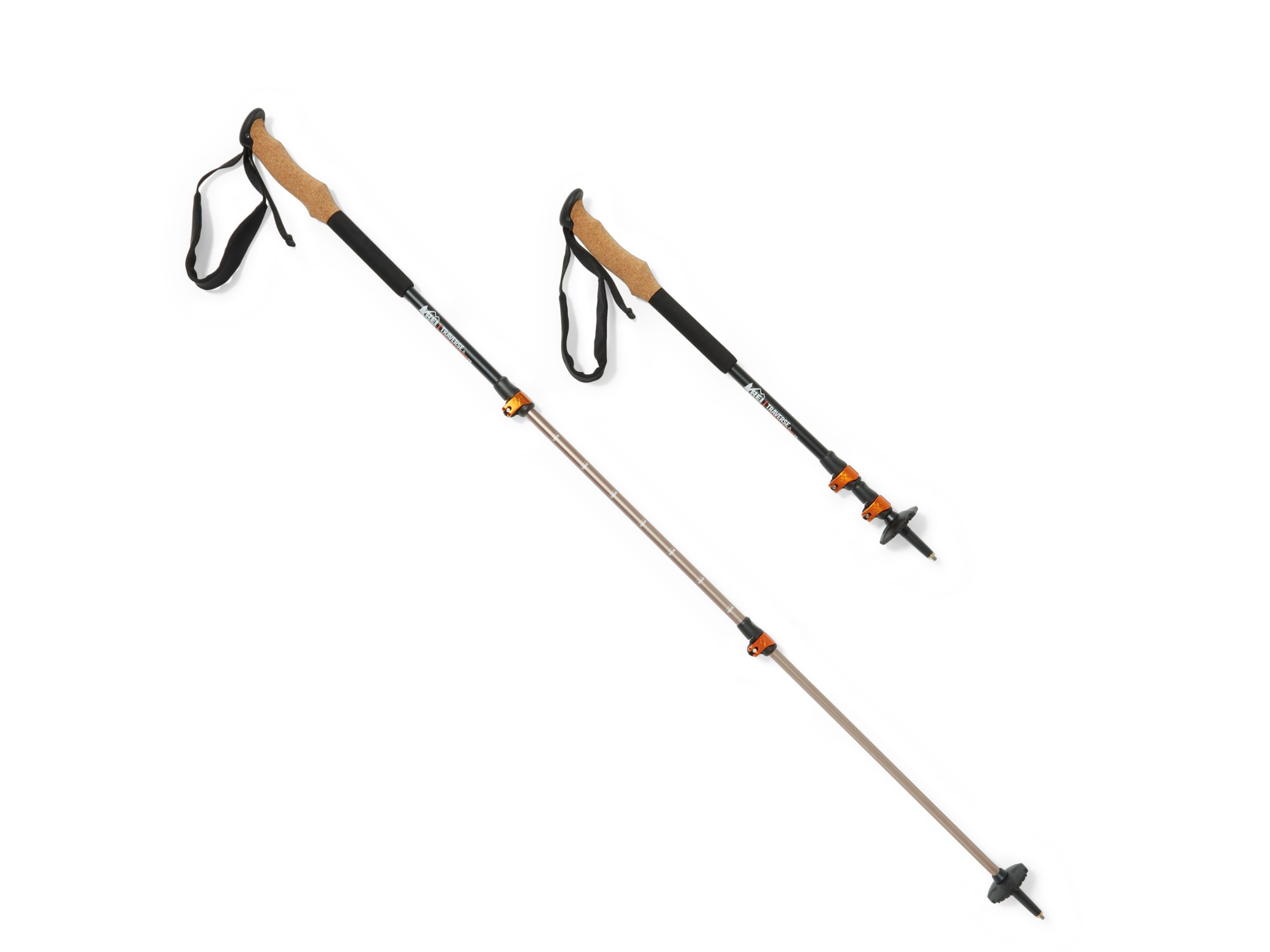

REI Hiking Poles: How to Choose and Use the Right Pair
Hiking poles can make a long trail feel more manageable by adding stability and helping you keep a steady rhythm. REI sells trekking poles from a range of outdoor brands, as well as REI Co-op options. The best pair depends on where you hike, how often you use poles, and what features matter most to you.
Why Use Hiking Poles?
Poles provide extra points of contact with the ground, which can help you feel more balanced on uneven trails, loose gravel, and slippery sections. Many hikers also find poles useful on steep climbs and descents. They can help distribute some of the work between your arms and legs, though they do not eliminate the effort of hiking or prevent every slip or injury.
Hiking poles can also help you maintain a comfortable pace, move through shallow water, or check the depth of mud and snow. On established trails, be mindful of where you place the tips to avoid damaging plants or disturbing wildlife.
What to Look for in REI Hiking Poles
Adjustable or Fixed Length
Adjustable poles let you change their length for different terrain. Shortening them can feel more comfortable on steep climbs, while lengthening them may help on descents. Fixed-length poles are simple and can be lighter, but they are less versatile. Collapsible models are convenient to pack, and telescoping models commonly adjust by sliding sections in or out.
Materials and Weight
Aluminum poles are generally durable and often cost less, but they can be heavier. Carbon-fiber poles are typically lighter and may reduce weight on long hikes, but can cost more and may be less tolerant of certain impacts. Compare the weight of the pair, not just the weight of one pole, and consider how that trade-off fits your needs.
Grips and Straps
Grip materials include cork, foam, and rubber. Cork can feel comfortable over long distances, while foam is soft and absorbs moisture. Rubber grips can be useful in cold weather but may feel less comfortable during warm hikes. A well-adjusted strap can help you hold the pole with a relaxed grip. Check that the straps are easy to adjust and sit comfortably on your hands.
Locking Mechanisms and Tips
Poles may use lever locks, twist locks, or other adjustment systems. Lever locks are easy to inspect and operate, including when wearing gloves; twist locks have a streamlined design. Whichever type you choose, make sure the sections lock securely and follow the manufacturer’s instructions. Carbide tips can provide traction on many trails, while rubber tip covers are useful on pavement or surfaces where you want to reduce noise and protect the ground.
How to Set Pole Length
On level ground, adjust the poles so your elbows are close to a right angle when you hold the grips with the tips on the ground. This is a starting point, not a rule: comfort and terrain may call for small adjustments. Keep the poles within their marked adjustment limits, and check that each section is locked before setting off.
Tips for Using Hiking Poles
- Start with a relaxed grip and let the wrist straps support your hands without restricting circulation.
- On level ground, try moving the opposite pole and foot forward together to establish a natural rhythm.
- Shorten the poles slightly for uphill sections and lengthen them when descending, if your model allows it.
- Plant the tips securely, but avoid jabbing them forcefully into the ground.
- Use caution near cliffs, streams, and other hazards; poles are an aid to balance, not a substitute for careful footing.
Care and Maintenance
After a hike, wipe dirt and moisture from the pole sections. If the poles have been exposed to mud or salt, clean them according to the manufacturer’s care instructions. Let the sections dry fully before storing them, and check the locks, tips, baskets, and straps for wear. Do not overtighten an adjustment mechanism, and replace worn parts when appropriate.
Finding the Right Pair at REI
When comparing hiking poles at REI, consider the trails you hike most often, how compact the poles need to be, and whether low weight or durability is your priority. Check current product specifications for length range, packed size, weight, materials, and included accessories, since features vary by model. Trying a pair in person can help you judge the grip, strap fit, and locking system before choosing.
A comfortable, properly adjusted pair of REI hiking poles can be a practical addition to a day-hiking kit or backpacking setup. Choose poles that suit your terrain and hiking style, then practice using them on an easy trail before relying on them for a longer outing.
7 Reasons Why REI Hiking Poles Enhance Your Outdoor Adventure
- Add stability on uneven trails
- Help maintain a steady hiking rhythm
- Adjustable models suit varied terrain
- Collapsible designs pack easily
- Multiple grip styles offer comfort options
- Choices include lightweight materials
- Useful for climbs and descents
Considerations Before Buying REI Hiking Poles: Cost, Bulkiness, Lock Adjustments, and Replacement Expenses
- Prices can be high for premium models.
- Some poles feel bulky when packed.
- Locks may need occasional adjustment.
- Carbon-fiber models can be costly to replace.
Add stability on uneven trails
REI hiking poles can add stability on uneven trails by giving you extra points of contact with the ground. They may help you stay balanced on rocky paths, loose gravel, and muddy sections, while making it easier to adjust your footing as the terrain changes. Use them as a helpful aid—not a substitute for careful steps and sound judgment.
Help maintain a steady hiking rhythm
REI hiking poles can help hikers maintain a steady rhythm by coordinating each pole plant with a step. This gentle, repeatable motion can make it easier to keep a consistent pace on long trails and varied terrain. With a comfortable grip and properly adjusted length, poles can support a natural stride without forcing you to move faster than feels right.
Adjustable models suit varied terrain
Adjustable REI hiking poles are versatile companions on trails that change from one stretch to the next. You can shorten them for steep climbs, lengthen them for descents, and fine-tune the fit on level ground for a comfortable stride. This flexibility makes adjustable models a practical choice for hikers who explore varied terrain or want one pair of poles for different outings.
Collapsible designs pack easily
Collapsible REI hiking poles are easy to pack when you’re not using them. Their sections fold or shorten to fit neatly in a backpack, making them convenient for travel, trail approaches, and hikes where you only want poles for certain sections.
Multiple grip styles offer comfort options
REI hiking poles come with different grip styles, giving hikers options to match their comfort preferences and conditions. Cork grips can mold to the hand over time and help manage moisture, foam grips feel soft and absorb sweat, and rubber grips can be useful in colder weather. Choosing a grip that feels comfortable in your hand can make a noticeable difference on long hikes, especially when you’re using poles for hours at a time.
Choices include lightweight materials
REI offers hiking poles made with lightweight materials, including options designed to reduce the weight you carry on the trail. Lighter poles can feel easier to swing with each step and may be especially appealing for long hikes or backpacking trips, when every ounce matters. Compare materials, durability, and price to find a pair that fits your needs.
Useful for climbs and descents
REI hiking poles can be especially useful on climbs and descents, where changing terrain calls for extra balance and support. Shortening the poles on uphill sections and lengthening them for downhill stretches can help you find a comfortable rhythm and place each step with more confidence.
Prices can be high for premium models.
One drawback of REI hiking poles is that premium models can be expensive. Lightweight materials such as carbon fiber, advanced locking systems, and added features may raise the price, which can be hard to justify for occasional hikers or those on a tight budget. Comparing models and considering how often you’ll use the poles can help you decide whether the extra cost is worthwhile.
Some poles feel bulky when packed.
Some REI hiking poles can feel bulky when packed, especially telescoping models that don’t collapse very small. They may take up valuable space in a backpack or be awkward to attach to the outside, which can be inconvenient when you’re not using them. Check a pole’s packed length and folding design before buying to make sure it fits your gear and travel plans.
Locks may need occasional adjustment.
One potential drawback of REI hiking poles is that their locking mechanisms may need occasional adjustment to keep the pole sections secure. If a lock loosens, a pole can slip shorter under pressure, which may be inconvenient or affect stability on the trail. Check the locks before each hike and follow the manufacturer’s instructions for tightening them; avoid overtightening, which could damage the mechanism.
Carbon-fiber models can be costly to replace.
One potential downside of carbon-fiber REI hiking poles is the cost of replacement. Although their lightweight design can be appealing on long hikes, a damaged shaft or worn component may be expensive to repair or replace, depending on the model and warranty coverage. Hikers who frequently tackle rocky or rugged trails may want to compare replacement-part availability and costs with those of aluminum poles before buying.


