

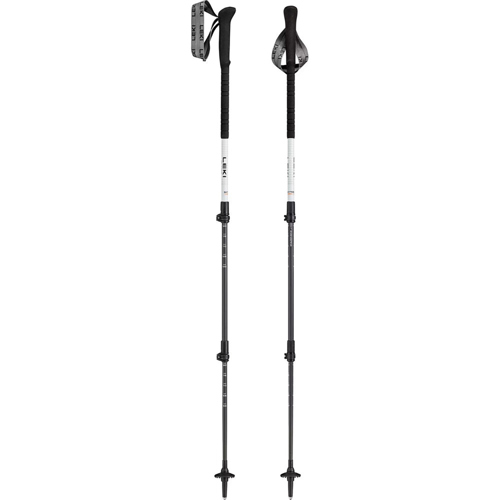

LEKI Hiking Poles: A Practical Guide for the Trail
Hiking poles can make a long walk feel steadier and more comfortable, especially on steep, uneven, or slippery terrain. LEKI is a well-known outdoor equipment brand that makes hiking and trekking poles for a range of activities. The right pair can help hikers find a rhythm, improve balance, and share some of the work between their legs and upper body.
Why Use Hiking Poles?
Poles provide extra points of contact with the ground. On ascents, they can help hikers maintain a consistent pace and support balance. On descents, they offer stability and can help hikers feel more secure on loose or irregular surfaces. They can also be useful when crossing shallow streams or walking with a loaded backpack.
Poles are not a substitute for appropriate footwear, sound judgment, or careful footing. They work best as part of a safe hiking routine, with the tips planted where they can provide reliable support.
What to Look for in LEKI Poles
Adjustability and Folding Style
Hiking poles commonly use telescoping sections or a folding design. Adjustable poles can be lengthened or shortened to suit different slopes and users. Folding poles often pack down compactly, which can be convenient when traveling or storing them in a backpack. The best style depends on how you plan to hike and how often you need to stow your poles.
Materials and Weight
LEKI poles are available in different materials and configurations. Lighter poles can be appealing for long days or fast-paced hikes, while other designs may prioritize durability or value. Consider the terrain, distance, and amount of gear you typically carry when comparing options.
Grip and Strap Comfort
A comfortable grip matters when you use poles for hours at a time. Look for a handle shape and material that feel secure in your hand. The straps should support a relaxed grip without rubbing or restricting movement. If possible, try the poles on with the gloves you expect to wear on the trail.
Locking Mechanism and Accessories
Adjustable poles rely on a locking mechanism to hold their length. Before a hike, check that each section is secure and does not slip under pressure. Depending on the model and conditions, baskets and interchangeable tips can also be useful. Follow the manufacturer’s instructions when adjusting or replacing parts.
How to Choose the Right Pair
Start with the kind of hiking you do most often. For day hikes on varied terrain, a versatile adjustable pair may be a good fit. Hikers who prioritize compact storage may prefer a folding design. If you regularly cover long distances, comfort and weight deserve particular attention.
Fit is important, too. On relatively flat ground, a properly adjusted pole generally allows the elbow to bend at about a right angle while holding the grip. Shorten the poles somewhat for uphill travel and lengthen them for downhill sections as needed. Exact adjustments depend on your body, technique, and the trail.
Using Hiking Poles Effectively
Walk naturally rather than reaching far ahead with every step. Many hikers find a comfortable rhythm by planting the opposite pole as the opposite foot moves forward. On steep or technical terrain, slow down and place each pole deliberately. Keep your hands relaxed, and avoid leaning heavily on a pole that is planted on unstable ground.
When crossing a stream, test the bottom carefully before putting your weight on a pole. In winter conditions, use equipment suited to the terrain and check that the pole tips and baskets are appropriate. On crowded trails, keep poles close to your body so they do not catch or strike other hikers.
Care and Maintenance
- Wipe dirt and moisture from the poles after use.
- Allow sections to dry before storing them, especially after wet or muddy hikes.
- Inspect tips, baskets, straps, and locking mechanisms regularly.
- Store poles as directed by the manufacturer, without forcing sections or locks.
- Replace worn parts with compatible components and follow the product instructions.
Conclusion
LEKI hiking poles offer hikers options for different trails, preferences, and packing needs. Choosing a pair comes down to fit, comfort, adjustability, weight, and the type of terrain you expect to encounter. With a secure setup and practiced technique, hiking poles can be a useful addition to a trail kit.
7 Benefits of LEKI Hiking Poles for Comfort, Stability, and Versatility on the Trail
- Improve balance on uneven trails
- Add support on steep climbs
- Help steady descents
- Offer adjustable length options
- Provide comfortable grip choices
- Fold or collapse for easy storage
- Suit a variety of hiking conditions
7 Drawbacks of LEKI Hiking Poles to Consider Before Buying
- Can be expensive compared with basic poles.
- Some models may feel heavy on long hikes.
- Folding models can cost more than simple telescoping poles.
- Locking mechanisms may need occasional adjustment.
- Replacement parts can add to the overall cost.
- Pole tips may wear down with frequent use.
- Not every model suits every hand size or hiking style.
Improve balance on uneven trails
LEKI hiking poles can help improve balance on uneven trails by giving you extra points of contact with the ground. Their support can make it easier to steady yourself on rocky paths, loose gravel, roots, or muddy sections, helping you move with greater confidence. For best results, plant each pole securely and adjust your pace to the terrain.
Add support on steep climbs
LEKI hiking poles can provide extra support on steep climbs by giving hikers additional points of contact and helping them maintain balance on uneven terrain. Planting the poles as you move can also help establish a steady rhythm and engage your upper body, making the ascent feel more controlled. Adjust the pole length for the slope, and place each tip securely before leaning on it.
Help steady descents
LEKI hiking poles can help make descents feel steadier by giving you extra points of contact with the ground. Planting the poles carefully as you move downhill can support your balance and help you navigate uneven or loose terrain with greater confidence. They work best when adjusted to a comfortable length and used alongside cautious footing.
Offer adjustable length options
LEKI hiking poles offer adjustable length options, making it easy to tailor them to your height, hiking style, and the terrain. Shorten the poles for uphill climbs and lengthen them for descents to help maintain a comfortable, balanced stride. Their adjustable design also makes them easier to share among hikers or pack away when not in use.
Provide comfortable grip choices
LEKI hiking poles offer grip choices designed to keep hands comfortable on the trail. Depending on the model, hikers can choose handles shaped for a secure, natural hold, with materials that help manage moisture and reduce discomfort during long walks. A well-fitting grip can make poles easier to use on climbs, descents, and uneven terrain—especially when paired with properly adjusted straps.
Fold or collapse for easy storage
LEKI hiking poles that fold or collapse are easy to pack when the trail gets less demanding or when you reach your destination. Their compact size makes them convenient to store in a backpack, car, or closet, and simple to carry while traveling. This practical design lets hikers keep poles close at hand without taking up unnecessary space.
Suit a variety of hiking conditions
LEKI hiking poles are designed to suit a variety of hiking conditions, from steady trails and steep climbs to uneven ground and slippery descents. Adjustable lengths and interchangeable accessories on select models let hikers adapt their setup to changing terrain, while dependable grips and locking systems help provide support along the way. Whether exploring a local path or tackling a longer backcountry route, the right LEKI poles can offer added balance and comfort across many types of hikes.
Can be expensive compared with basic poles.
One potential drawback of LEKI hiking poles is their price: they can cost more than basic poles, which may be a concern for occasional hikers or people shopping on a tight budget. Their features and construction may appeal to frequent trail users, but it’s worth comparing models and considering how often you’ll use them before spending extra.
Some models may feel heavy on long hikes.
Some LEKI hiking pole models may feel heavy during long hikes, especially when every ounce matters or you’re covering steep terrain for hours. The extra weight can contribute to arm fatigue over time, so hikers planning long-distance trips may want to compare model weights and consider a lighter option that still meets their needs for comfort and durability.
Folding models can cost more than simple telescoping poles.
One downside of LEKI folding hiking poles is that they can cost more than basic telescoping models. Their compact design may be convenient for packing and storage, but hikers on a budget might prefer a simpler telescoping pair that offers the features they need at a lower price.
Locking mechanisms may need occasional adjustment.
One potential drawback of LEKI hiking poles is that their locking mechanisms may need occasional adjustment to stay secure. If a lock loosens or slips, the pole can change length during use, which may be inconvenient on the trail. Checking the locks before each hike and following the manufacturer’s adjustment instructions can help keep the poles working reliably.
Replacement parts can add to the overall cost.
One potential downside of LEKI hiking poles is that replacement parts can add to their overall cost over time. Tips, baskets, straps, or other components may need replacing after regular use or damage, and the expense can make ongoing maintenance more costly than expected. Checking parts availability and prices before buying can help you estimate the long-term cost.
Pole tips may wear down with frequent use.
One potential drawback of LEKI hiking poles is that their tips can wear down with frequent use, particularly on rough or abrasive surfaces such as rock and pavement. Worn tips may provide less grip, so it’s a good idea to inspect them regularly and replace them when needed.
Not every model suits every hand size or hiking style.
One drawback of LEKI hiking poles is that not every model suits every hand size or hiking style. Grip shape, strap design, pole length, and adjustment mechanisms can feel different from one model to another, so a pair that works well for one hiker may be uncomfortable or impractical for someone else. Trying the poles before buying, when possible, can help ensure a better fit.


