

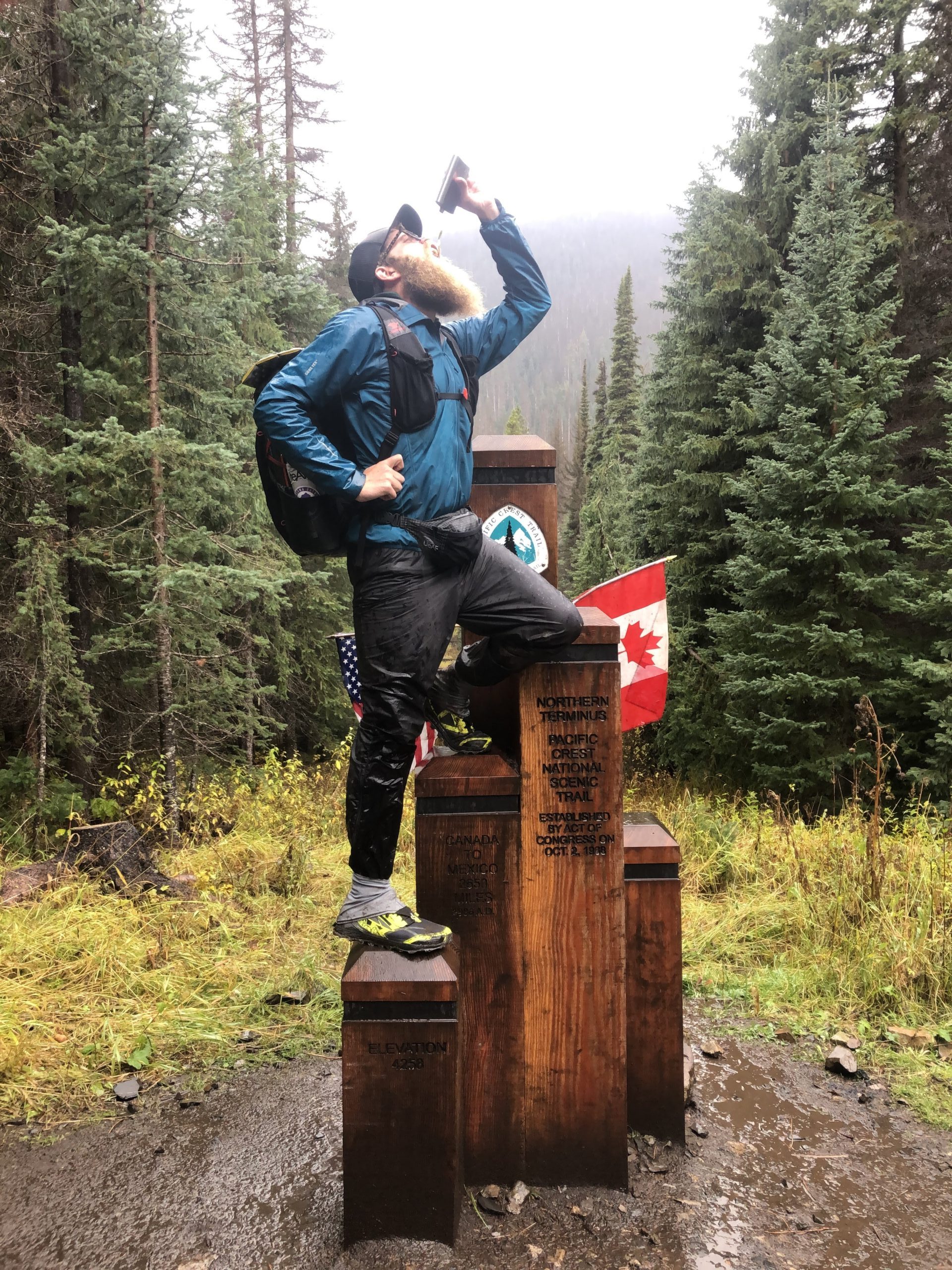

Planning a PCT Hike: What to Know Before You Go
A hike on the Pacific Crest Trail is a chance to experience some of the most striking landscapes in the western United States. The trail stretches roughly 2,650 miles from the California-Mexico border to the Washington-Canada border, passing through California, Oregon, and Washington. Along the way, hikers encounter desert, forests, mountain passes, alpine lakes, and volcanic scenery.
Some people hike the entire route in one season. Others explore it in shorter sections over several trips. Either way, careful planning is essential: the trail is remote in many places, conditions can change quickly, and permits and access rules vary by location.
Choose Your Hiking Goal
A thru-hike covers the full trail in one continuous journey, usually taking several months. It requires a major commitment of time, money, preparation, and flexibility. A section hike lets you focus on a particular region or distance, making it easier to fit a PCT experience around work, school, or other responsibilities.
Consider your experience, available time, fitness, and comfort with carrying supplies before choosing a route. If you are new to long-distance hiking, a shorter section can be a practical way to learn how your gear and pace work on the trail.
Plan Your Timing
Weather and seasonal conditions shape the PCT experience. The southern sections can be extremely hot and dry, while high-elevation parts of the Sierra Nevada may hold snow well into the hiking season. In the north, early-season snow, rain, and cold can affect travel and safety.
There is no single ideal start date for every hiker. Your timing should account for snow conditions, heat, water availability, daylight, and the pace you expect to maintain. Check current trail reports and forecasts as your trip approaches, and be ready to change plans if conditions make a route unsafe.
Permits and Trail Rules
Permit requirements depend on where and how far you plan to hike. Long-distance permits may be available for eligible trips, while other sections require permits from local land-management agencies. Some areas also have rules for campfires, food storage, camping locations, and group size.
Research requirements before setting out, and confirm that your permit covers your specific itinerary. Regulations can change, and a permit for one section does not necessarily replace local permits elsewhere. Check official information from the Pacific Crest Trail Association and the relevant park, forest, or land-management agency.
Prepare Your Gear and Resupply Plan
For a PCT hike, gear should be reliable, suited to the conditions, and comfortable to carry for long distances. Common essentials include a shelter, sleeping system, appropriate footwear, layered clothing, navigation tools, a first-aid kit, and a way to carry and treat water. Snow travel may require additional equipment and experience.
Food and water planning are especially important in dry sections and remote areas. Study the distance between dependable water sources and resupply points, and carry enough supplies for the conditions. Water sources may be seasonal or unavailable, so verify recent reports rather than relying only on older maps or guidebooks.
Practice Leave No Trace
The PCT passes through fragile ecosystems and popular public lands. Protect the trail by packing out trash, camping in permitted or established areas, respecting wildlife, and following local fire restrictions. Store food as required in each area, and avoid disturbing plants, animals, and historic sites.
Trail conditions and access can change because of wildfire, storms, maintenance, or other hazards. Check for closures before and during your hike, follow posted instructions, and do not enter closed areas. A detour or postponed trip is better than putting yourself or others at risk.
Take the Trail at Your Own Pace
A PCT hike is not a race. Build your distance gradually, take breaks when needed, and pay attention to signs of fatigue, dehydration, or injury. Reliable navigation and a backup communication plan are valuable, particularly where cell service is limited.
Whether you hike a short stretch or set out for the full trail, the PCT rewards thoughtful preparation and a flexible attitude. Plan around the conditions, respect the land, and leave room to enjoy the experience along the way.
8 Essential Tips for Hiking the Pacific Crest Trail
- Train with a loaded pack before you go.
- Break in your hiking boots early.
- Carry a reliable water filter.
- Check weather and trail conditions daily.
- Start with manageable mileage.
- Protect yourself from sun and cold.
- Store food securely in bear country.
- Pack out all trash and follow Leave No Trace.
Train with a loaded pack before you go.
Before heading out on a PCT hike, train with the pack you plan to carry, gradually increasing its weight and your distance. This helps your body adjust to the extra load, builds strength and endurance, and gives you a chance to check that your pack fits comfortably. Start with shorter walks on varied terrain, then increase the challenge over time. Adjust straps and redistribute gear if you notice rubbing, pressure points, or discomfort—small fixes during training can prevent bigger problems on the trail.
Break in your hiking boots early.
Break in your hiking boots well before your PCT hike—not on the trail. Wear them on short walks first, then gradually take them on longer hikes with the socks and pack you plan to use. This helps soften stiff materials, reveal uncomfortable pressure points, and give your feet time to adjust. If the boots cause persistent pain or blisters, try a different fit before your trip; comfortable, well-tested footwear can make a long day on the trail much easier.
Carry a reliable water filter.
Carry a reliable water filter on your PCT hike so you can safely treat water from streams, lakes, and other natural sources. Check your filter before leaving, learn how to use and maintain it, and carry a backup treatment method in case it clogs, freezes, or breaks. Because water sources can be far apart or unreliable, check recent trail conditions and plan how much water you’ll need between stops.
Check weather and trail conditions daily.
Check weather forecasts and trail conditions every day before and during your PCT hike. Mountain weather can change quickly, and snow, heat, storms, wildfire, or trail closures may affect your route and safety. Use reliable, up-to-date sources, pay attention to local advisories, and be prepared to adjust your plans when conditions change.
Start with manageable mileage.
Start your PCT hike with manageable daily mileage, even if you feel fit and eager to cover ground. Your body needs time to adapt to carrying a pack and hiking day after day, so begin with shorter distances and increase them gradually. This helps reduce the risk of blisters, overuse injuries, and exhaustion, while giving you time to adjust your pace, gear, and routine.
Protect yourself from sun and cold.
Protect yourself from both sun and cold on a PCT hike, where conditions can shift with elevation, weather, and exposure. Wear a wide-brimmed hat, sunglasses, and breathable clothing that covers your skin, and apply and reapply sunscreen. Carry warm layers, including a hat and gloves, so you can adjust when temperatures drop, especially at night or on exposed mountain sections. Check the forecast, and don’t wait until you feel uncomfortable to add protection.
Store food securely in bear country.
In bear country, store all food, trash, toiletries, and other scented items securely to keep wildlife from becoming used to human food and to protect your supplies. Follow local rules, which may require a bear canister or an approved food-storage system, and use the designated method correctly. Keep food away from your tent, never leave it unattended, and check current regulations before your hike, since requirements vary by area.
Pack out all trash and follow Leave No Trace.
Pack out all trash on your PCT hike, including food wrappers, tissues, and other small items, and dispose of it properly when you reach a suitable location. Follow Leave No Trace practices by camping responsibly, respecting wildlife, and leaving natural and historic features undisturbed. These simple habits help protect the trail’s fragile landscapes and keep the experience enjoyable for everyone.


