

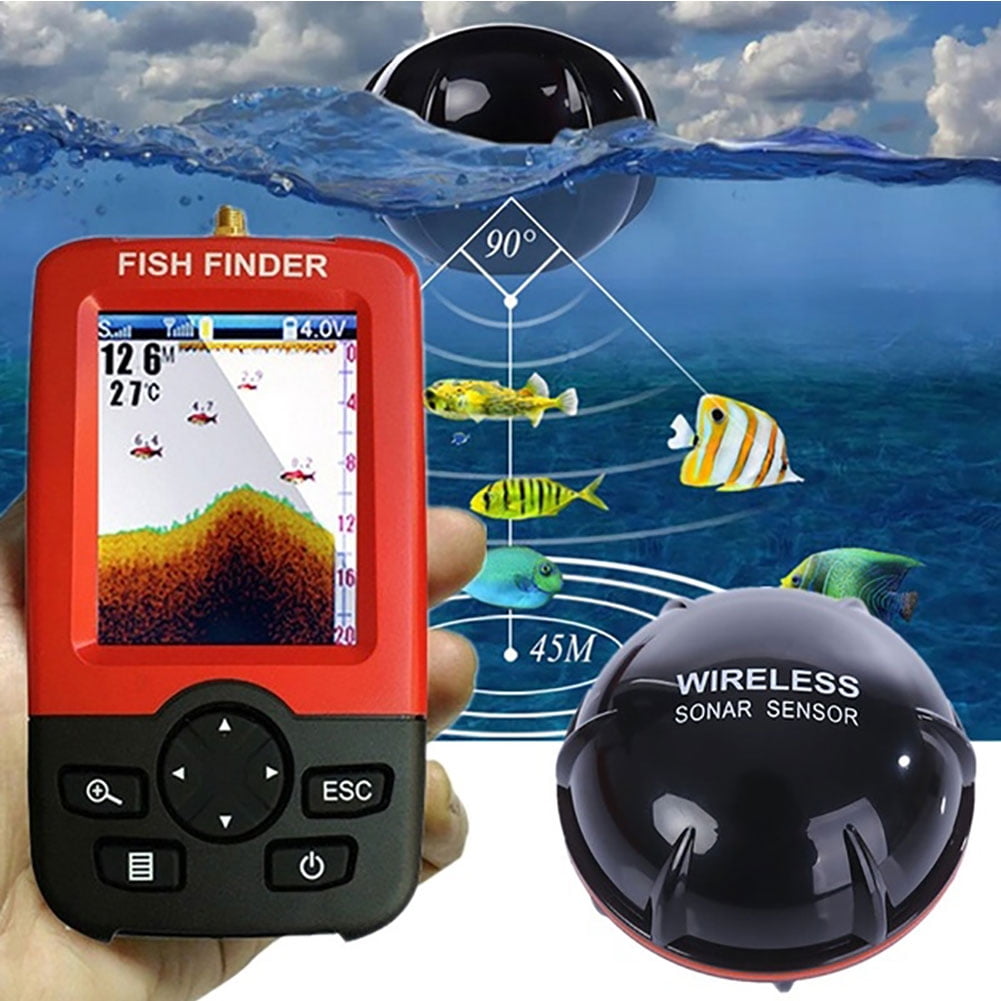

A depth finder, also known as a fishfinder or echo sounder, is a valuable tool used by fishermen, boaters, and marine enthusiasts to determine the depth of water beneath their vessel. This electronic device utilizes sonar technology to measure the distance between the water’s surface and the seabed or lake bottom.
Depth finders work by emitting sound waves from a transducer mounted on the boat’s hull. These sound waves travel through the water until they encounter an object or the seabed, where they are reflected back to the transducer. The device then calculates the time it takes for the sound waves to return and converts this information into depth readings displayed on a screen.
One of the primary benefits of using a depth finder is its ability to provide real-time information about underwater topography, including changes in depth, submerged structures, and potential hazards such as rocks or debris. This data allows boaters to navigate safely and avoid running aground in shallow waters.
Furthermore, depth finders can help fishermen locate schools of fish by identifying underwater features where fish are likely to congregate, such as drop-offs, ledges, or submerged vegetation. By pinpointing these hotspots, anglers can improve their chances of a successful catch and make their fishing trips more productive.
Modern depth finders come equipped with advanced features such as GPS integration, mapping capabilities, and side-scanning technology that provide users with detailed underwater imagery and enhance their overall boating or fishing experience. Whether you’re a recreational boater exploring new waters or a seasoned angler searching for your next big catch, a depth finder is an essential tool that can help you navigate confidently and make the most of your time on the water.
Essential FAQs About Depth Finders: Understanding Their Function, Benefits, and Key Features
- How does a depth finder work?
- What are the benefits of using a depth finder?
- How can a depth finder help fishermen?
- What features should I look for in a modern depth finder?
- Is GPS integration important in a depth finder?
- Can a depth finder help me avoid underwater hazards?
How does a depth finder work?
A depth finder, also known as a fishfinder or echo sounder, works by utilizing sonar technology to measure the distance between the water’s surface and the seabed or lake bottom. This electronic device emits sound waves from a transducer mounted on the boat’s hull, which travel through the water until they encounter an object or the seabed. The sound waves are then reflected back to the transducer, allowing the device to calculate the time it takes for them to return. By converting this information into depth readings displayed on a screen, a depth finder provides real-time data on underwater topography, helping boaters navigate safely and fishermen locate potential hotspots for fishing.
What are the benefits of using a depth finder?
Using a depth finder offers a multitude of benefits for boaters and fishermen alike. One of the key advantages is the ability to accurately determine water depth, which is crucial for safe navigation and avoiding underwater obstacles. Additionally, depth finders help users identify underwater structures and features, such as drop-offs, reefs, or submerged vegetation, that are often prime fishing spots. By providing real-time depth readings and detailed underwater imagery, these devices enable boaters to make informed decisions while on the water and increase their chances of a successful and enjoyable boating or fishing experience.
How can a depth finder help fishermen?
A depth finder can be a valuable asset for fishermen in several ways. By providing real-time information on water depth and underwater structures, a depth finder helps fishermen identify potential fishing spots where fish are likely to gather, such as drop-offs, ledges, or submerged vegetation. This allows fishermen to target specific areas more effectively and increase their chances of a successful catch. Additionally, a depth finder can help fishermen navigate safely in unfamiliar waters by alerting them to shallow areas or underwater hazards that could pose a risk to their vessel. Overall, the detailed data and insights provided by a depth finder can significantly enhance a fisherman’s ability to locate fish, improve their fishing technique, and make their fishing trips more rewarding and enjoyable.
What features should I look for in a modern depth finder?
When considering features in a modern depth finder, there are several key aspects to keep in mind to ensure you get the most out of your investment. Look for a depth finder that offers high-frequency sonar capabilities for greater detail and accuracy in depth readings, especially in shallow waters. GPS integration is another essential feature that provides precise location data and allows you to mark waypoints for future reference. Advanced mapping functions can help you navigate unfamiliar waters with ease and identify underwater structures or fish-holding areas. Additionally, consider a depth finder with side-scanning technology for comprehensive coverage of the underwater environment and enhanced fish-finding capabilities. Lastly, user-friendly interfaces, customizable display options, and durable construction are important factors to consider when choosing a modern depth finder that meets your specific boating or fishing needs.
Is GPS integration important in a depth finder?
GPS integration in a depth finder is highly important for boaters and fishermen seeking enhanced navigation and fishing capabilities. By combining GPS technology with depth-finding functionality, users can pinpoint their exact position on the water, create waypoints, track routes, and access detailed maps of the underwater terrain. This integration not only improves navigation accuracy but also enables anglers to mark productive fishing spots, track their movements, and plan efficient routes for optimal fishing success. Overall, GPS integration in a depth finder adds a valuable layer of convenience, safety, and efficiency to any marine adventure.
Can a depth finder help me avoid underwater hazards?
Yes, a depth finder can be a valuable tool in helping you avoid underwater hazards while navigating bodies of water. By providing real-time depth readings and underwater topographical information, a depth finder enables boaters to identify potential dangers such as rocks, reefs, sandbars, or submerged debris that may pose a risk to their vessel. With the ability to visualize the underwater landscape and detect sudden changes in depth, boaters can safely navigate through unfamiliar waters and steer clear of hazards that could lead to grounding or damage to their boat. Utilizing a depth finder as part of your navigation equipment can enhance safety on the water and give you peace of mind while exploring new or challenging marine environments.


