

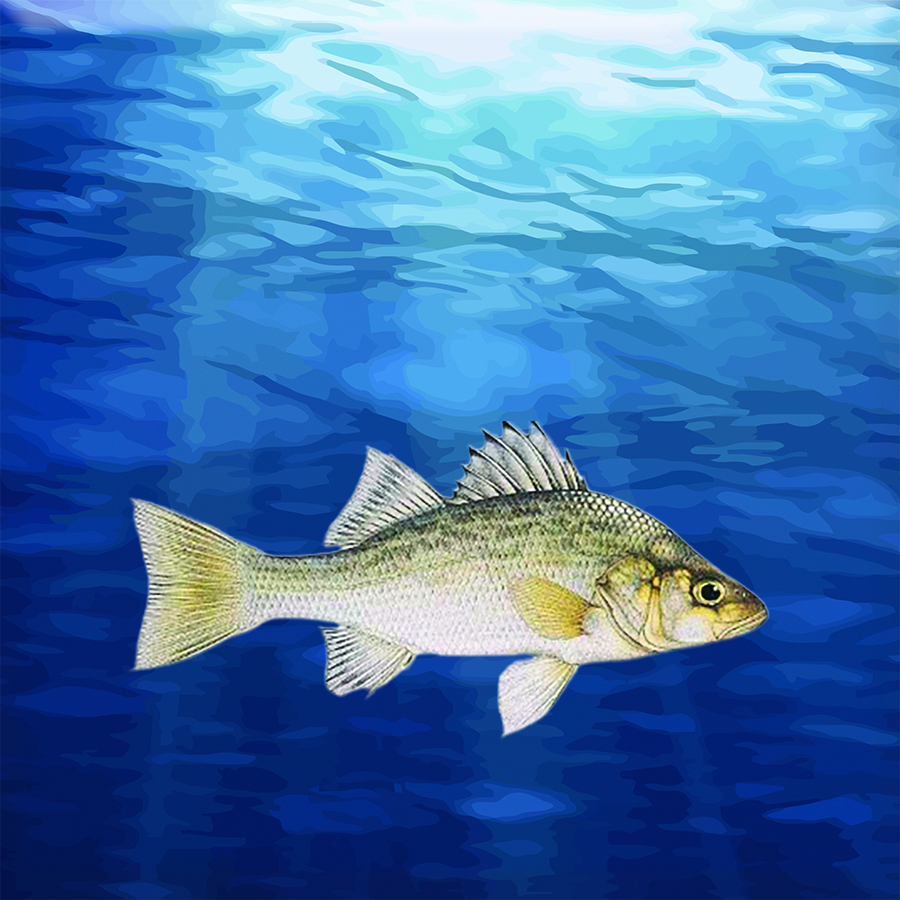

The White Perch: A Popular Freshwater Fish
White perch, scientifically known as Morone americana, is a popular freshwater fish species found in the rivers, lakes, and estuaries of North America. Known for its delicious taste and abundance in certain regions, white perch has become a favorite among anglers and seafood enthusiasts alike.
Physical Characteristics
White perch typically have silvery-white bodies with dark horizontal stripes along their sides. They have a streamlined shape with a deeply forked tail fin, making them swift swimmers in the water. On average, white perch can grow up to 10-12 inches in length and weigh around 1-2 pounds.
Habitat and Behavior
White perch are known to inhabit freshwater environments such as rivers, lakes, ponds, and reservoirs. They prefer areas with moderate vegetation and rocky structures where they can find shelter and food. White perch are opportunistic feeders, consuming a variety of aquatic insects, small fish, crustaceans, and plant matter.
Fishing Tips
Anglers often target white perch for their sporty behavior and delectable meat. When fishing for white perch, using light tackle with small jigs or live bait such as worms or minnows can be effective. White perch are known to school together in large numbers during certain times of the year, making them easier to locate and catch.
Culinary Delights
White perch is prized for its mild-flavored flesh that is firm yet tender when cooked. It can be prepared in various ways including pan-frying, baking, grilling, or even used in soups and stews. The delicate flavor of white perch pairs well with herbs, spices, and citrus accents.
Conservation Status
While white perch populations are generally stable across their range, overfishing and habitat degradation can pose threats to their sustainability. Responsible fishing practices and habitat conservation efforts are essential to ensure the continued presence of this beloved freshwater species.
9 Essential Tips for Catching and Enjoying White Perch
- White perch are freshwater fish that can be found in rivers, lakes, and estuaries.
- They have silvery-white bodies with dark stripes running along their sides.
- White perch are known for their aggressive feeding behavior and can be caught using a variety of baits such as worms, minnows, and small lures.
- They prefer to feed during dawn and dusk hours when they are most active.
- White perch are popular among anglers for their fighting spirit and delicious taste when cooked fresh.
- When fishing for white perch, look for areas with structure such as submerged logs, rocks, or vegetation where they like to hide and ambush prey.
- Using light tackle is recommended when targeting white perch due to their relatively small size compared to other game fish species.
- Always check local fishing regulations regarding catch limits and size restrictions for white perch in the area you plan to fish.
- Practice catch-and-release whenever possible to help conserve white perch populations for future generations of anglers.
White perch are freshwater fish that can be found in rivers, lakes, and estuaries.
White perch, a species of freshwater fish, are commonly found in a variety of aquatic habitats, including rivers, lakes, and estuaries. Their adaptability to different environments allows them to thrive in diverse ecosystems, making them a popular target for anglers and a key component of many freshwater food webs. Whether you’re fishing in a tranquil lake or exploring the brackish waters of an estuary, the presence of white perch adds to the richness and biodiversity of these aquatic ecosystems.
They have silvery-white bodies with dark stripes running along their sides.
White perch are easily recognizable by their silvery-white bodies adorned with dark stripes that run along their sides. These distinctive markings add to the allure of the white perch and help them blend in with their surroundings in freshwater habitats. The contrast between the light base color and the dark stripes creates a striking appearance, making white perch a visually appealing species for anglers and nature enthusiasts alike.
White perch are known for their aggressive feeding behavior and can be caught using a variety of baits such as worms, minnows, and small lures.
White perch are recognized for their aggressive feeding habits, making them a popular target for anglers. Anglers can successfully catch white perch using a range of baits, including worms, minnows, and small lures. Their voracious appetite and willingness to strike at different offerings make white perch an exciting catch for fishing enthusiasts of all levels.
They prefer to feed during dawn and dusk hours when they are most active.
White perch are known to be most active during dawn and dusk hours, making these times ideal for feeding. Anglers looking to target white perch may have better success by fishing during these periods when the fish are actively seeking food. By understanding the feeding habits of white perch and adjusting their fishing schedule accordingly, anglers can increase their chances of a successful catch.
White perch are popular among anglers for their fighting spirit and delicious taste when cooked fresh.
White perch are highly sought after by anglers for their spirited fight when caught and their delectable taste when prepared fresh. Their feisty nature makes them a fun challenge to reel in, adding excitement to any fishing expedition. Once cooked, white perch offer a flavorful dining experience with their tender and mild flesh that pairs well with a variety of cooking methods and seasonings. Their popularity among anglers and seafood enthusiasts alike speaks to the enduring appeal of this freshwater species.
When fishing for white perch, look for areas with structure such as submerged logs, rocks, or vegetation where they like to hide and ambush prey.
When fishing for white perch, it is essential to target areas with structure such as submerged logs, rocks, or vegetation where they prefer to seek shelter and ambush their prey. These structures provide hiding spots for white perch to wait and strike at passing food sources, making them prime locations for successful fishing outings. By focusing on these strategic spots, anglers increase their chances of encountering and catching white perch in their natural habitat.
Using light tackle is recommended when targeting white perch due to their relatively small size compared to other game fish species.
When targeting white perch, it is advisable to use light tackle, especially considering their relatively small size compared to other game fish species. Light tackle allows anglers to feel the subtle bites of white perch and enhances the overall fishing experience by providing a more delicate touch when reeling in these prized freshwater fish. By using light tackle, anglers can effectively target white perch while enjoying the sporty behavior and delectable meat that these fish are known for.
Always check local fishing regulations regarding catch limits and size restrictions for white perch in the area you plan to fish.
Before heading out to fish for white perch, it is essential to always check local fishing regulations regarding catch limits and size restrictions in the specific area you plan to fish. Adhering to these regulations helps maintain the sustainability of white perch populations and ensures that future generations can continue to enjoy this beloved freshwater species. By staying informed and following the guidelines set forth by local authorities, anglers can contribute to the conservation efforts aimed at preserving the natural balance of aquatic ecosystems where white perch thrive.
Practice catch-and-release whenever possible to help conserve white perch populations for future generations of anglers.
Practicing catch-and-release whenever possible is a crucial tip to help conserve white perch populations for future generations of anglers. By releasing white perch back into the water, especially larger breeding individuals, anglers can contribute to maintaining sustainable fish populations and ensuring that this beloved species thrives for years to come. Responsible fishing practices play a key role in preserving the natural balance of aquatic ecosystems and protecting the biodiversity of our waters.


