

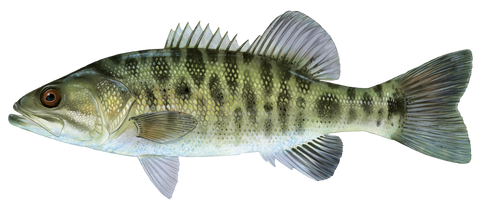

The Fascinating World of Bass
Bass, a popular type of fish found in both freshwater and saltwater environments, is highly sought after by anglers for its size and fighting ability. Known for their powerful strikes and acrobatic leaps, bass provide an exciting challenge for fishing enthusiasts of all levels.
Types of Bass
There are several species of bass, with the most common being:
- Largemouth Bass: Known for their distinctive dark lateral stripe and large mouth, these freshwater fish are prized for their aggressive behavior when hunting prey.
- Smallmouth Bass: Smaller in size compared to largemouth bass, smallmouth bass are known for their bronze coloration and fighting spirit.
- Striped Bass: Found in saltwater environments along the Atlantic coast, striped bass are known for their silver bodies with characteristic dark stripes running along their sides.
Bass Fishing Techniques
Anglers use a variety of techniques to catch bass, including:
- Topwater Fishing: Using lures that float on the surface to entice bass to strike.
- Jigging: Bouncing a jig lure off the bottom to mimic natural prey movement.
- Drop Shotting: Suspending bait above the bottom using a weight to target bass in deeper waters.
- Spinnerbait Fishing: Using spinnerbaits with rotating blades to create vibrations that attract bass.
Conservation Efforts
Due to overfishing and habitat loss, many bass populations have faced challenges in recent years. Conservation efforts such as catch-and-release practices, habitat restoration projects, and fishing regulations help ensure the sustainability of bass populations for future generations of anglers to enjoy.
5 Reasons Why Bass Fishing is a Must-Try for Anglers
- Bass are prized by anglers for their size and fighting ability, providing an exciting challenge for fishing enthusiasts.
- Different species of bass, such as largemouth, smallmouth, and striped bass, offer a variety of fishing experiences in both freshwater and saltwater environments.
- Bass respond well to a range of fishing techniques, allowing anglers to experiment with different methods to lure them in.
- The aggressive nature of bass makes them active predators, resulting in thrilling strikes and acrobatic leaps when hooked.
- Conservation efforts aimed at protecting bass populations ensure the sustainability of these fish for future generations to enjoy.
Challenges Facing Bass Populations: Overfishing, Predation, Invasive Species, and Environmental Threats
- Bass populations can be negatively impacted by overfishing, leading to declines in their numbers.
- Bass are known to be aggressive predators, which can disrupt the balance of ecosystems they inhabit.
- Invasive species like the Northern Snakehead pose a threat to bass populations by competing for resources and habitat.
- Habitat destruction and pollution in water bodies can harm bass populations and their ability to thrive.
Bass are prized by anglers for their size and fighting ability, providing an exciting challenge for fishing enthusiasts.
Bass are highly valued by anglers for their impressive size and remarkable fighting ability, making them a coveted target for fishing enthusiasts. Their powerful strikes and acrobatic leaps offer an exhilarating challenge that keeps anglers engaged and eager to test their skills against these formidable fish. The thrill of battling with a bass on the line adds an element of excitement and satisfaction to the fishing experience, making bass fishing a popular choice for those seeking adventure and adrenaline on the water.
Different species of bass, such as largemouth, smallmouth, and striped bass, offer a variety of fishing experiences in both freshwater and saltwater environments.
Different species of bass, including largemouth, smallmouth, and striped bass, provide a diverse range of fishing opportunities in both freshwater and saltwater settings. Anglers can enjoy the thrill of targeting largemouth bass in freshwater lakes with their aggressive strikes and powerful fights. Smallmouth bass, known for their bronze coloration and feisty nature, offer a unique challenge for anglers seeking adventure. In saltwater environments along the Atlantic coast, striped bass provide an exciting angling experience with their silver bodies and strong swimming abilities. Whether fishing in rivers, lakes, or coastal waters, each species of bass promises a distinct and rewarding fishing experience for enthusiasts of all levels.
Bass respond well to a range of fishing techniques, allowing anglers to experiment with different methods to lure them in.
Bass’s adaptability to a variety of fishing techniques makes them a favorite among anglers. Whether it’s topwater fishing, jigging, drop shotting, or spinnerbait fishing, bass are known to respond well to different methods used to attract them. This flexibility allows anglers to experiment and fine-tune their approach, adding an element of excitement and challenge to the pursuit of these elusive and prized fish.
The aggressive nature of bass makes them active predators, resulting in thrilling strikes and acrobatic leaps when hooked.
The aggressive nature of bass sets them apart as active predators in the aquatic world, leading to thrilling strikes and acrobatic leaps when hooked. Anglers are captivated by the intense fight put up by bass, showcasing their strength and determination as they fiercely resist being caught. This behavior adds an element of excitement to bass fishing, making it a popular choice for those seeking a challenging and exhilarating angling experience.
Conservation efforts aimed at protecting bass populations ensure the sustainability of these fish for future generations to enjoy.
Conservation efforts dedicated to safeguarding bass populations play a crucial role in ensuring the long-term sustainability of these fish for the enjoyment of future generations. By implementing measures such as catch-and-release practices, habitat preservation, and fishing regulations, we can help maintain healthy bass populations in our waters, allowing anglers and nature enthusiasts alike to continue appreciating the beauty and excitement that bass fishing brings for years to come.
Bass populations can be negatively impacted by overfishing, leading to declines in their numbers.
Bass populations can be significantly affected by overfishing, resulting in a decline in their numbers. When bass are caught at a rate faster than they can reproduce, it disrupts the natural balance of their population and can lead to long-term negative consequences for the ecosystem. Overfishing can also impact the overall health of bass populations, affecting their genetic diversity and resilience to environmental changes. Conservation efforts and sustainable fishing practices are crucial to ensure the long-term viability of bass populations and maintain healthy aquatic ecosystems.
Bass are known to be aggressive predators, which can disrupt the balance of ecosystems they inhabit.
Bass are known to be aggressive predators, which can disrupt the balance of ecosystems they inhabit. Their voracious appetite and hunting behavior can lead to a decrease in prey populations, causing ripple effects throughout the food chain. This disruption can impact the overall biodiversity of an ecosystem as other species may struggle to compete for resources or become overexploited. Conservation efforts are crucial to managing bass populations and maintaining the delicate equilibrium of their habitats.
Invasive species like the Northern Snakehead pose a threat to bass populations by competing for resources and habitat.
Invasive species, such as the Northern Snakehead, present a significant challenge to bass populations by disrupting the delicate balance of ecosystems. These aggressive invaders compete with bass for essential resources like food and habitat, leading to potential declines in bass populations. The presence of invasive species like the Northern Snakehead underscores the importance of conservation efforts and proactive measures to protect native species and maintain the health of aquatic environments.
Habitat destruction and pollution in water bodies can harm bass populations and their ability to thrive.
Habitat destruction and pollution in water bodies pose a significant threat to bass populations, impacting their ability to thrive. Bass rely on clean and healthy aquatic environments for breeding, feeding, and shelter. When their habitats are degraded due to factors such as deforestation, urban development, or pollution from agricultural runoff and industrial waste, bass populations suffer. Pollution can disrupt the delicate balance of ecosystems, affecting water quality and the availability of food sources for bass. Conservation efforts aimed at preserving and restoring bass habitats are crucial to ensuring the long-term survival of these iconic fish species.


