

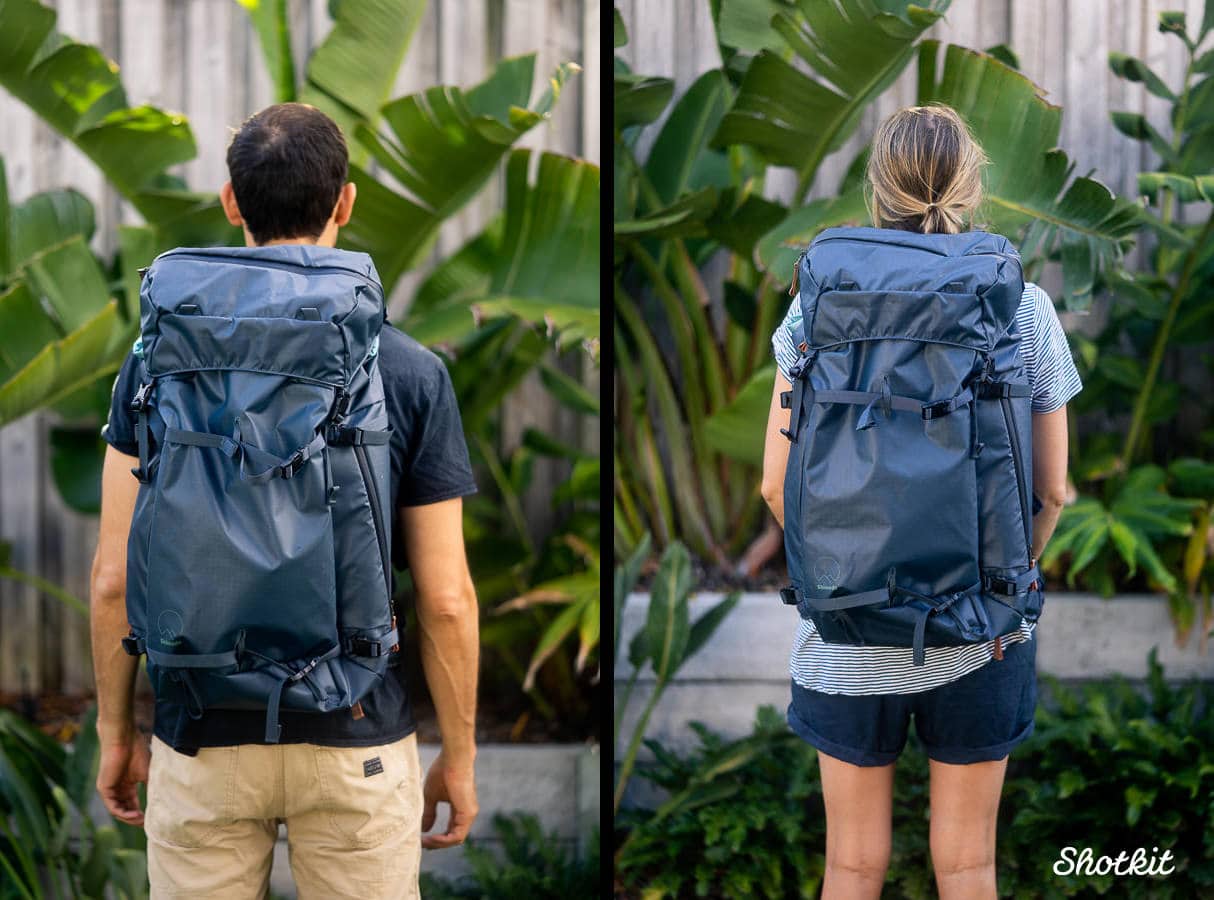

How to Choose the Right Hiking Camera Backpack
A hiking camera backpack needs to do two jobs well: protect camera equipment and carry it comfortably over trails. The right pack keeps a camera and lenses accessible without letting gear shift, while leaving enough room for water, food, layers, and other hiking essentials. A few key considerations can help you find a pack that suits your equipment and the way you hike.
Start with Your Camera Gear
Before comparing backpacks, make a list of the equipment you plan to bring. A compact camera and one lens require much less space than a camera body, several lenses, a drone, or a telephoto lens. Choose a pack with enough capacity for your usual kit, but avoid carrying extra space that encourages unnecessary weight.
Look for padded, adjustable dividers that let you arrange the camera compartment around your gear. Dividers should hold equipment securely without forcing it into a tight fit. If you use a long lens, check the compartment dimensions rather than relying on the backpack’s overall capacity.
Consider Comfort and Fit
Even a well-protected camera pack can become uncomfortable on a long hike. Padded shoulder straps, a supportive hip belt, and a breathable back panel help distribute weight and reduce pressure. A sternum strap can also improve stability, especially on uneven terrain.
Pay attention to how the pack fits your torso. Some backpacks are available in different sizes or have adjustable suspension systems. Whenever possible, try the pack on with the equipment you expect to carry. A comfortable fit matters more than a long list of features.
Make Gear Easy to Reach
Quick access can make a big difference when a fleeting photo opportunity appears. Some packs offer side or rear access to the camera compartment. Side access lets you reach a camera without taking the backpack off, while rear-panel access can provide a wide opening for organizing equipment.
Consider where you want to store everyday hiking items, too. Separate pockets for water, snacks, a map, a phone, and a light jacket help keep frequently used items within reach and prevent them from pressing against delicate camera gear.
Look for Weather Protection
Trail conditions can change quickly, so weather resistance is an important feature. Durable fabric and covered zippers can help protect equipment from light rain and splashes. For heavier rain, a built-in or removable rain cover offers an extra layer of protection.
A rain cover does not replace careful packing. Keep cameras and lenses in padded compartments, and consider using small dry bags for accessories, batteries, or memory cards. After hiking in wet conditions, let the backpack and equipment dry fully before storing them.
Balance Protection with Weight
Extra padding can protect valuable equipment, but it also adds bulk and weight. A dedicated camera backpack provides structured protection and convenient organization. A hiking backpack with a removable camera insert may be a better option for longer trips, especially when carrying additional outdoor gear.
For either style, check the total weight of the loaded pack. Camera equipment can add up quickly, and carrying too much may make a hike tiring or uncomfortable. Bring only the lenses and accessories that suit the planned route and photography.
Useful Features to Compare
- Adjustable dividers: Keep equipment organized and prevent it from shifting.
- Tripod attachment: Look for secure straps or a dedicated pocket if you regularly carry a tripod.
- Water bottle storage: Side pockets make it easier to stay hydrated.
- Hip-belt pockets: Provide convenient access to small items such as snacks or a lens cap.
- Separate compartments: Keep personal items apart from camera equipment.
- Durable construction: Reinforced seams and quality hardware are useful for frequent trail use.
Choose a Pack for the Way You Hike
For short day hikes, a compact backpack with quick camera access and room for basic supplies may be enough. Longer hikes call for more space, supportive straps, and thoughtful weight distribution. For overnight trips, consider whether a camera insert can fit inside a larger hiking pack alongside camping equipment.
The best hiking camera backpack is not necessarily the largest or most heavily padded. It is the one that fits comfortably, protects the equipment you actually use, and keeps essentials accessible on the trail. Comparing fit, organization, weather protection, and loaded weight can help narrow the options and make both hiking and photography more enjoyable.
Hiking Camera Backpack FAQs: 7 Essential Questions Answered
- What should I look for in a hiking camera backpack?
- How do I choose the right size hiking camera backpack?
- Are hiking camera backpacks comfortable for long hikes?
- How can I protect my camera gear from rain while hiking?
- Can a hiking camera backpack carry a tripod and other essentials?
- Is a dedicated camera backpack or a camera insert better for hiking?
- How should I pack camera gear in a hiking backpack?
What should I look for in a hiking camera backpack?
When choosing a hiking camera backpack, look for comfortable, adjustable straps, a supportive hip belt, and enough capacity for your camera gear and trail essentials without adding unnecessary weight. Padded, adjustable dividers help protect and organize equipment, while quick-access pockets make it easier to reach your camera on the trail. Also consider weather protection, such as durable water-resistant fabric and a rain cover, plus useful features like a tripod attachment and separate compartments for food, water, and personal items.
How do I choose the right size hiking camera backpack?
Choose a hiking camera backpack based on the camera gear you plan to carry and the length of your hikes. Make sure the camera compartment fits your camera, lenses, and accessories securely, with adjustable dividers to prevent them from shifting. Leave room for hiking essentials such as water, snacks, a first-aid kit, and an extra layer, but avoid a pack that’s larger or heavier than you need. For longer trips, consider a larger backpack or a hiking pack with a removable camera insert, and check that the loaded pack fits comfortably with supportive shoulder straps and a hip belt.
Are hiking camera backpacks comfortable for long hikes?
Yes, hiking camera backpacks can be comfortable for long hikes if they fit well and distribute weight properly. Look for padded shoulder straps, a supportive hip belt, an adjustable sternum strap, and a breathable back panel. Keep the load as light as possible by bringing only the camera gear you need, and try the fully loaded pack before setting out on a long trail.
How can I protect my camera gear from rain while hiking?
To protect camera gear from rain while hiking, choose a weather-resistant backpack with sealed or covered zippers and use its rain cover when showers begin. Keep your camera and lenses in padded compartments, and place sensitive items such as batteries and memory cards in waterproof pouches or dry bags. For extra protection, pack gear in a small dry bag inside the backpack, and wipe equipment dry before storing it after a wet hike.
Can a hiking camera backpack carry a tripod and other essentials?
Yes. Many hiking camera backpacks include exterior straps or a dedicated pocket for a tripod, along with space for essentials such as water, snacks, a light jacket, and personal items. Check the pack’s capacity and attachment points before buying, and distribute the load evenly so the tripod and camera gear stay secure and comfortable on the trail.
Is a dedicated camera backpack or a camera insert better for hiking?
A dedicated camera backpack is a good choice if you carry camera gear on most hikes and want built-in padding, organized compartments, and quick access. A camera insert, which fits inside a regular hiking pack, is often better for longer or more gear-heavy trips because it leaves room for clothing, food, and other essentials and can be removed when you don’t need your camera. Consider your usual load, comfort, and how often you need to reach your camera; whichever option you choose, make sure the gear stays secure and the pack fits comfortably when fully loaded.
How should I pack camera gear in a hiking backpack?
Pack camera gear in a padded camera insert or a backpack’s dedicated camera compartment, and use adjustable dividers to keep each item snug so it can’t shift on the trail. Place heavier gear close to your back and centered in the pack for better balance, while keeping frequently used items, such as your camera, easy to reach. Store lenses with their caps on, protect batteries and memory cards in small cases, and keep water bottles, food, and other items separate from your equipment. In wet conditions, add a rain cover or dry bags for extra protection, and avoid overloading the backpack.


