

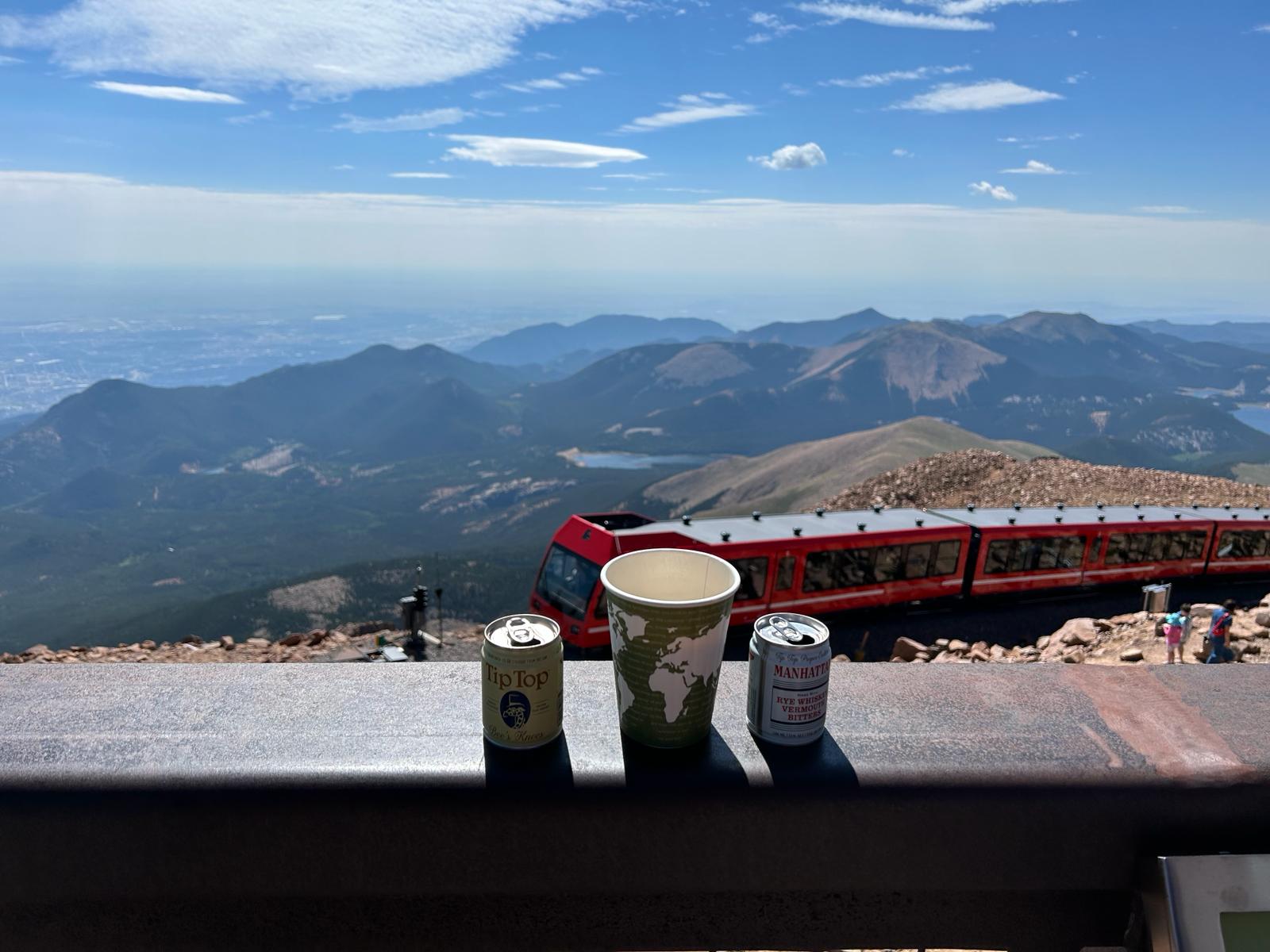

Hiking Pikes Peak: Routes, Preparation, and Safety
Rising to 14,115 feet above sea level, Pikes Peak is one of Colorado’s best-known mountains and a memorable challenge for experienced hikers. Reaching the summit on foot rewards the effort with expansive views across the Front Range and the plains beyond. But this is a serious high-altitude hike: long distances, steep climbing, fast-changing weather, and thinner air all require careful preparation.
Popular Hiking Routes
Barr Trail
The Barr Trail begins in Manitou Springs and climbs to the summit. It is roughly 13 miles one way, with more than 7,000 feet of elevation gain. Many hikers break up the ascent with an overnight stay at Barr Camp, but reservations and current rules should be checked before planning a trip. Hiking the trail to the summit and back in one day is an exceptionally demanding outing and is suitable only for well-prepared hikers.
The Crags Route
The Crags Trailhead, on the mountain’s west side, offers a shorter approach to the summit than Barr Trail. The hike is still strenuous, with substantial climbing and exposure to high-altitude conditions. Route mileage and elevation gain can vary depending on the trail segments used, so check an up-to-date map and local trail information before setting out.
When to Hike
Summer is generally the most popular season, but conditions can change quickly at any time of year. A warm, sunny morning can give way to cold temperatures, strong wind, rain, or thunderstorms. Snow and ice may remain on sections of the route outside the summer season. Start early, check the forecast, and be prepared to turn around if conditions deteriorate.
How to Prepare
- Build up gradually. Train with long hikes and elevation gain before attempting the summit.
- Allow time to acclimate. Spending time at higher elevations before the hike can help your body adjust, though it does not eliminate the risk of altitude illness.
- Carry enough food and water. Bring more than you expect to need, plus a way to treat or replenish water if your route and current conditions allow.
- Pack layers and rain protection. Include warm clothing, a wind-resistant outer layer, sun protection, and sturdy footwear.
- Bring navigation and emergency supplies. Use a reliable map or downloaded route, and carry a charged phone, first-aid items, and a headlamp.
- Check current conditions. Confirm trail access, closures, weather, and any applicable rules with official local sources before leaving.
Recognize the Risks of Altitude
At the summit, the air contains less available oxygen than at lower elevations. Headache, nausea, dizziness, unusual fatigue, and shortness of breath can be signs of altitude illness. If symptoms worsen, stop climbing and descend. Confusion, difficulty walking, or severe breathing problems require urgent help. Do not assume that fitness alone protects you from altitude-related illness.
Respect the Mountain
Stay on established trails, pack out all trash, and give wildlife plenty of space. Keep an eye on the time and leave yourself a safe margin for the return journey. The summit is not the only measure of a successful hike: turning back when weather, health, or timing calls for it is a sound decision.
With thoughtful planning and respect for the conditions, a Pikes Peak hike can be an unforgettable Colorado adventure. Choose a route that matches your experience, prepare for the elevation, and verify current information before heading out.
9 Essential Tips for Hiking Pikes Peak Safely
- Acclimate to the altitude before your hike.
- Start early to avoid afternoon storms.
- Check trail conditions and closures before leaving.
- Bring plenty of water and snacks.
- Wear sturdy boots and layered clothing.
- Pack rain gear, even on sunny days.
- Turn back if you feel dizzy or unwell.
- Plan how you’ll get down before you start.
- Leave no trace and stay on the trail.
Acclimate to the altitude before your hike.
Before hiking Pikes Peak, spend a day or two at a higher elevation to give your body time to adjust to the thinner air. Increase your activity gradually, drink water, and get plenty of rest. Acclimating can reduce the risk of altitude sickness, but it can’t prevent it entirely—watch for symptoms such as headache, nausea, dizziness, or unusual fatigue, and descend if you feel worse.
Start early to avoid afternoon storms.
Start your Pikes Peak hike early in the morning to give yourself more time on the trail and reduce the chance of being exposed to afternoon thunderstorms. Weather can change quickly at high elevations, and lightning is especially dangerous on open slopes and near the summit. Check the forecast before you go, keep an eye on changing conditions, and turn back if storms appear likely.
Check trail conditions and closures before leaving.
Before heading out for a Pikes Peak hike, check current trail conditions and closures through official local sources. Snow, ice, storms, maintenance, or other hazards can affect access and make a route unsafe, even when the weather looks clear nearby. Confirm that your chosen trail and trailhead are open, review any advisories, and be ready to change your plans if conditions have changed.
Bring plenty of water and snacks.
Bring plenty of water and snacks when hiking Pikes Peak. The steep climb, high elevation, and long hours on the trail can quickly drain your energy and leave you dehydrated. Carry more than you expect to need, and choose easy-to-eat, high-energy snacks such as trail mix, energy bars, or dried fruit. Plan your supplies around your route and the weather, and don’t rely on finding water along the way unless you’ve confirmed a safe, reliable source.
Wear sturdy boots and layered clothing.
Wear sturdy, broken-in hiking boots with good traction to help protect your feet and keep you steady on Pikes Peak’s uneven, rocky trails. Dress in layers so you can adjust to changing conditions: temperatures can shift quickly with elevation, and wind, rain, or cold may arrive even when the trailhead is sunny. Bring a moisture-wicking base layer, an insulating layer, and a wind- or waterproof outer shell, along with extra warm clothing for the summit.
Pack rain gear, even on sunny days.
Pack rain gear for a Pikes Peak hike, even when the morning skies look clear. Mountain weather can change quickly, and sudden rain, wind, or hail can leave you cold and exposed—especially at higher elevations. A lightweight waterproof jacket and rain pants take up little space but can make a big difference in comfort and safety.
Turn back if you feel dizzy or unwell.
If you feel dizzy, nauseated, unusually weak, or otherwise unwell while hiking Pikes Peak, stop and assess how you’re feeling. High altitude can affect hikers unexpectedly, and continuing upward may make symptoms worse. Turn back and descend with a companion if possible. If symptoms are severe or don’t improve, seek emergency help. Reaching the summit is never more important than getting down safely.
Plan how you’ll get down before you start.
Before you start your Pikes Peak hike, decide how you’ll get back down and make sure the plan is realistic for your route, fitness, and the time available. Hiking down can be tiring and may take longer than expected, especially on steep or rocky sections, so set a firm turnaround time and leave plenty of daylight. If you’re counting on a ride, shuttle, or other transportation from the summit, confirm availability and schedules in advance—and have a backup plan.
Leave no trace and stay on the trail.
When hiking Pikes Peak, help protect its fragile alpine environment by staying on marked trails and practicing Leave No Trace principles. Wandering off-trail can damage slow-growing plants and cause erosion, while litter can harm wildlife and spoil the landscape for others. Pack out everything you bring in, respect wildlife, and leave rocks, plants, and other natural features undisturbed.


