

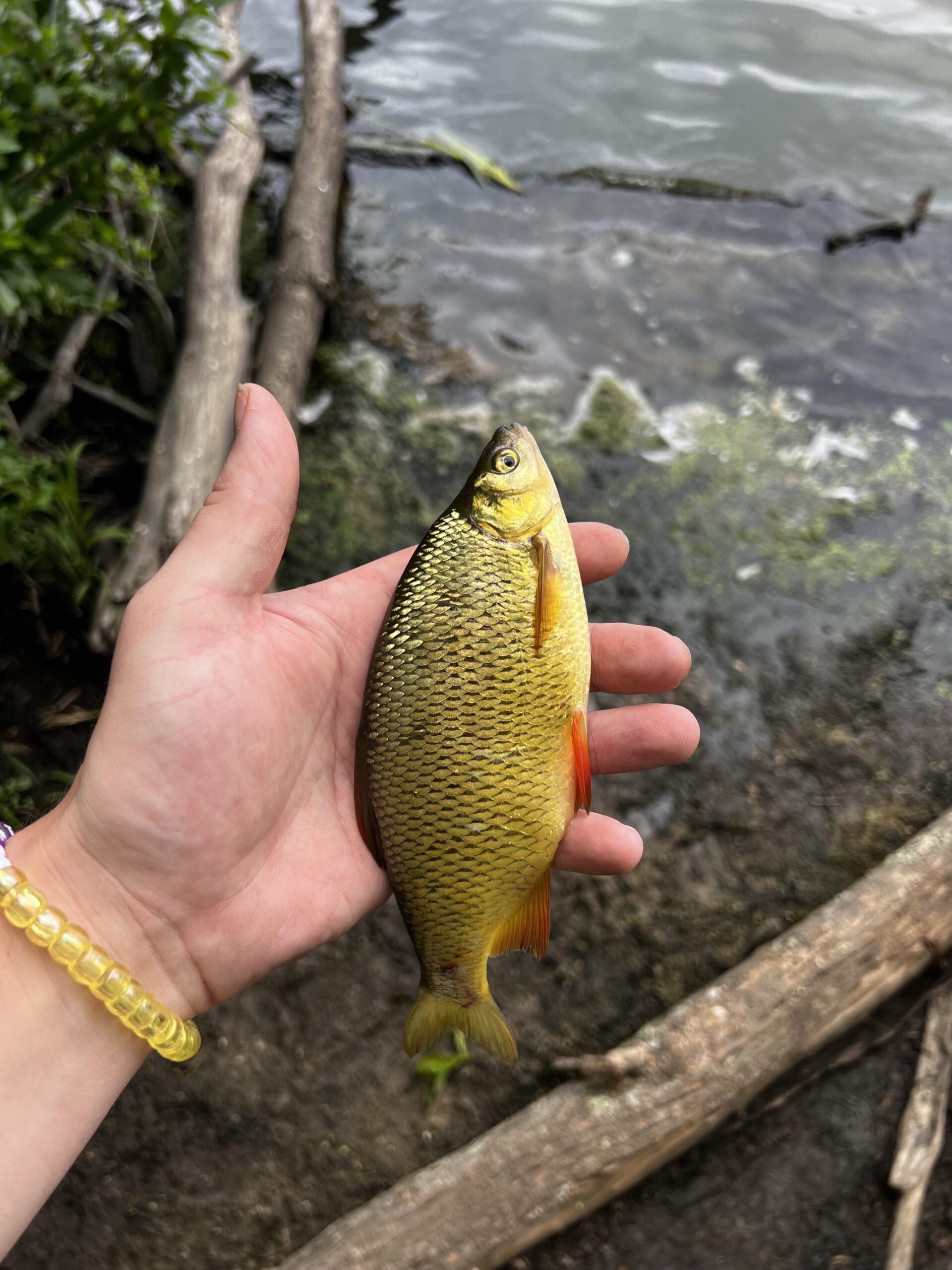

The Yellow Perch: A Popular Freshwater Fish
The yellow perch, scientifically known as Perca flavescens, is a species of freshwater fish that is highly sought after by anglers and appreciated by seafood enthusiasts. Native to North America, the yellow perch is widely distributed across lakes, rivers, and ponds in the United States and Canada.
Physical Characteristics
Yellow perch are easily recognizable by their vibrant yellow-green bodies with dark vertical stripes along their sides. They have a compressed body shape with a deeply forked tail fin. On average, yellow perch measure between 6 to 12 inches in length and weigh around half a pound, although larger specimens can reach up to 15 inches in length.
Habitat and Behavior
Yellow perch prefer clear, vegetated waters with moderate temperatures. They are often found near submerged vegetation or structures where they can seek shelter and ambush prey. Yellow perch are known for their schooling behavior, especially during the spawning season in spring when they gather in shallow waters to reproduce.
Diet and Feeding Habits
As opportunistic feeders, yellow perch have a varied diet that includes small fish, insects, crustaceans, and zooplankton. They use their sharp teeth to capture and consume prey items. Anglers commonly use live bait such as minnows or worms to attract yellow perch when fishing.
Recreational Fishing
Yellow perch are prized by recreational anglers for their delicious white flesh and mild flavor. They are popular targets for ice fishing during the winter months when they congregate in deeper waters. Fishing regulations help ensure sustainable harvest practices to maintain healthy yellow perch populations for future generations.
Culinary Uses
Yellow perch is considered a culinary delicacy due to its tender meat and subtle taste. It can be prepared in various ways, including pan-frying, grilling, baking, or even used in soups and stews. The flaky texture of yellow perch makes it a versatile ingredient that pairs well with different seasonings and sauces.
Conservation Status
While yellow perch populations remain stable in many regions, habitat degradation and overfishing pose threats to their sustainability. Conservation efforts focus on preserving water quality, protecting critical habitats, and implementing responsible fishing practices to ensure the continued abundance of this iconic freshwater fish.
8 Essential Tips for Catching and Enjoying Yellow Perch
- Yellow perch are freshwater fish commonly found in North America.
- They have distinctive yellow coloring with dark vertical stripes on their sides.
- Yellow perch prefer clear, cool waters with plenty of vegetation for cover.
- They are known for their delicious taste and are popular among anglers.
- Yellow perch primarily feed on small fish, insects, and crustaceans.
- Fishing for yellow perch is best during the spring and fall seasons.
- Use live bait such as minnows or worms when targeting yellow perch.
- Check local fishing regulations regarding catch limits and size restrictions for yellow perch.
Yellow perch are freshwater fish commonly found in North America.
Yellow perch, a species of freshwater fish prevalent in North America, are a familiar sight in lakes, rivers, and ponds across the region. Recognizable by their vibrant yellow-green bodies adorned with dark vertical stripes, yellow perch are highly sought after by anglers and seafood enthusiasts alike. Their presence in clear, vegetated waters and their schooling behavior during spawning season make them a popular target for recreational fishing activities. These iconic fish play a significant role in the aquatic ecosystems of North America and are valued for their delicious white flesh and mild flavor.
They have distinctive yellow coloring with dark vertical stripes on their sides.
Yellow perch are easily identifiable by their striking yellow coloring adorned with dark vertical stripes running along their sides. This unique coloration not only adds to their aesthetic appeal but also serves as a form of camouflage in their natural freshwater habitats. The combination of vibrant yellow and contrasting stripes makes the yellow perch a visually captivating species that stands out among other freshwater fish.
Yellow perch prefer clear, cool waters with plenty of vegetation for cover.
Yellow perch are known to thrive in clear, cool waters that provide ample vegetation for cover. These freshwater fish seek out habitats with vegetation where they can find shelter and ambush their prey. The presence of submerged plants and structures not only offers protection for yellow perch but also creates a suitable environment for them to feed and reproduce. By understanding the preferred habitat of yellow perch, anglers and conservationists can work together to ensure the preservation of these vital ecosystems for the benefit of this popular species.
They are known for their delicious taste and are popular among anglers.
Yellow perch are renowned for their delectable flavor, making them a highly sought-after catch among anglers. Their succulent and mild-tasting flesh has earned them a reputation as a prized freshwater fish for culinary enthusiasts. Anglers often target yellow perch not only for the thrill of the catch but also for the rewarding experience of savoring their delicious meat, whether pan-fried, grilled, or incorporated into various mouthwatering dishes.
Yellow perch primarily feed on small fish, insects, and crustaceans.
Yellow perch are known to have a diverse diet, consisting mainly of small fish, insects, and crustaceans. Their predatory nature allows them to hunt and consume a variety of prey items in their freshwater habitats. By targeting these sources of food, yellow perch play a vital role in the ecosystem as both predator and prey, contributing to the balance of aquatic life in lakes and rivers. Their feeding habits make them a popular target for anglers seeking to lure them with bait that mimics their natural diet.
Fishing for yellow perch is best during the spring and fall seasons.
Fishing for yellow perch is most productive during the spring and fall seasons when these freshwater fish are actively spawning or feeding. During the spring, yellow perch gather in shallow waters to reproduce, making them more accessible to anglers. In the fall, as temperatures cool down, yellow perch become more active in search of food to prepare for the upcoming winter months. Anglers often find success targeting yellow perch during these seasons by using bait and lures that mimic their natural prey and taking advantage of their increased activity levels.
Use live bait such as minnows or worms when targeting yellow perch.
When targeting yellow perch, it is recommended to use live bait such as minnows or worms. Yellow perch are known to be attracted to live bait due to their natural feeding behavior. By presenting minnows or worms as bait, anglers can increase their chances of enticing yellow perch to bite. The movement and scent of live bait can mimic the prey items that yellow perch typically feed on, making it a highly effective strategy for successful fishing outings targeting this popular freshwater fish species.
Check local fishing regulations regarding catch limits and size restrictions for yellow perch.
Before heading out to fish for yellow perch, it is essential to check local fishing regulations to ensure compliance with catch limits and size restrictions. These regulations are put in place to help maintain healthy fish populations and sustainable fisheries. By adhering to the rules set by local authorities, anglers can contribute to the conservation of yellow perch and enjoy responsible fishing practices. Be sure to familiarize yourself with the specific guidelines in your area to help protect this popular freshwater species for future generations.


