

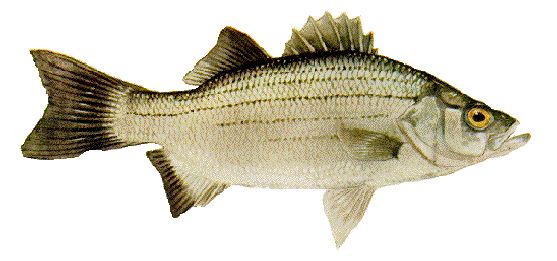

The White Bass: A Popular Freshwater Game Fish
White bass, scientifically known as Morone chrysops, is a species of freshwater fish that is highly sought after by anglers for its fighting spirit and delicious taste. Found in lakes and rivers across North America, the white bass is known for its silver-white body with dark stripes running horizontally along its sides.
Physical Characteristics
The white bass typically has a streamlined body with a deeply forked tail. It can grow up to 15-18 inches in length and weigh between 1-3 pounds on average. The coloration of the white bass varies depending on its habitat, but it generally has a silvery-white belly and sides with dark greenish-blue to grayish-blue backs.
Habitat and Behavior
White bass are schooling fish that prefer clear waters in lakes, reservoirs, and rivers with moderate current. They are known to migrate in schools during the spawning season, which usually occurs in the spring when water temperatures reach around 55-65°F. White bass feed on small fish, crustaceans, and insects.
Fishing Tips
Anglers targeting white bass often use a variety of techniques such as casting jigs, crankbaits, or live bait rigs. White bass are known for their aggressive feeding behavior, especially during early morning or late evening hours. When hooked, they put up a strong fight by making powerful runs and jumps.
Culinary Delight
White bass is prized for its mild and sweet flavor, making it a popular choice for culinary enthusiasts. It can be prepared in various ways including grilling, frying, baking, or even smoking. The firm texture of white bass makes it versatile for different cooking methods.
In conclusion, the white bass is not only a thrilling catch for anglers but also a delicious addition to any seafood dish. Its popularity among freshwater fishermen continues to grow due to its abundance in many waterways and its delectable taste.
Everything You Need to Know About White Bass: FAQs on Habitat, Size, Diet, Fishing Tips, and More
- 1. What is a white bass?
- 2. Where can white bass be found?
- 3. How big do white bass grow?
- 4. When is the white bass spawning season?
- 5. What do white bass eat?
- 6. What are common fishing techniques for catching white bass?
- 7. Is white bass meat tasty for cooking?
- 8. Are there any regulations or restrictions on catching white bass?
1. What is a white bass?
A white bass, scientifically known as Morone chrysops, is a species of freshwater fish that is highly sought after by anglers for its fighting spirit and delicious taste. Characterized by its silver-white body with dark horizontal stripes along its sides, the white bass is a popular game fish found in lakes and rivers across North America. With a streamlined body, deeply forked tail, and average length ranging from 15-18 inches, the white bass thrives in clear waters with moderate currents. Known for their schooling behavior and aggressive feeding habits, white bass migrate in schools during the spawning season in spring when water temperatures are optimal. Anglers often use various techniques to target white bass, appreciating both the thrill of the catch and the culinary delight of this versatile fish.
2. Where can white bass be found?
White bass can be found in a variety of freshwater habitats across North America, including lakes, reservoirs, and rivers. They prefer clear waters with moderate current where they can form schools and feed on small fish, crustaceans, and insects. During the spawning season in the spring when water temperatures are around 55-65°F, white bass often migrate in schools to shallow areas for reproduction. Anglers looking to catch white bass should target these habitats and focus on areas where the fish are likely to congregate, such as near submerged structures or along drop-offs.
3. How big do white bass grow?
White bass, a popular freshwater game fish, can grow up to 15-18 inches in length and weigh between 1-3 pounds on average. These fish are known for their streamlined bodies and silver-white coloration with dark horizontal stripes along their sides. Anglers often target white bass for their fighting spirit and delicious taste, making them a sought-after catch in lakes and rivers across North America.
4. When is the white bass spawning season?
During the white bass spawning season, which typically occurs in the spring when water temperatures reach around 55-65°F, these freshwater fish migrate in schools to suitable spawning grounds. The exact timing of the white bass spawning season can vary based on local conditions and water temperatures in different regions. Anglers often monitor water temperatures and observe fish behavior to determine the best time to target white bass during their spawning period. Understanding the timing of the white bass spawning season is crucial for conservation efforts and sustainable fishing practices to protect this popular game fish species.
5. What do white bass eat?
White bass are opportunistic feeders with a diverse diet that includes small fish, crustaceans, and insects. Their feeding habits vary depending on the season and availability of prey in their habitat. White bass are known to actively pursue schools of baitfish, such as shad and minnows, making them popular targets for anglers using artificial lures that mimic these prey items. During the spawning season in the spring, white bass may also feed on aquatic insects and larvae near the shorelines. Understanding the dietary preferences of white bass is essential for successful fishing strategies and conservation efforts to maintain healthy populations in freshwater ecosystems.
6. What are common fishing techniques for catching white bass?
When targeting white bass, anglers commonly employ a variety of fishing techniques to increase their chances of success. Popular methods include casting jigs, using crankbaits, or setting up live bait rigs. White bass are known for their aggressive feeding behavior, particularly during the early morning and late evening hours. Anglers often focus on areas with moderate current where white bass tend to school up. By experimenting with different lures and presentations, anglers can effectively entice white bass into striking and enjoy the thrill of reeling in these spirited freshwater game fish.
7. Is white bass meat tasty for cooking?
White bass meat is indeed tasty for cooking, prized for its mild and sweet flavor that appeals to seafood enthusiasts. Whether grilled, fried, baked, or smoked, white bass offers a delicious dining experience. Its firm texture makes it versatile for various cooking methods, allowing chefs and home cooks to experiment with different recipes to bring out the best flavors of this freshwater game fish. With its popularity among anglers and culinary enthusiasts alike, white bass meat is a delightful choice for those looking to enjoy a flavorful seafood meal.
8. Are there any regulations or restrictions on catching white bass?
When it comes to catching white bass, anglers should be aware of the regulations and restrictions that may apply. In many states, there are specific rules regarding the size limits, bag limits, and fishing seasons for white bass. Anglers are advised to check with local fishing authorities or visit the official fisheries website to stay informed about any regulations that are in place to ensure sustainable fishing practices and conservation of white bass populations. Following these guidelines not only helps protect the species but also contributes to the enjoyment of fishing for generations to come.


