

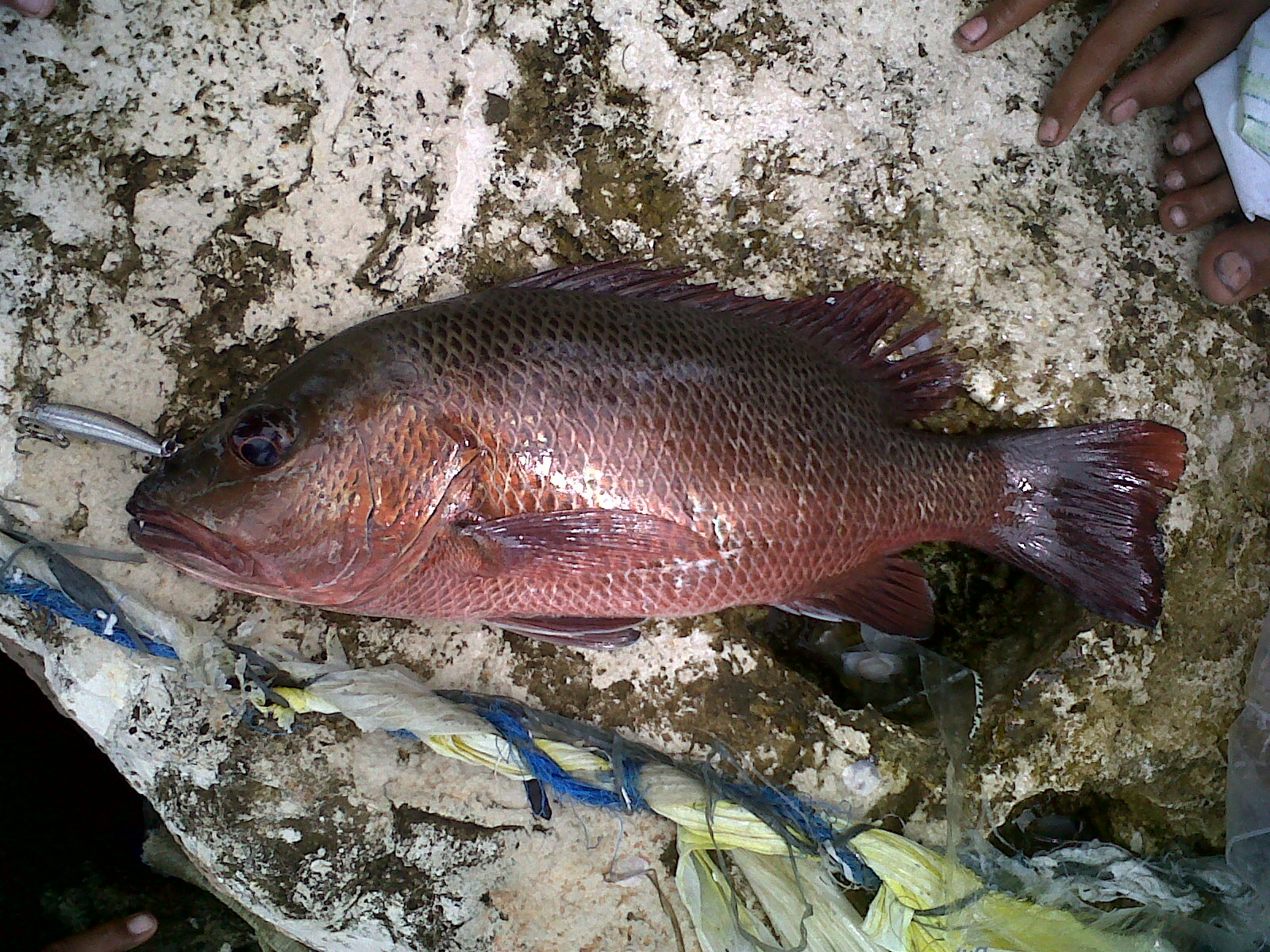

The Fascinating Mangrove Snapper
The mangrove snapper, scientifically known as Lutjanus griseus, is a popular saltwater fish species found in the western Atlantic Ocean from Massachusetts to Brazil. These sleek and colorful fish are highly prized by anglers for their fighting spirit and delicious taste.
Physical Characteristics
Mangrove snappers have a streamlined body with a sloping forehead and a pointed snout. They are typically reddish-brown in color with blue and yellow accents, especially around the eyes and fins. Their fins are often edged in black, giving them a striking appearance.
Habitat and Behavior
As their name suggests, mangrove snappers are commonly found in mangrove forests, estuaries, and shallow coastal waters with plenty of structure such as reefs, rocks, and sunken debris. They are opportunistic feeders, preying on small fish, crustaceans, and mollusks.
Fishing for Mangrove Snapper
Anglers target mangrove snapper using a variety of techniques including bait fishing with live or cut bait, jigging near structure, and casting artificial lures. These fish are known for their cunning nature and can provide a challenging but rewarding fishing experience.
Culinary Delight
Known for their firm texture and sweet flavor, mangrove snappers are considered excellent table fare. They can be grilled, fried, baked, or steamed to create delicious seafood dishes that showcase their delicate taste.
Conservation Status
While mangrove snappers are not currently listed as threatened or endangered species, conservation efforts are important to ensure sustainable fishing practices. By following catch limits and regulations, anglers can help protect the populations of these beautiful fish for future generations to enjoy.
6 Essential Tips for Successfully Catching Mangrove Snapper
- Mangrove snapper are typically found in shallow coastal waters near structures like mangroves, rocks, and reefs.
- They are known to be opportunistic feeders, consuming a variety of prey such as crustaceans, fish, and mollusks.
- Using live bait like shrimp or small fish can increase your chances of catching mangrove snapper.
- These fish are wary and can be easily spooked, so approach them quietly and use light tackle for a more successful catch.
- Mangrove snapper have sharp teeth, so using a fluorocarbon leader can help prevent break-offs when fishing for them.
- Remember to check local regulations regarding size limits and bag limits when targeting mangrove snapper to ensure sustainable fishing practices.
Mangrove snapper are typically found in shallow coastal waters near structures like mangroves, rocks, and reefs.
Mangrove snapper are commonly sighted in the shallow coastal waters of their habitat, often seeking refuge near structures such as mangroves, rocks, and reefs. These structures provide important shelter and feeding opportunities for the snapper, making them a key indicator species of healthy coastal ecosystems. Anglers looking to target mangrove snapper can increase their chances of success by focusing their fishing efforts around these structures where the fish are likely to congregate.
They are known to be opportunistic feeders, consuming a variety of prey such as crustaceans, fish, and mollusks.
Mangrove snappers are recognized for their opportunistic feeding habits, as they consume a diverse range of prey including crustaceans, fish, and mollusks. This versatile diet allows them to thrive in a variety of habitats, from mangrove forests to coastal waters, where they play a crucial role in maintaining the balance of marine ecosystems. Their ability to adapt their feeding behavior to different environments showcases the resourcefulness and resilience of these fascinating saltwater fish.
Using live bait like shrimp or small fish can increase your chances of catching mangrove snapper.
Using live bait such as shrimp or small fish can significantly enhance your success in catching mangrove snapper. These opportunistic feeders are naturally drawn to live prey, making them more likely to strike at a lively and enticing bait. By presenting live bait effectively near mangrove structures or other preferred habitats of the snapper, anglers can increase their chances of enticing these prized fish to bite and ultimately enjoy a rewarding fishing experience.
These fish are wary and can be easily spooked, so approach them quietly and use light tackle for a more successful catch.
When fishing for mangrove snapper, it is crucial to remember that these fish are wary and easily spooked. To increase your chances of a successful catch, approach them quietly and use light tackle. By employing stealth and finesse in your fishing technique, you can outsmart these cunning fish and enjoy a rewarding angling experience.
Mangrove snapper have sharp teeth, so using a fluorocarbon leader can help prevent break-offs when fishing for them.
When targeting mangrove snapper, it is essential to be aware of their sharp teeth. To prevent break-offs while fishing for these fish, using a fluorocarbon leader can be highly beneficial. The abrasion resistance and invisibility of fluorocarbon make it an excellent choice for handling the sharp-toothed mangrove snapper, increasing the chances of a successful catch without losing your gear.
Remember to check local regulations regarding size limits and bag limits when targeting mangrove snapper to ensure sustainable fishing practices.
When targeting mangrove snapper, it is crucial to remember to check local regulations regarding size limits and bag limits. By adhering to these guidelines, anglers can contribute to sustainable fishing practices and help maintain healthy populations of mangrove snapper in their natural habitat. Respecting these regulations not only ensures the conservation of this species but also promotes responsible fishing practices for the benefit of both current and future generations of anglers.


